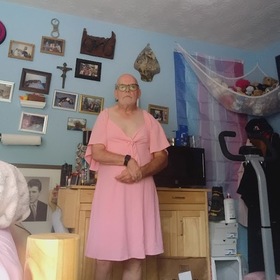
Dress
Skirt
Other and please name below what it would be
Select gender and age to cast your vote:
Please select your age

In many cultures and historical periods, men and boys wearing dress-like garments has been common, and modern perspectives increasingly emphasize individual choice and self-expression.
Historical and Cultural Context
History: Historically, boys in Western cultures often wore dresses until the age of 6 or 7, a practice known as "breeching" that lasted until the early 20th century.
Global Attire: Many cultures feature traditional male garments that are similar to dresses or skirts, such as the Scottish kilt, the Arab kaftan, the Indonesian sarong, and the Indian dhoti.
Symbolism: For some, choosing to wear a dress is a way to redefine masculinity or challenge traditional gender norms.
Modern Perspectives on Expression
Self-Esteem: Allowing boys to choose their own clothing, including dresses for play or daily wear, can build self-esteem and encourage creativity.
Fashion Trends: High-profile figures like Harry Styles and Billy Porter have popularized the idea of men in dresses as a legitimate fashion choice.
Personal Comfort: Some men and boys prefer dresses for their comfort and breathability, especially in warm weather.
Social Considerations
Norms: While some view clothing as a purely personal choice, others see it through the lens of social convention or religious principles regarding gender roles.
School and Community: Resources like Welcoming Schools offer guidance for creating environments that respect all children’s clothing choices. Foundation Worldview +4
Are you looking for information on gender-neutral fashion brands or perhaps historical examples of male attire in specific cultures?
The idea that men and boys can wear dresses is gaining traction as a form of self-expression, breaking traditional gender norms in fashion
. While historically and culturally, men in many societies wore robes or tunic-style garments, modern fashion increasingly embraces "unisex" styles. This trend focuses on comfort, creativity, and the idea that clothing has no inherent gender.
Key perspectives on this topic include:
Fashion and Self-Expression: Prominent figures like Harry Styles and Jaden Smith have embraced wearing dresses to challenge fashion norms.
Historical Context: Historically, young boys in the West wore dresses until the early 20th century.
Psychological and Social Aspects: Supporting boys who want to wear dresses can foster creativity and individuality. However, it may sometimes prompt discussions about gender identity or cause discomfort in others.
Gender-Neutral Clothing: Many designers are now creating, unisex, collections, aiming to make clothing choices about personal style rather than gender.
Dresses, skirts, pantyhose, make-up, bras, Spandex, tights, leotards, hair ribbons/bows, panties, the whole ball of wax.
Why would it be such a bad thing? Girls are constantly wearing men's clothes and NOBODY says a fucking word about it!!
You know who this is?
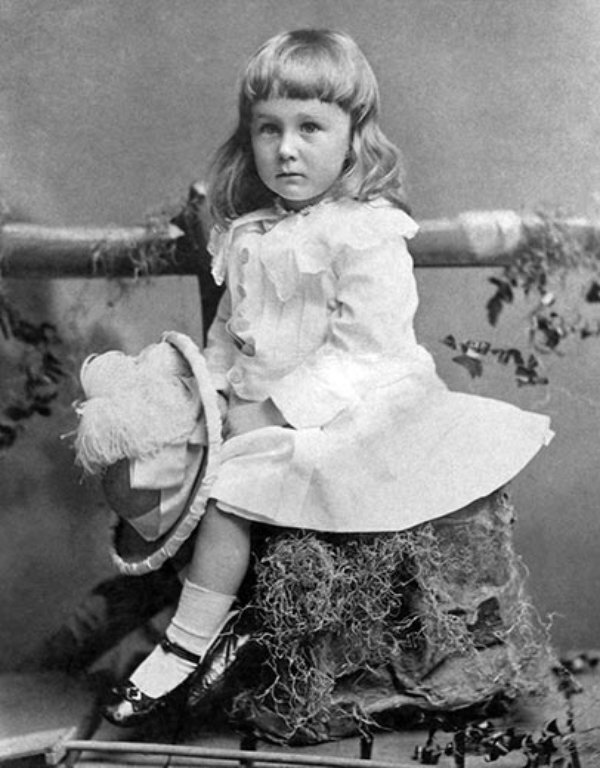
This was taken in 1884. This boy grew up to be Pres. FDR!!
If it was okay for boys to wear dresses and such back then (and I've seen other pictures of boys wearing dresses from that era), why is it wrong, now?

I often hear on this site from guys comments that panties seem to be a favorite new or worn found in the laundry basket.
I don’t know any guys that want to try women’s clothing unless they are keeping it a secret.
Guys are secretly curious about a few things, but the big one is probably yoga pants or leggings 😂 They look insanely comfy, stretchy, and easy to move in. Second place might be oversized cozy sweaters or hoodies, because they feel like a warm hug. Basically, anything soft, comfy, and “off-limits” feels extra tempting to try.
Opinion
0Opinion
You tell me.
You can also add your opinion below!