 Girl's Behavior
  Guy's Behavior
  Flirting
  Dating
  Relationships
  Fashion & Beauty
  Health & Fitness
  Marriage & Weddings
  Shopping & Gifts
  Technology & Internet
  Break Up & Divorce
  Education & Career
  Entertainment & Arts
  Family & Friends
  Food & Beverage
  Hobbies & Leisure
  Other
Other  Religion & Spirituality
  Society & Politics
  Sports
  Travel
  Trending & News

I’ve been following Turkey’s defense situation closely — it’s complicated. Turkey still operates about 250 aging F-16s (in service since 1987). It joined the F-35 program in 2002 and made an initial payment (about $1.25B). After failing to procure Patriot systems, Turkey purchased Russia’s S-400 for roughly $2.5B. That purchase led to CAATSA sanctions, Turkey’s removal from the F-35 program, and the withheld delivery of jets it had already paid for.
Turkey largely shelved the S-400s and turned to developing domestic air-defense systems and, in 2019, launched its own fighter program, KAAN. Combining the S-400 cost and the lost F-35 payments gives an immediate hit in the neighborhood of $3.8B (using the figures cited).
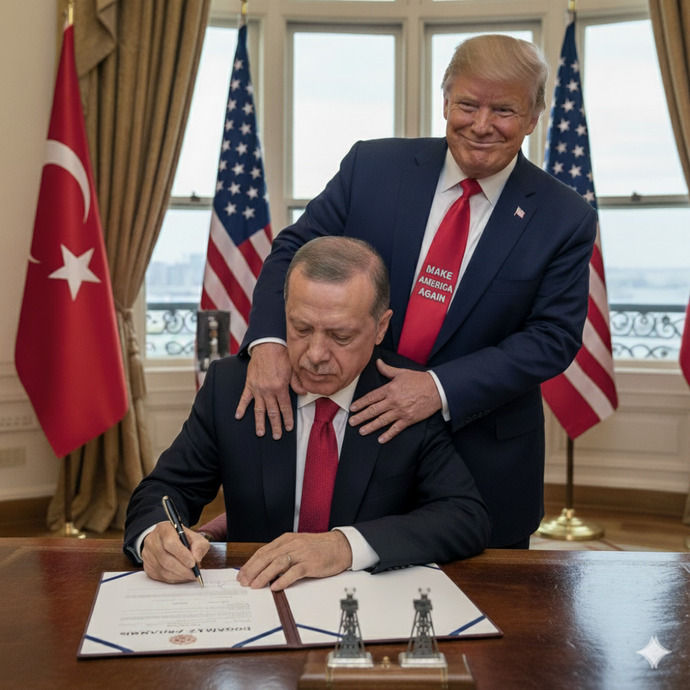
To reduce dependence on Russia, Turkey signed a $43B gas deal with the U. S. — reportedly pricier than Russian gas — which some hoped might reopen F-35 talks, but no deliveries or engine support materialized. As a stopgap before KAAN (targeted for 2028), Turkey agreed to buy 44 Eurofighter Typhoons from Europe for about $10B; the Typhoon lacks F-35-style stealth and even some Eurofighter partner nations operate F-35s themselves.
Now the U. S. is blocking engine exports for KAAN, arguing Turkey will need about 15 years to develop a domestic engine, so Turkey must seek alternatives. Despite being a NATO member, Turkey feels treated like an adversary rather than an ally — a perception that raises tough questions: what is the U. S. strategy here, and how much do other regional actors influence that policy?

















Most Helpful Opinions