 Girl's Behavior
  Guy's Behavior
  Flirting
  Dating
  Relationships
  Fashion & Beauty
  Health & Fitness
  Marriage & Weddings
  Shopping & Gifts
  Technology & Internet
  Break Up & Divorce
  Education & Career
  Entertainment & Arts
  Family & Friends
  Food & Beverage
  Hobbies & Leisure
  Other
Other  Religion & Spirituality
  Society & Politics
  Sports
  Travel
  Trending & News



If you have sensitive skin, you know it. It seems like every time you use a new product or a detergent or perfume, your skin has a very negative reaction. You break out, the skin is itchy, dry, and even painful. When you have sensitive skin, you do need to take some extra precautions in the care of your skin.
1. Do a patch test
Any time you are introducing a new product to your life, don't just rush in and slather it all over you. Do a patch test. Try the product on a specific patch of skin like the forearm or the side of your neck which are a bit thinner, if it's going to go on your face, or a small patch near where you intend to apply the product and wait about an hour. If the patch remains clear and you have no signs of breakouts or extreme redness or pain, then it's probably safe for use, but even so, only introduce one product at a time to your routine, so that you can easily identify an offender and remove it if you have a reaction.
2. Protect your skin against the elements
In dry cold weather sensitive skin is more likely to react to the environment usually by becoming really itchy. Protect your skin against the elements by covering them up in colder weather, and protecting them with sunscreens and moisturizers made for sensitive skin in warmer weather.
3. Know your triggers
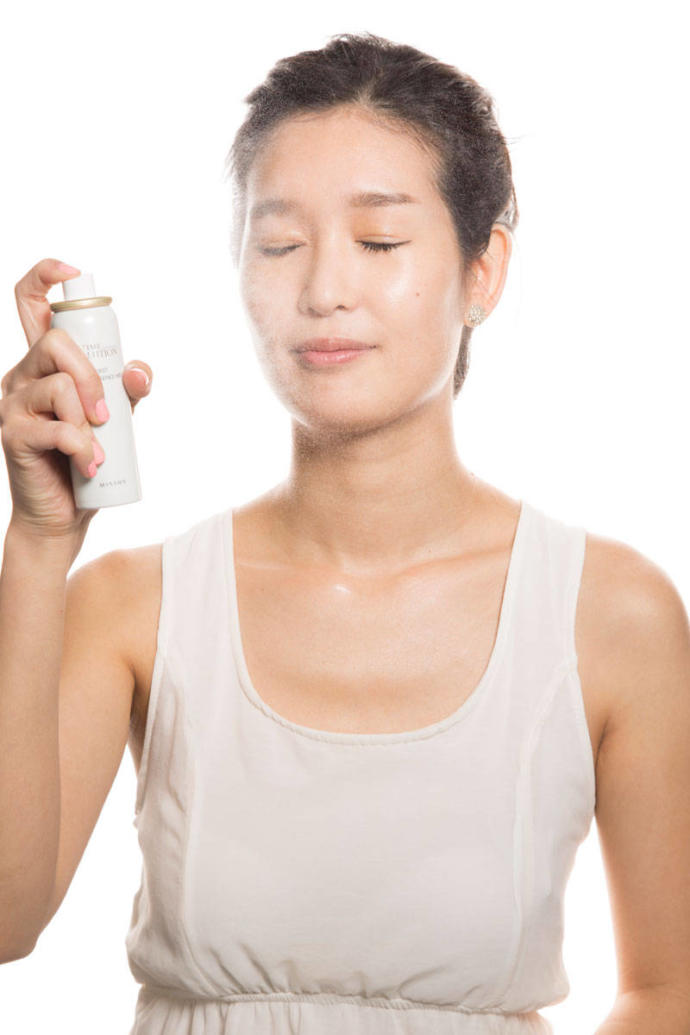
Products that tend to contain fragrance, alcohols, or acids in them tend to the ones which are troublesome for those with sensitive skin. Again, before use, do a patch test to make sure you aren't going to have a huge reaction to them.
4. Be sensitive to your sensitive skin

When you have reactions, breakouts, dry itchy skin, it may be your instinct to scrub at it, harshly exfoliate, scratch it, or touch it all the time, but these things can make your condition much worse. Be very gentle with your skin, treat it gently, and give it time to heal rather than pick, scratch, or scrub too hard.
5. Be aware of other culprits
It may seem like the products we use are the things that are responsible for negative skin reactions, but if you have started to experience new reactions to something and you haven't changed your normal moisturizing, bathing, make-up, skin care routine, look elsewhere. It may be the laundry detergent, a new set of clothes (which you should always wash before you wear), a new pillow, something you ate, or just about anything. Do systematic elimination. Take away one thing at a time and see if you see improvement, or seek out the help of a dermatologist who can do an allergy test to see which things you are truly allergic or sensitive to.
6. Develop a skin care routine for your specific sensitive skin
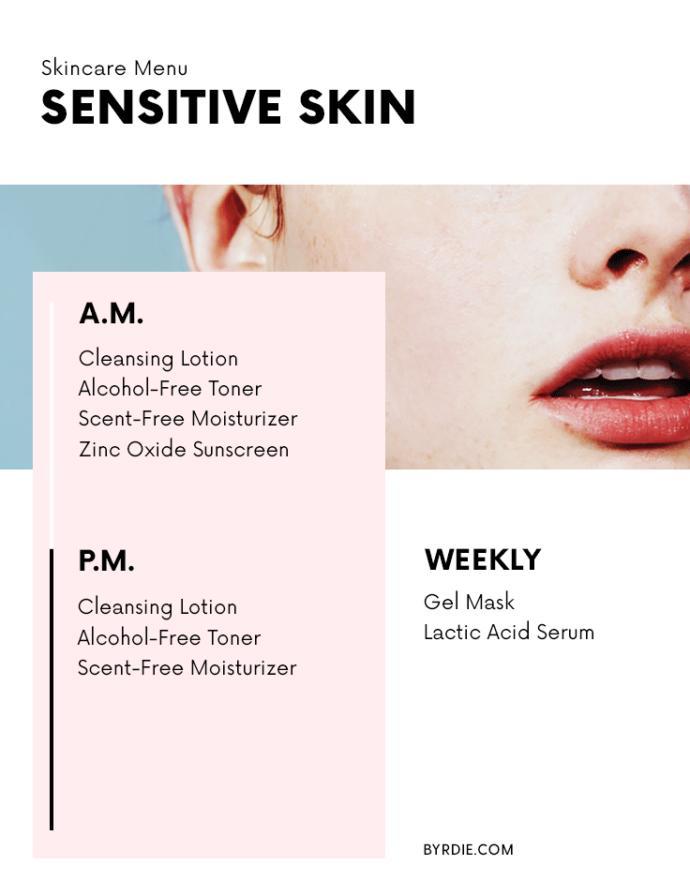
You may need to trial an error until you find something that works specifically for you because different people are more or less sensitive to different things.
















Most Helpful Opinions