 Girl's Behavior
  Guy's Behavior
  Flirting
  Dating
  Relationships
  Fashion & Beauty
  Health & Fitness
  Marriage & Weddings
  Shopping & Gifts
  Technology & Internet
  Break Up & Divorce
  Education & Career
  Entertainment & Arts
  Family & Friends
  Food & Beverage
  Hobbies & Leisure
  Other
Other  Religion & Spirituality
  Society & Politics
  Sports
  Travel
  Trending & News

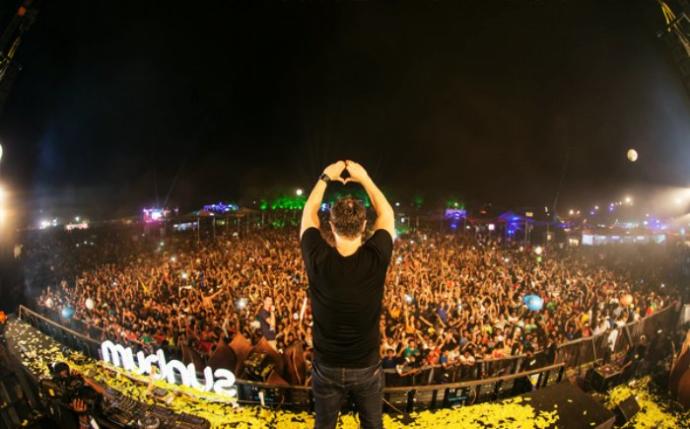
New Year!
is a subjective term,
subject to culture, religion, sciences and whims.
Here are all the (relevant) types of new years celebrated in this equally loved and equally hated country.
Hindu New Year
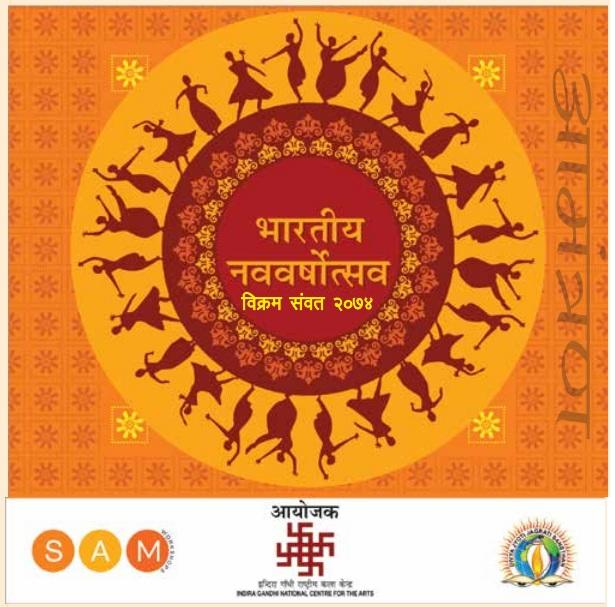
The ancient Hindu, unlike Gregorian calendar which adds additional days to lunar month to adjust for the mismatch between twelve lunar cycles and nearly 365 solar days, the Hindu calendar maintains the integrity of the lunar month, but insert an extra full month by complex rules, every few years, to ensure that the festivals and crop related rituals fall in the appropriate season.
The Indian national calendar or "Shākh calendar" was redesigned in 1952 based on the traditional Hindu calendars, and it was adopted on March 22, 1957.
So when is the new year?
Though all the sects of astrology accept both solar and lunar calendars, they differ in the calculation principle.
The next Hindu new year- year 2074- will be on 18th March '018.
Islamic New Year
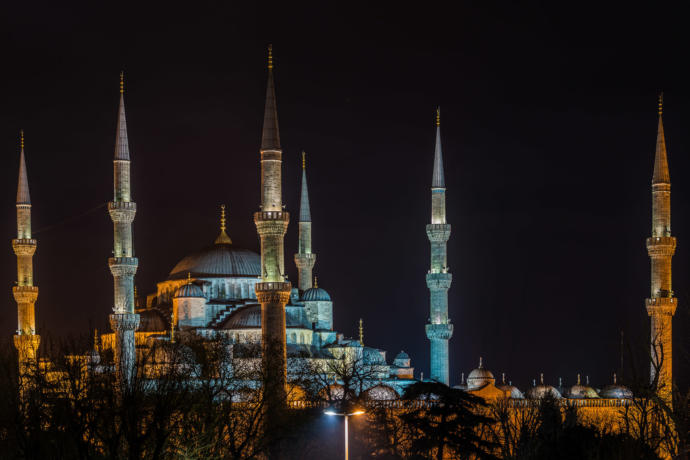
Shouldn't be a surprise as there are about 140M Muslims in India.
Islamic new year, after Muslim conquest of northern India, became the official new year and stayed untill the Mughal empire was finally finished.
It is still celebrated by the Muslim in India.
Jewish New Year
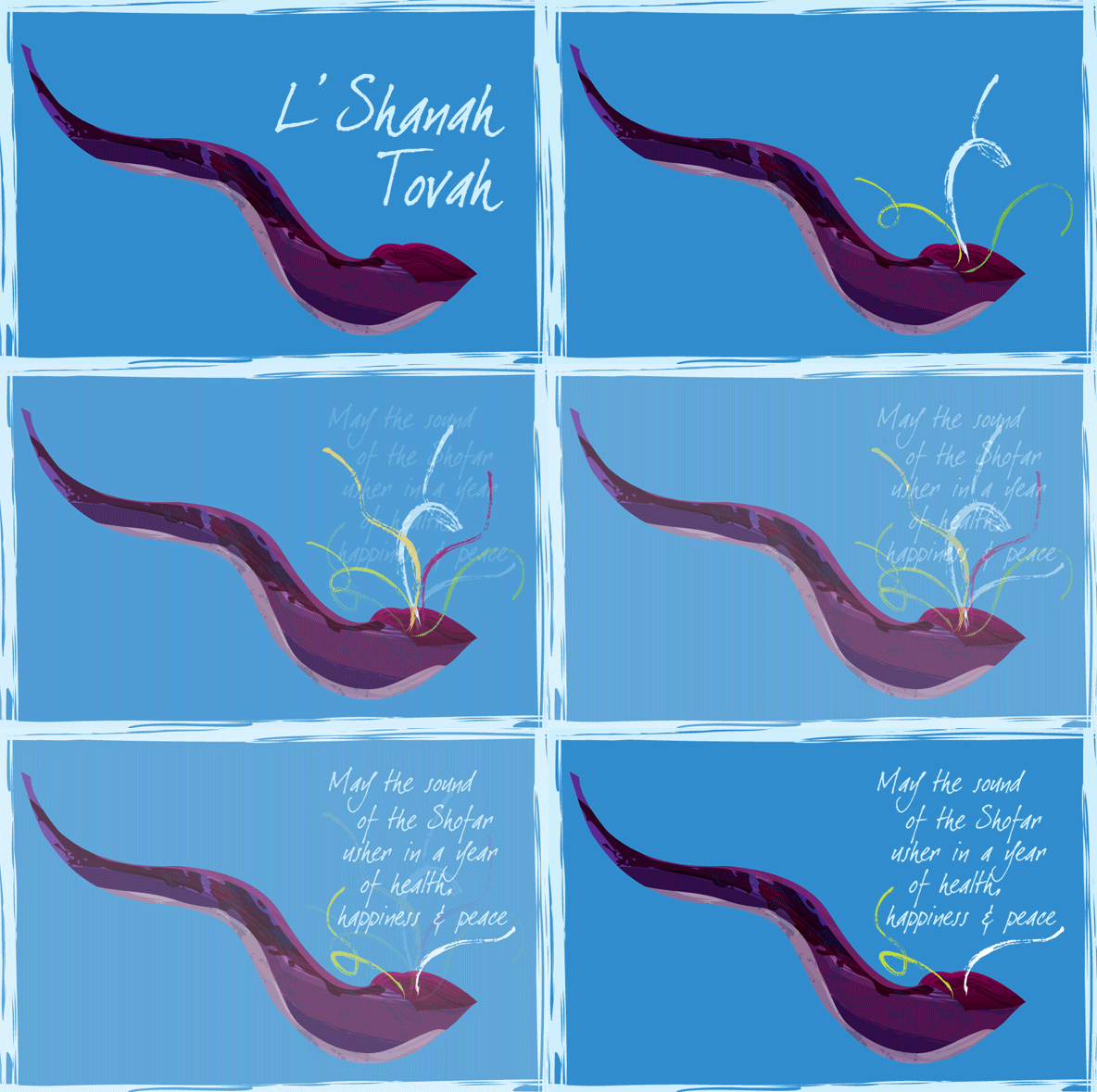
Rosh Hashanah, is observed by the Jews in India.
The Jewish population in India is hard to estimate, since each Jewish community is distinct with different origins; while some allegedly arrived during the time of the Kingdom of Judah, others are seen by some as descendants of Israel's Ten Lost Tribes.
Most of the Jews have migrated to Israel and very few are left, mostly in Mumbai, Kolkata and Kochi.
The next Roshan Hashanah is from sunset, September 09 –
nightfall, September 11 '018.
Parsi New Year
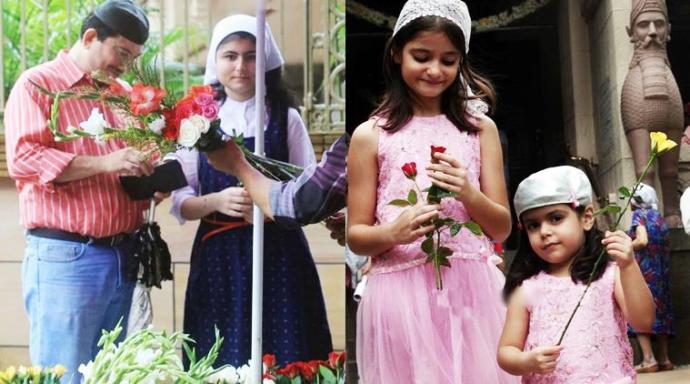
Nowruz, is observed by the Parsi Community of India.
After Arab invasion of Persia, in order to avoid forced conversion and to preserve their culture, many Zoroastrians sought refuge in India
The Qissa-i Sanjan is a tale of the journey of the Parsis to India from Iran.
It says they fled for reasons of religious freedom. Seeking refuge, the were allowed to form the settlement called 'Sanjan' by the local ruler Jadi Rānā. However, the Parsi community had to abide by three rules: they had to speak the local language, follow local marriage customs, and not carry any weapons. After showing the many similarities between their faith and local beliefs, the early community was granted a plot of land on which to build a fire temple.
There are about 56000 Parsi in India. However, due to very low birth rate the population is projected to fall to 26000, the point at which the Parsi will no longer be called a 'community'.
The next Nowroz is on 20th March '018.
Regional New Years
Other than the above mentioned, there are many regional new years in Hinduism, varying by region.
Vaisakhi, North and Central India.
Vestu Varas, Gujrat.
Gudì padwa, west India.
Navrātr, Jammu.
Navreh, Kashmir.
Chithirai vishu, Tamil Nadu.
Vishu, Kerela.
And many more.












What Girls & Guys Said
Opinion
1Opinion
cdn.shopify.com/.../thanks_large_large.jpg
Read our previous Takes.
Diwali 2017 in India ↗
Dhanteras Celebration in India ↗
Share the first opinion in your gender
and earn 1 more Xper point!