 Girl's Behavior
  Guy's Behavior
  Flirting
  Dating
  Relationships
  Fashion & Beauty
  Health & Fitness
  Marriage & Weddings
  Shopping & Gifts
  Technology & Internet
  Break Up & Divorce
  Education & Career
  Entertainment & Arts
  Family & Friends
  Food & Beverage
  Hobbies & Leisure
  Other
Other  Religion & Spirituality
  Society & Politics
  Sports
  Travel
  Trending & News


Human Trafficking involves the movement of men, women, and children for economic gain or sexual exploitation.
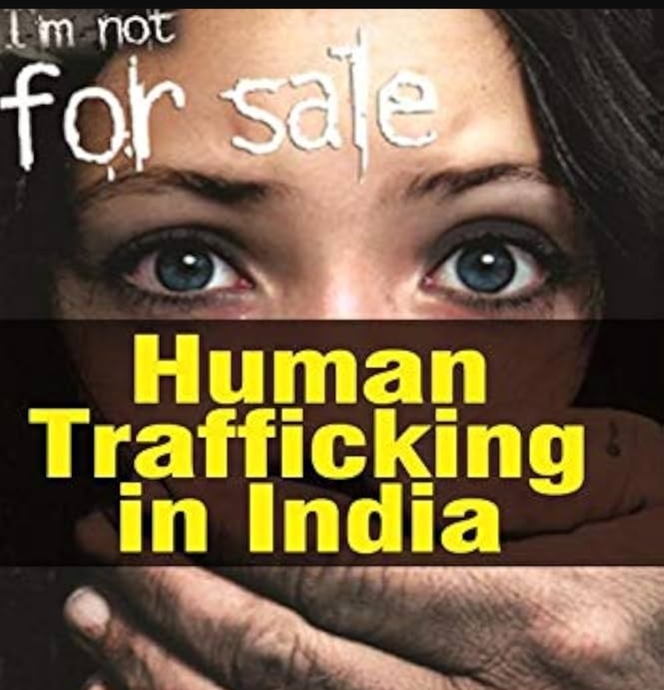
Victims are often seduced or kidnapped and given false promises of jobs and money.
In India, human trafficking is the second-largest form of organised crime. Although it is illegal, human trafficking remains a significant issue in India.
Welcome to India.
Land of colors, chaos, culture, curry, and conveniently cropped Instagram reels.
You will be told about spirituality, hospitality, ancient wisdom, and “Atithi Devo Bhava” (Guest is God).
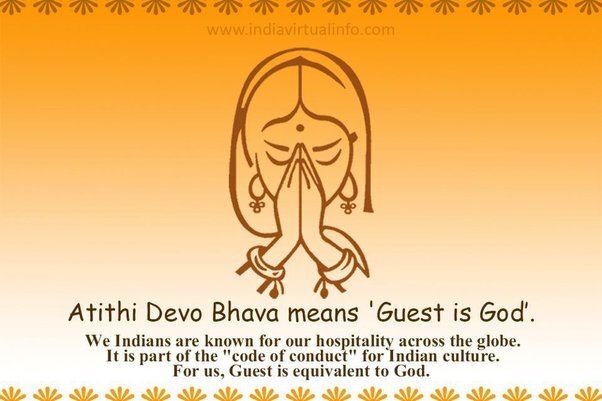
What you will not be told because it ruins the tourism brochure is that India is also one of the largest source, transit, and destination countries for human trafficking in the world.
Human trafficking in India is both massive and normalized.
Victims include women, men, and children. Exploitation takes many forms: forced labor, sexual exploitation, domestic servitude, child begging rings, forced marriages, and even organ trafficking. This is not hidden from society; it is quietly absorbed into it.
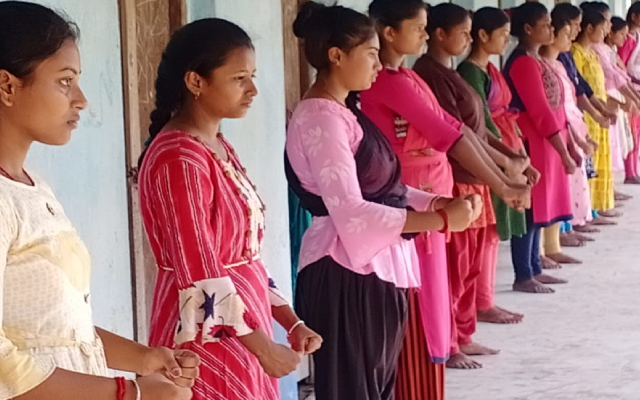
They break their spirits through physical, mental, and emotional abuse. They’ll keep them hidden away until their spirits are completely broken and they feel like there’s no recourse.
When questions are not asked, systems remain comfortable.
If you visit places like Goa, you will be sold an image of freedom, nightlife, and beaches.

What is rarely mentioned is that Goa has long been identified as a hotspot for sex trafficking, involving women and girls trafficked from impoverished Indian states and neighboring countries.
Escort services, massage parlors, and private apartments often operate as fronts. Many women appear willing because coercion today wears the mask of consent.
Choice is a luxury people don’t have when hunger negotiates on their behalf.
Thousands of children go missing every year, many ending up in forced labor, begging syndicates, or sexual exploitation.
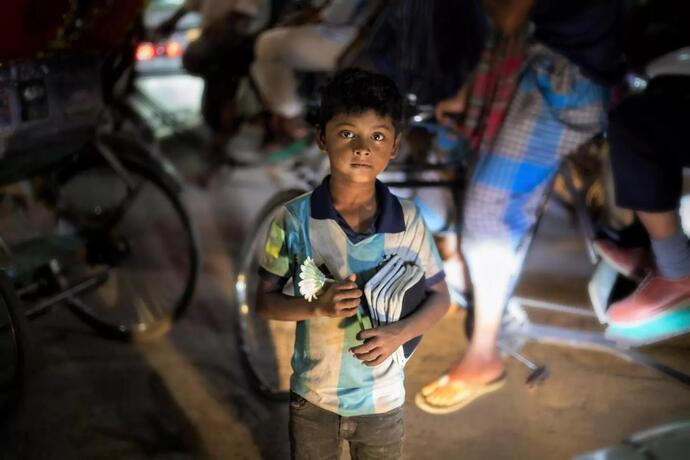
The children selling flowers at traffic lights or wiping windshields are rarely acting independently.
Rajasthan, admired for its palaces and handicrafts, has a darker underside.

Child labor in stone quarries, textile units, and handicraft production remains widespread despite legal prohibitions. Girls are trafficked into early and forced marriages under the guise of tradition.
When tourists admire handmade souvenirs without questioning their origin, exploitation hides behind craftsmanship. Culture becomes a convenient shield.
Consent without freedom is not consent. If a person cannot refuse without consequence, their agreement is meaningless.
Many trafficked women:
- Are minors
- Are debt-bonded
- Are threatened
- Are drugged
- Are controlled by pimps or “boyfriends”
- Have no access to exit or legal help
If a woman cannot say no, her yes is meaningless.
Now for the part usually softened with politeness, but politeness has failed. Yes, please enjoy India.
Enjoy its food, landscapes, and history. But understand that the smiles you encounter are not always choices.
The silence you notice is not peace. It is survival. India does not need more visitors who claim ignorance. Awareness is no longer optional.
Just basic responsibility:
1. Question Cheap Luxury
If it feels too cheap, someone is being exploited.
2. Avoid Sex Tourism
Yes, even the “consensual-looking” kind.
3. Don’t Encourage Child Labor
No buying from children. No photos. No tips.
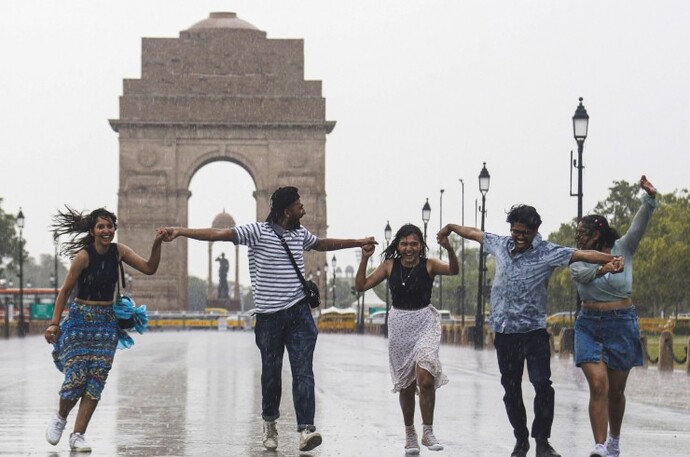
Your presence matters.
Your money matters.
Your choices matter.
So welcome to India.
Enjoy the beauty.
Just don’t pretend you didn’t see the cracks.
India is not evil. It is unequal. Trafficking here is not cultural. it is structural. It grows where poverty meets power and silence protects profit.
Thank you for reading














Most Helpful Opinions