 Girl's Behavior
  Guy's Behavior
  Flirting
  Dating
  Relationships
  Fashion & Beauty
  Health & Fitness
  Marriage & Weddings
  Shopping & Gifts
  Technology & Internet
  Break Up & Divorce
  Education & Career
  Entertainment & Arts
  Family & Friends
  Food & Beverage
  Hobbies & Leisure
  Other
Other  Religion & Spirituality
  Society & Politics
  Sports
  Travel
  Trending & News

In my personal life, I think there are two simple rules that I follow to eat a healthy diet. Let me explain.
Being Extremely Frugal
Extreme frugality has upsides and downsides. One upside is that you are consuming less resources than the typical person and are satisfied with whatever you have. The downside is that these frugal tricks aren't really that convenient.
Take grocery shopping, for example. The typical American would probably walk into one store and buy whatever s/he needs. A smart shopper would make a grocery list and stick to the list. A frugal shopper would browse the weekly ads and coupons of several grocery stores online, make a grocery list based on what's being promoted and at the cheapest price and what is needed around the house, and plan the trip accordingly to reduce transportation costs.
During meal prepping, a non-frugal person may only eat the florets of the broccoli instead of the stem or the pink, fleshy part of the watermelon instead of the rind, while the frugal person may eat anything that is edible and is actually food. This greatly reduces the amount of waste by maximizing the use of the product.
The downside to frugality is that it isn't really that convenient. Buying prepared foods may be convenient, but because someone has to prepare the food, the prices of prepared foods tend to be higher than unprepared foods. When the food is prepared, it must sit on the shelf. To extend the shelf life, food additives must be added. Great for the shelf life of the product, bad for your health. Unprepared foods, like butternut squash or cucumber, just require some preparation time.
So, I think the easiest way to eat healthy is to cut back on your spending on food and only buy unprepared/unprocessed food -- rice, flour, sugar, salt, oil, fruits, vegetables, and non-processed animal products. The small amount of food products that you buy and consume, I believe, will greatly impact your weight and standard of living. That said, I believe that the only people who can afford to be obese are people who are affluent and thus have a greater purchasing power than the rest of the population. The wealthy should also be able to afford the healthcare costs associated with obesity, whereas the poor may not even have health insurance.
During the Middle Ages, the diets of the upper class and lower class actually make sense. The wealthy class could afford meats, sweets, and spices, and the lower class could afford local fruits and vegetables, whole grains (because refined grains were for the rich), dairy products, and sometimes meats. Apparently, the peasant class diet was more balanced and healthier than the upper class.
Not Recognizing Junk Food as Food
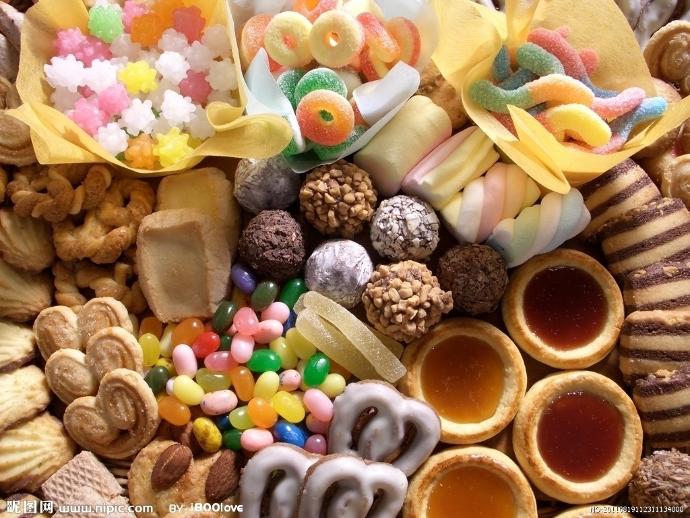
Junk food like sweet treats and fatty foods is being marketed as food products, often with misleading labels about the nutrition. So, people assume that these products are "food" and buy them. If people stop recognizing junk food as food or stop their appetite for these dangerously addictive substances, then they would be more compelled to buy produce and animal products.
Also, culture may play an important role in the identification of these products as "food". During big holidays, candy is freely given out on Halloween, and sweet pastries are typically eaten for breakfast. If fruits are given out on Halloween and savory porridges are eaten for breakfast, then that may change the food culture.


















Most Helpful Opinions