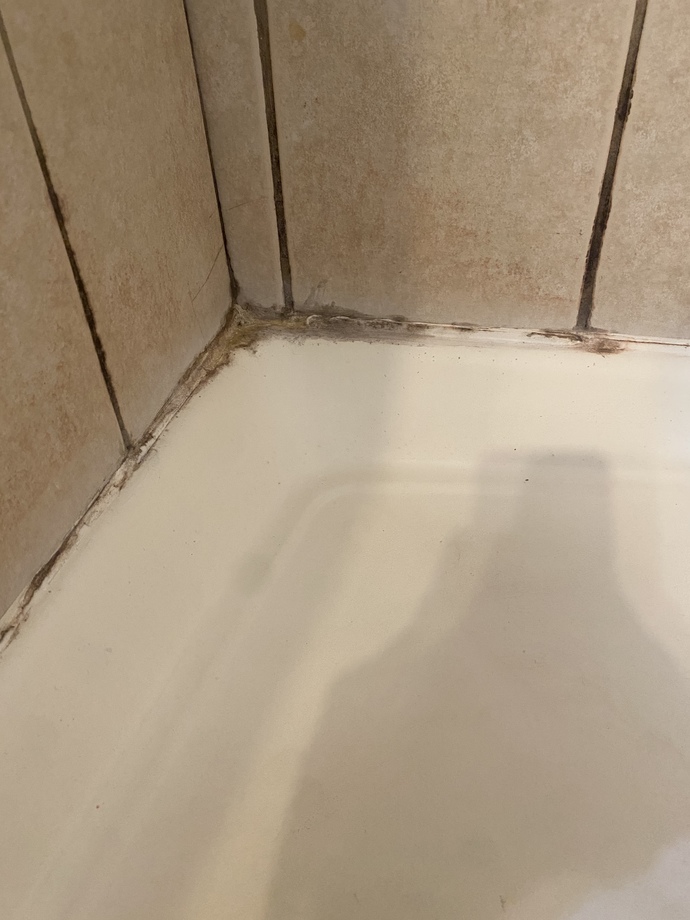
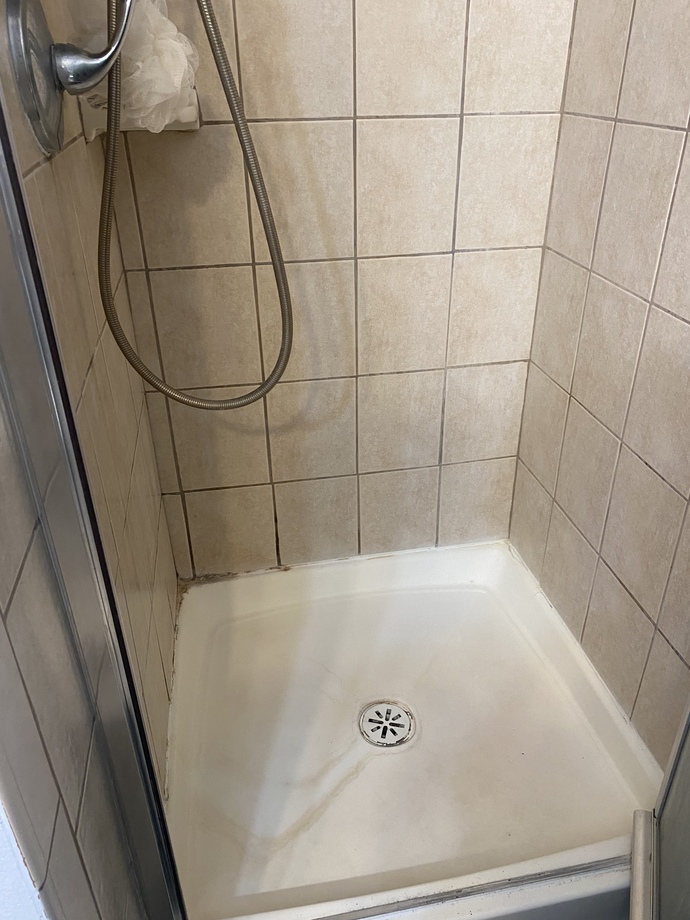
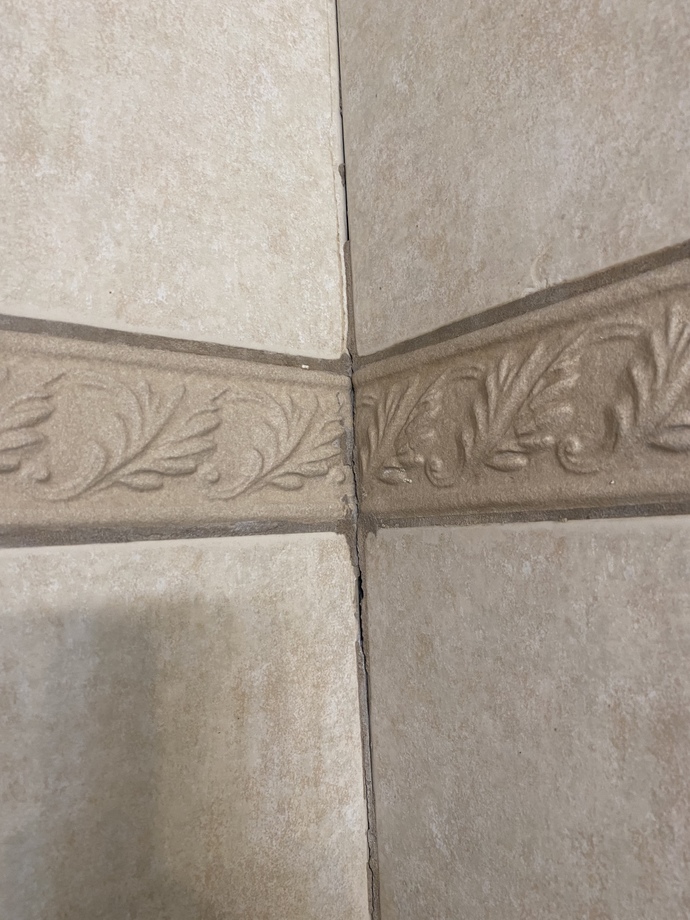


How do I cover these cracks and why there’s brown mold on the sides of the floor?

Girl's Behavior
Guy's Behavior
Flirting
Dating
Relationships
Fashion & Beauty
Health & Fitness
Marriage & Weddings
Shopping & Gifts
Technology & Internet
Break Up & Divorce
Education & Career
Entertainment & Arts
Family & Friends
Food & Beverage
Hobbies & Leisure
Other
Religion & Spirituality
Society & Politics
Sports
Travel
Trending & News 


How do I cover these cracks and why there’s brown mold on the sides of the floor?
So, you've got tile with grout (that's the mortar-like stuff that's in between the tiles), and the grout is ancient and also cracked because the house has settled. Further, you have to actually CLEAN a shower on a regular basis to prevent mold from growing.
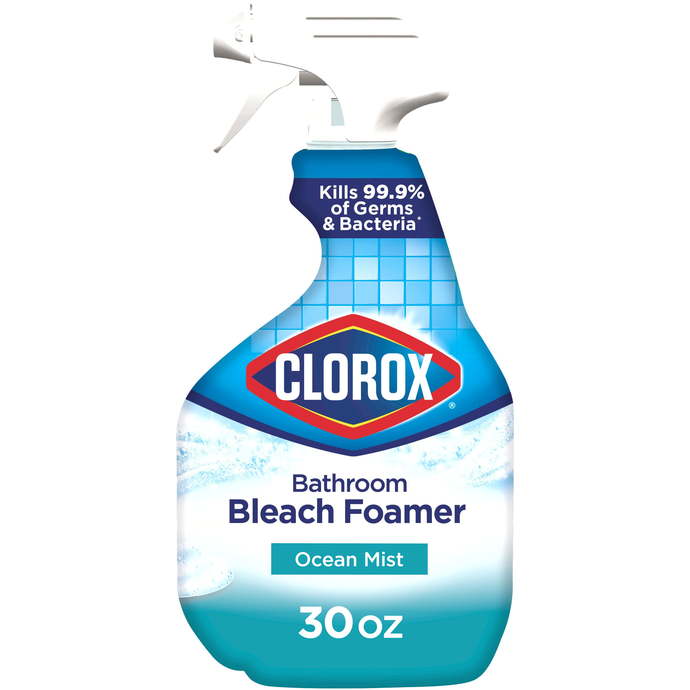
Start by cleaning. Get yourself a bottle of Clorox Shower Foam with Bleach, and clean the shower with it. You'll need some scrub brushes and some sponges so you can get into the cracks, and get everything clean. Wear kitchen gloves and old clothes, because you'll be working with bleach that can bleach any clothes you get it on.
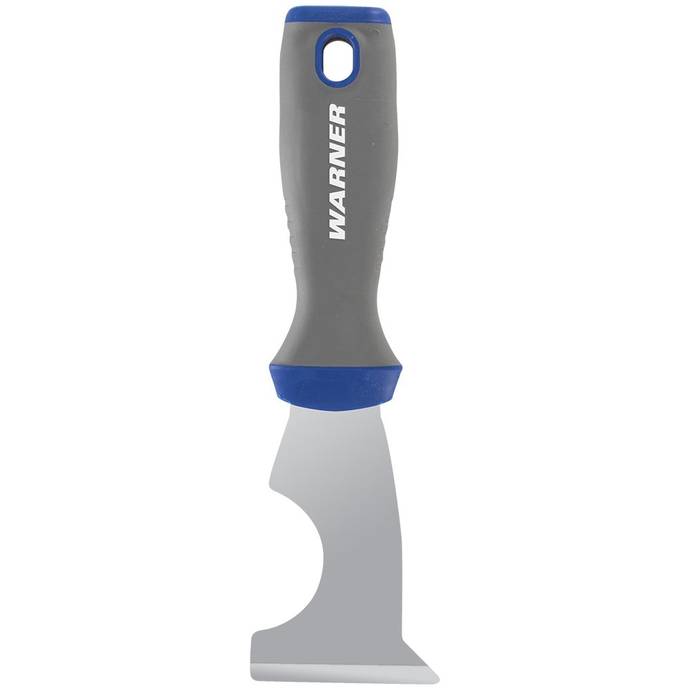
Once all of the mold is gone, you'll want to get a scraper and scrape away any old caulking (the sealant that's SUPPOSED to be in all of the corner seams - where the tiled walls meet, and where the tile meets the base of the shower.
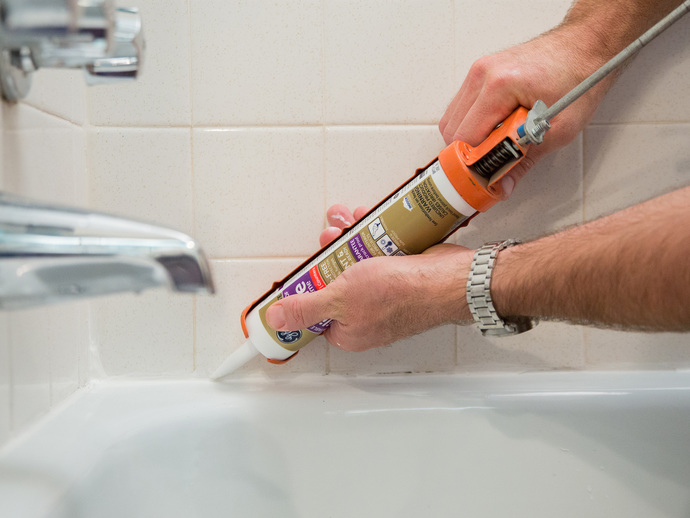
Finally, you'll need some white bathroom caulk and a cheap caulking gun. You need to run a bead of fresh new caulk in all of those seams - where the walls meet and where the tile meets the shower pan or tub.
Here's a video that will walk you through the process:
https://www.youtube.com/embed/2atcFawue3U The grout in those corner seams is disintegrating, which means it's OLD. If this is a rental, then the landlord needs to address it, but if this is your house, then you can re-grout the tile (it's not super easy - you have to remove the old grout out of the corner, and matching the old grout color is probably impossible, since the old stuff is faded and won't match anything new), OR you can use the silicone caulk in the corners. That doesn't look as pretty, but it will stop the leaks, protects the walls, and will stop the bugs.


And, yeah, when mold is left alone, it will get into the old caulk, and until you remove it and replace it, it will never get clean. Once you re-do it, if you use the cleaner with bleach on a regular basis, it will be a decade before you have to re-do it again.
Make sure you ALWAYS either open the window or turn on the exhaust fan when you shower, and try to keep both the bathroom door open and the shower door or curtain open at least a bit after you're done, so that the water and steam evaporates quickly. Mold happens because water is allowed to set around, so air-flow will help prevent mold. A little bit of prevention saves a lot of work and prevents a lot of long-term damage.
Moist places attract bugs, and wall cracks allow bugs to get in and out of the insides of the walls - and then travel around the house potentially, but also to nest - so you want those sealed. The moisture also causes the studs inside the walls to rot, so you need to keep those walls sealed to keep the moisture out. For the last 20 or so years, shower walls have had to have a backing board made out of concrete (for moisture resistance), but older showers used "green board" - a water-resistant kind of sheetrock - and even older homes used regular sheetrock or even old lathe & plaster walls. The older the wall is, the less well it resists the effects of moisture (they've upgraded the building codes to force better and better materials over time), so it's especially important to maintain the seal on your shower walls with older homes - but, really, with all homes.
Luckily, re-caulking the bathroom isn't technically difficult or especially expensive - expect to spend $30-40 in tools and supplies - so it's definitely something you can do yourself and not have to hire a handyman for.
If you are renting, I would talk to your landlord first. While it's your job to keep things clean, it's their job to do that kind of maintenance, and clearly it's been a long time since anyone has addressed those cracks.
Yes, the bleach foam will get rid of the mold, unless it's in the old caulk. I would clean first and then contact the landlord and send him pics after you've cleaned, and ask to have the shower re-grouted or caulked. That kind of basic maintenance is part of your rent, and is in nearly all cases the responsibility of the landlord.
Could be any number of things but, it's usually water
Opinion
1Opinion
Humidity from hot water.
You can also add your opinion below!

Most Helpful Opinions