 Girl's Behavior
  Guy's Behavior
  Flirting
  Dating
  Relationships
  Fashion & Beauty
  Health & Fitness
  Marriage & Weddings
  Shopping & Gifts
  Technology & Internet
  Break Up & Divorce
  Education & Career
  Entertainment & Arts
  Family & Friends
  Food & Beverage
  Hobbies & Leisure
  Other
Other  Religion & Spirituality
  Society & Politics
  Sports
  Travel
  Trending & News




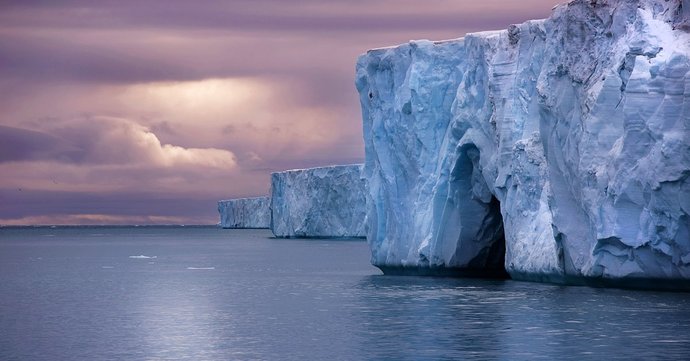
The Arctic is characterized by cold winters and cool summers. Its precipitation mostly comes in the form of snow and is low, with most of the area receiving less than 50 cm (20 in). High winds often stir up snow, creating the illusion of continuous snowfall. Average winter temperatures can go as low as −40 °C (−40 °F), and the coldest recorded temperature is approximately −68 °C (−90 °F). Coastal Arctic climates are moderated by oceanic influences, having generally warmer temperatures and heavier snowfalls than the colder and drier interior areas. The Arctic is affected by current global warming, leading to Arctic sea ice shrinkage, diminished ice in the Greenland ice sheet, and Arctic methane release as the permafrost thaws. The melting of Greenland's ice sheet is linked to polar amplification.



































Most Helpful Opinions