 Girl's Behavior
  Guy's Behavior
  Flirting
  Dating
  Relationships
  Fashion & Beauty
  Health & Fitness
  Marriage & Weddings
  Shopping & Gifts
  Technology & Internet
  Break Up & Divorce
  Education & Career
  Entertainment & Arts
  Family & Friends
  Food & Beverage
  Hobbies & Leisure
  Other
Other  Religion & Spirituality
  Society & Politics
  Sports
  Travel
  Trending & News

Of Beggars and Liars [Part II]: Welfare and the Cycle of Poverty: Should we have a welfare state?
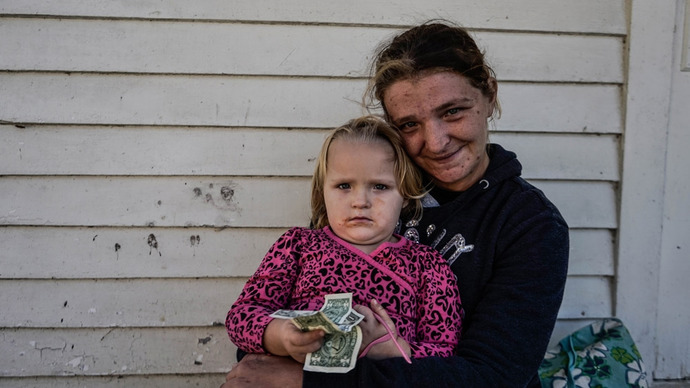
What is welfare? Virtually everyone reading this will already have an idea what welfare programs are. It is usually coupled with the term "social security", they're a type of support government programs that aim to provide people with a basic level of comfort. Often, they're taxpayer-funded services such as cheap (or free) healthcare, housing, and so on. Some of the programs the United States has are Medicaid, Supplemental Security Income (SSI), Supplemental Nutrition Assistance Program (SNAP)/ food stamp, and so on.
The history of Welfare in the US
mother's pension programs existed in nearly every state by the 1930s. When the depression began, states and local governments attempted to work with private charities to provide for millions of elders, disabled, and single mothers with children. In the second new deal, President Franklin D. Roosevelt implemented the first universal retirement pension permanently, the first unemployment benefits and general welfare benefits for the disable and single mother homes.
Who Qualifies for Welfare, how to apply
https://www.usa.gov/benefits Is a great place to go for links and general information here. https://www.benefits.gov/benefit-finder is also a quick quiz you can fill out to see if you qualify for any benefits. However, if your situation is more immediate and dire, it will depend on more local governments such as the state you're in. Likely not necessary if you're browsing G@G but just in case it's ever of use for you.
Arguments made in favor of having welfare
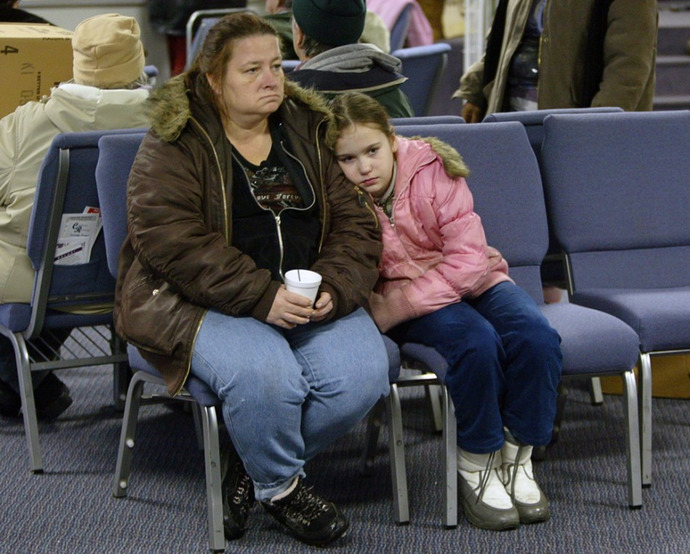
Although certainly I'll miss some stuff (for both sides), many of the arguments I've found in favor have been on the morality of welfare and caring as a society for the individuals who need it. richmondfed.org wrote, "Poverty has negative consequences that are both long lasting and far reaching. There is good evidence of long-lasting harm to people — especially children — when they undergo even short, temporary stints in poverty." The life-long wellbeing of a person is often affected by their childhood development, which means poorer health outcomes for children who grew up in poor families and neighborhoods. This is already apparent by age six for many of these children. One of the many factors that affect these development outcomes is the socioeconomic status of the parents. Poorer neighborhoods suffer from higher infant morality and the children often are overweight/obese, suffer more injuries, and have "poorer social relationships, lower academic achievement and reduced physical functioning."
Arguments made against the welfare state
One of the most prevailing concerns I've seen against the welfare state is that it fails to help the people who need it and incentivizes a continuous use of the system instead. As stated by the Baiscincome.org, by 2018, less than a quarter of poor families received benefits which is partly due to five-year lifetime limits and stricter requirements to receive the benefits. During the same timeframe, poverty has been on the rise and so has foster care placements. The article also makes mention of the “cliff effect” of welfare, where recipients will deny a opportunity to make more money (via a raise or a job) because they more with the benefits and don't want to lose that. Since welfare programs such as healthcare are what the state governments usually spend the most on, it'd be a misusage of funds.
Another argument against welfare similar to this is that certain communities get on the programs more often than others, which has causes more harm. One of the people who has mentioned this has been Thomas Sowell that has criticized welfare spending and it's effects on the African American community.
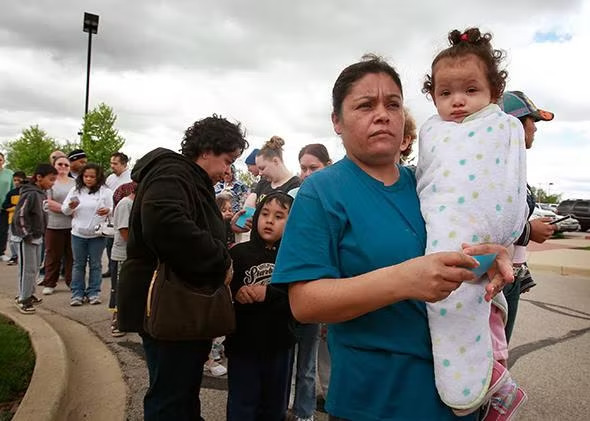
Some demographic statistics about welfare: At least 13 million people in the US live in poverty don't receive benefits. According to the Census this year, among rental households below the official poverty threshold, 61.4% included at least one person getting SNAP and 19.2% included at least one person getting Social Security benefits in 2016.The child poverty rate in the USA was 16% last year.
Articles used:
https://www.investopedia.com/terms/w/welfare.asp ,
https://en.wikipedia.org/wiki/Social_programs_in_the_United_States#Federal_welfare_programs
https://www.richmondfed.org/publications/research/economic_brief/2021/eb_21-15
https://www.ncbi.nlm.nih.gov/pmc/articles/PMC2528796/
https://basicincome.org/news/2018/06/why-welfare-doesnt-work-and-what-we-should-do-instead/
https://fee.org/articles/12-reasons-to-oppose-the-welfare-state/




























Most Helpful Opinions