 Girl's Behavior
  Guy's Behavior
  Flirting
  Dating
  Relationships
  Fashion & Beauty
  Health & Fitness
  Marriage & Weddings
  Shopping & Gifts
  Technology & Internet
  Break Up & Divorce
  Education & Career
  Entertainment & Arts
  Family & Friends
  Food & Beverage
  Hobbies & Leisure
  Other
Other  Religion & Spirituality
  Society & Politics
  Sports
  Travel
  Trending & News


Thanks to advertisements on TV, on the radio, in the newspaper, on the Internet, on billboards, on bulletin boards, and everywhere, people are exposed to so many advertisements every day. In Super Size Me (2004), Morgan Spurlock says that young children can easily recognize the happy clown face at MacDonald's. In Fast Food Nation written by Eric Schlosser, Schlosser mentions the "cradle-to-grave" approach to marketing.
Basically, fast food companies would intentionally make their products more attractive to young children, providing food with toys and adding kid-friendly playgrounds, and hope that they will gain loyal customers for life. Spurlock probably recognizes the cradle-to-grave marketing strategy and expands it by saying that the marketing strategy will get people addicted to the products at a young age, trapping them and making them realize that they can only seek pleasure through the food products. This is the same way that tobacco companies used to market cigarettes to children; they simply made toy cigarettes. The psychological conditioning is setting up the children for addiction.
Outside of the fast food, sugar, and tobacco industries, businesses are trying to sell weight loss programs, fad diets, products that supposedly burn fat without a change in diet or exercise, beauty products, and toys. The advertisements are creating a toxic environment for children. Fast food is fattening and crippling. Tobacco and sugar are highly addictive. Weight loss programs are short-term and emphasize too much on aesthetics instead of real healthy living. Fad diets make people lose weight quickly, while facing unintended consequences (loose skin, loss of nutrients, loss of water, loss of lean weight and muscle). Some products inhibit the absorption of lipids.
The inhibition of the absorption of lipids as a treatment to obesity can also inhibit the absorption of fat-soluble vitamins. Not only that, the body can generate fat cells using excessive amounts of carbohydrates or proteins. A hypothetical product that inhibits the absorption of lipids, carbohydrates, and proteins would likely be dangerous to the obese person, because then the obese person will starve to death. In Miss Representation (2011), women are expected to have the perfect body. If they don't have the perfect body, then they will be criticized by the mass media, and the criticism becomes more vociferous as she acquires more prestige to her name. The documentary points out that a woman's worth is in her looks, and if she does not pay attention to her looks or fails to fit into society's standards of beauty, then she is not considered seriously.
The documentary also explores the strict gender roles that the mass media exhibits. Girls are portrayed to be pretty, pink, delicate, fashionable, and domestic. Boys are portrayed to be tough, aggressive, non-emotional, violent, a bit psychotic, and sex-crazed. The gender stereotypes are found in the TV commercials of children's toys. Children grow up with these gender stereotypes through popular entertainment, believe them, and live them to fulfill unrealistic hypermasculine or hyperfeminine ideals. Both boys and girls are harmed by the gender stereotypes, because neither boys nor girls want to associate themselves as the other sex. The boys and girls fail to recognize that empathy, kindness, compassion, aggression, and intelligence are universal human traits, not feminine or masculine traits.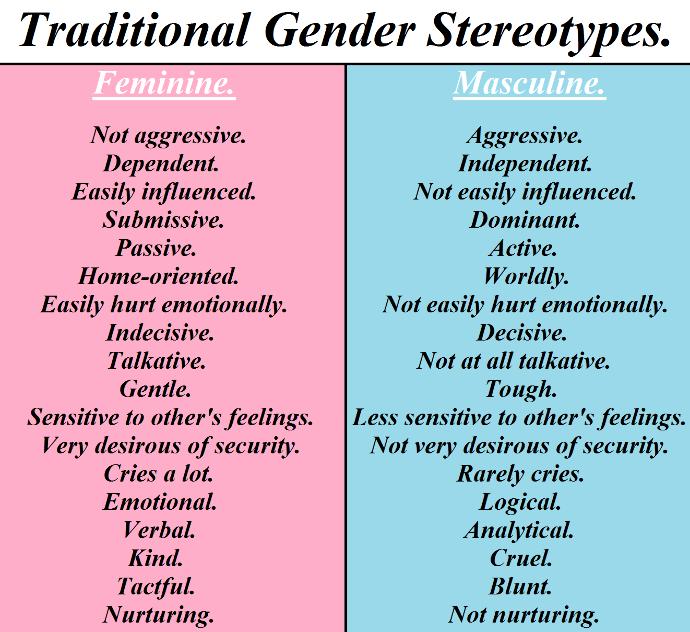
If the children of this generation are not sheltered from the advertising or if they are exposed to it without parental guidance, then children may become addicted to the fast food and highly processed food, become obese, fall into the fad diet trap as a way to lose weight (and lose money), go through plastic surgery and make-up to make themselves look "beautiful", and lose career opportunities in life.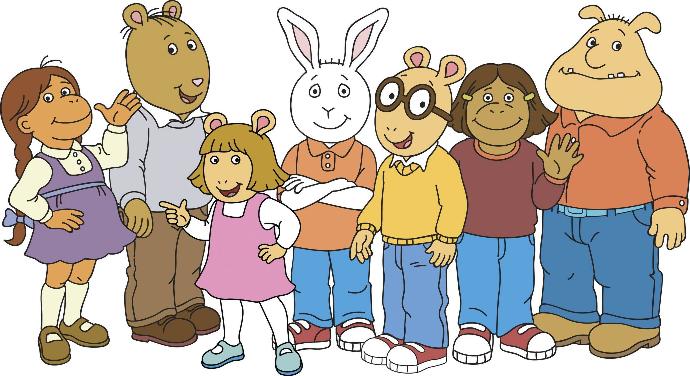
Children are the future. Their exposure to TV commercials and Internet ads should be limited and monitored. A healthy TV station would be PBS (Public Broadcasting Station). The children's TV programs are clean and espouse good values, empowerment, and diversity. Arthur (PBS Kids) teaches children how to deal with real-life problems and different kinds of people. Cyberchase (PBS Kids) teaches children about the power of mathematics. Though, the evil Hacker may imply the stereotypical computer nerd, who is usually male, giving the impression that computer programmers are male.
And that's why I believe that children should be protected from harmful advertising.

















Most Helpful Opinions