 Girl's Behavior
  Guy's Behavior
  Flirting
  Dating
  Relationships
  Fashion & Beauty
  Health & Fitness
  Marriage & Weddings
  Shopping & Gifts
  Technology & Internet
  Break Up & Divorce
  Education & Career
  Entertainment & Arts
  Family & Friends
  Food & Beverage
  Hobbies & Leisure
  Other
Other  Religion & Spirituality
  Society & Politics
  Sports
  Travel
  Trending & News

In families with narcissistic parents, genuine sibling bonds are often rare. Even if they appear healthy on the surface, a closer look reveals underlying dysfunction.

Instead of mutual respect and support, these relationships usually fall into one of two unhealthy patterns:
Enmeshment:

The siblings are overly dependent on each other, believing they share an unbreakable bond. However, this closeness often stems from shared trauma rather than genuine emotional connection. They may lose their individual identities in the process.
Subtle Dominance & Entitlement:
One sibling idolizes the other, seeing them as superior while unconsciously diminishing their own worth. This creates an imbalanced dynamic where one assumes an authoritative role while the other struggles with self-doubt.
The Root Cause: Narcissistic Family Dynamics
Narcissistic families thrive on dominance, control, and manipulation and sibling relationships are no exception.

Parents use a divide-and-rule strategy, feeding each child negative narratives about the other. Over time, this erodes trust and fosters resentment.
One of the most damaging tactics is the "Scapegoat vs. Golden Child" dynamic:
The Golden Child is the favorite, often praised and placed on a pedestal.
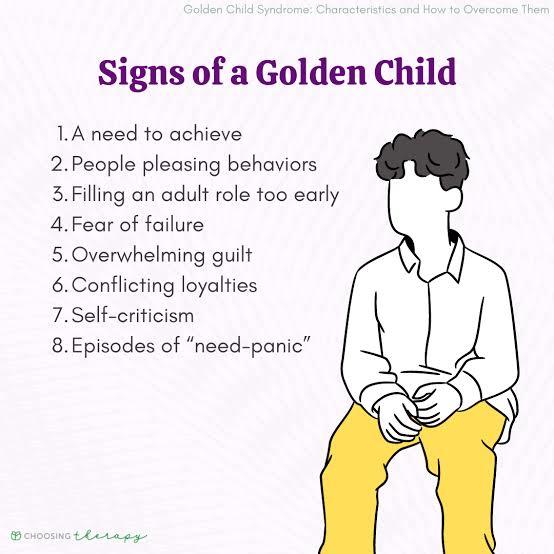
The Scapegoat is blamed for everything and treated as the family's problem.

This favoritism creates rivalry, jealousy, and a deep emotional wedge between siblings. Rather than forming a natural bond, they grow up conditioned to either compete or stay distant.
Can Adult Siblings Heal Their Bond?
Yes but it requires intentional healing and emotional independence from their parents.
- ✅ Both siblings must recognize the dysfunctional family patterns they were raised in.
- ✅ They need to find their authentic selves outside of their assigned family roles.
- ✅ A new relationship can be built on their own terms, free from parental influence.
Rebuilding trust takes time, but when both siblings commit to healing, they can create a bond based on genuine love, respect, and equality not manipulation or control.
Final Thoughts
If you’ve grown up in a narcissistic family, it's natural to feel conflicted about your sibling relationship. But healing is possible. By breaking free from old family roles and choosing to reconnect with authenticity, you can redefine what a healthy sibling bond looks like.
What are your thoughts? Have you experienced these dynamics in your family? Let’s discuss in the comments!






















Most Helpful Opinions