 Girl's Behavior
  Guy's Behavior
  Flirting
  Dating
  Relationships
  Fashion & Beauty
  Health & Fitness
  Marriage & Weddings
  Shopping & Gifts
  Technology & Internet
  Break Up & Divorce
  Education & Career
  Entertainment & Arts
  Family & Friends
  Food & Beverage
  Hobbies & Leisure
  Other
Other  Religion & Spirituality
  Society & Politics
  Sports
  Travel
  Trending & News

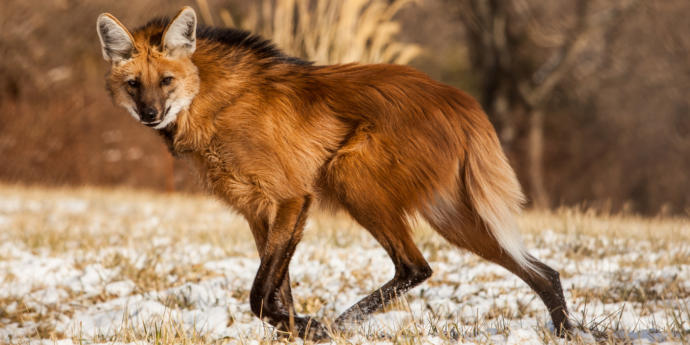
The maned wolf:

-It's long legs are believed to be adapted to help see above the tall grass within it's habitat.
- They hunt through dusk, night, and dawn.
- Spend their days resting in thick foliage.
-They don't have the usual pack formation. There's usually a male and female mated pair who live separately/independently within a 25-50sq. km. range. They usually meet up during mating season.
-Females produce 1-5 pups per litter.
-Males help to groom, feed, and protect pups.
-They inhabit areas in South America, Northeastern Brazil, Peru, and Paraguay
-Some people believe wolves bodies have mystical abilities and hunt this species to make talismans.
-They're also threatened by habitat loss, diseases, domestic dogs hunting their food source, and domestic dogs hunting them.
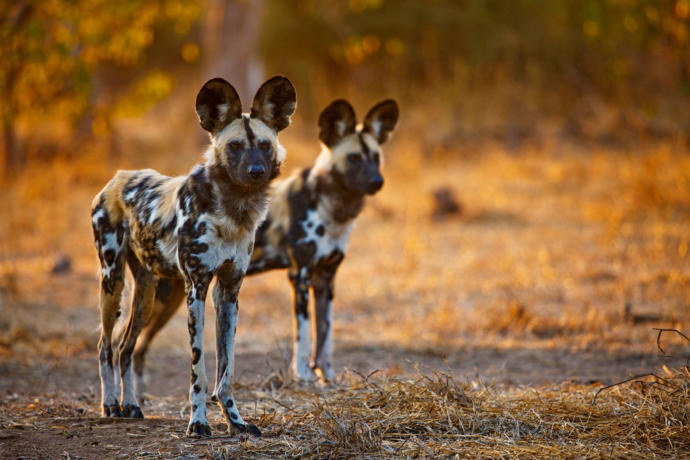
African Wild Dog:
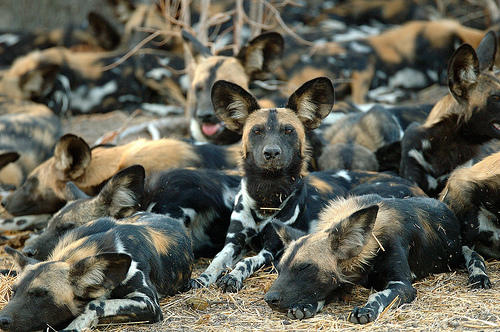
-Mostly found in arid zones and the Savannah
-They're often killed by farmers who believe they've preyed on their livestock (Hyenas and leopards are usually the culprit)
-As human settlements continue to grow, they lose space to live and feed.
-The Wild Dog is an endangered species with about 6,600 left in the wild
-The packs are led by a monogamous breeding pair. They'll have 2-20 pups per litter and the pack will aid in raising them.
-They're very social and are known to nurture the sickly & weak within their pack.
-Packs may have 6-20+ members and were known to have much larger numbers before they became endangered.
-Packs go after antelopes and wildebeest, especially if the larger prey are injured or weak. They'll also feed on birds & rodents. They don't typically feed on livestock although, a few who live near human settlements may develope a taste for farm animals.
-They're prone to diseases carried by domestic animals.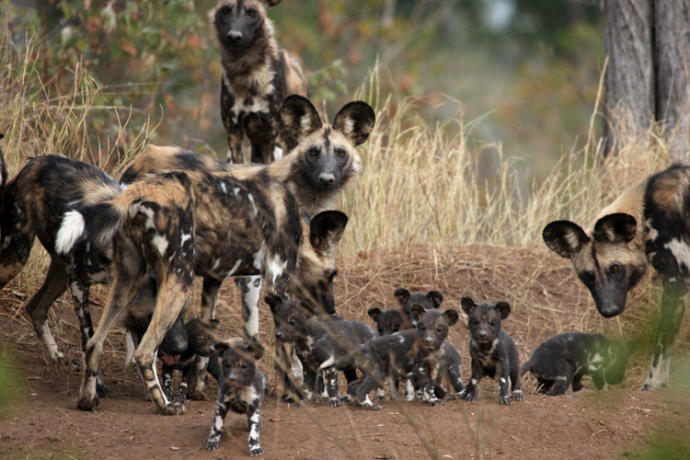
Timber wolves:
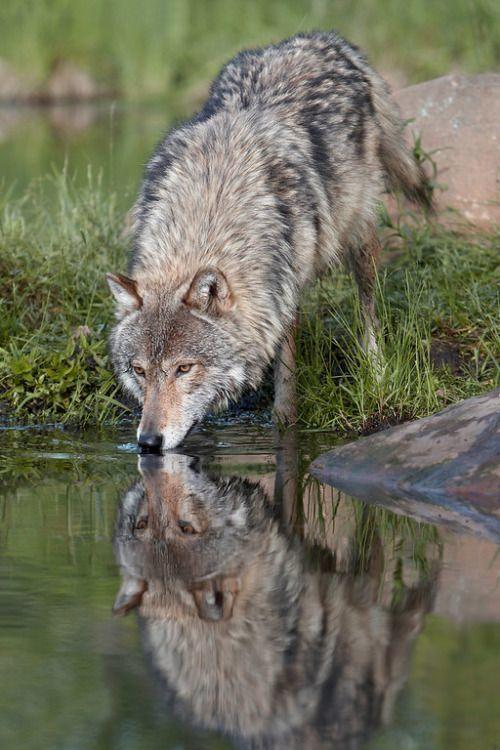
-There are three species and close to 40 subspecies of wolf.
-The Gray Wolf aka Timber Wolf is the most common
-They come in a wide variety of colors and sizes.
-Example: Adult gray wolves can weigh from about 40-175lbs
- Wolves inhabit North America, Europe, Asia, & North Africa.
-They like to live in remote wilderness.
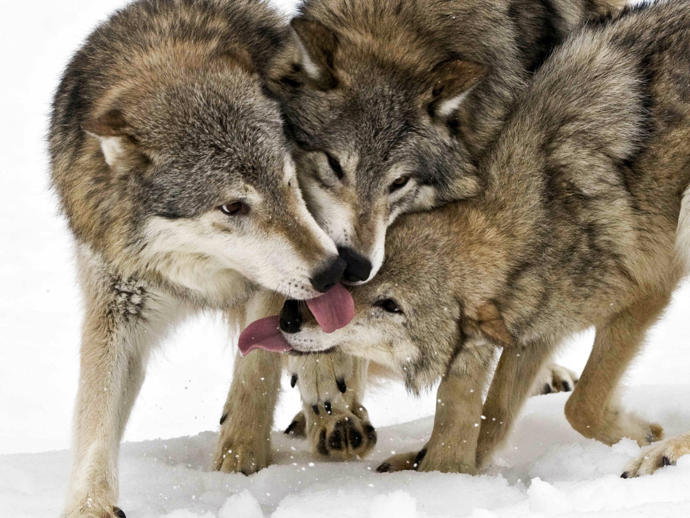
-They hunt and travel in packs. Packs are usually made up of 2 Mates and their young (about 10 wolves per pack). Significantly larger packs have been reported, though.
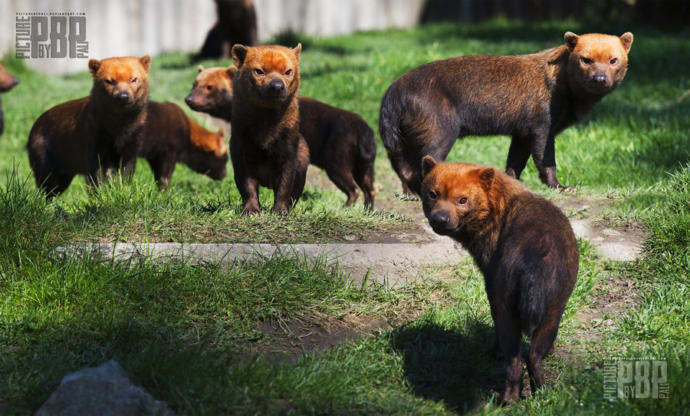
Bush Dogs:
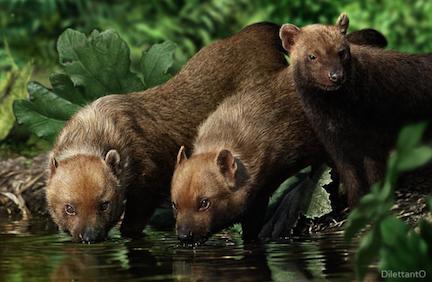
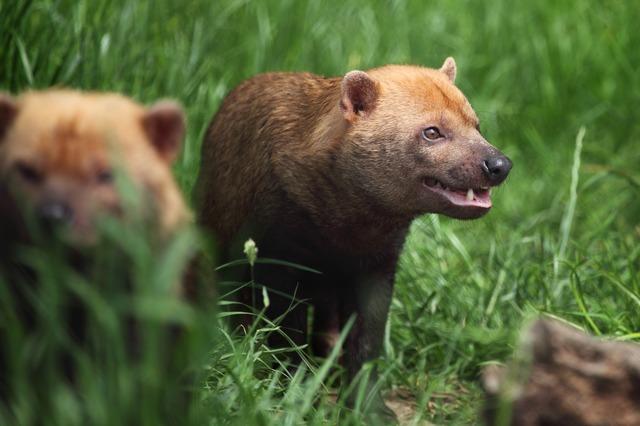
-The bush dog is a rare and mostly unheard of Canid.
-They clearly resemble otters more than canines.
-They've adapted to a semi-aquatic life within forests (they have webbed feet for swimming).
- They're classed as endangered and rarely observed in the wild.
-They're social and live in groups of up to 12 members.
-They'll hunt in parties of 2+ members and they typically prey on large rodents. In more open areas, they may hunt grounded birds, snakes, small rodents, and lizzards
-They nest in dens made of abandoned burrows or fallen trees
- They typically live with extended family. There will be one dominant female who can breed and all the other female's' reproductive hormones will be suppressed.
-Non breeding members guard, carry, and clean the pups while males bring back food.
Jackals:
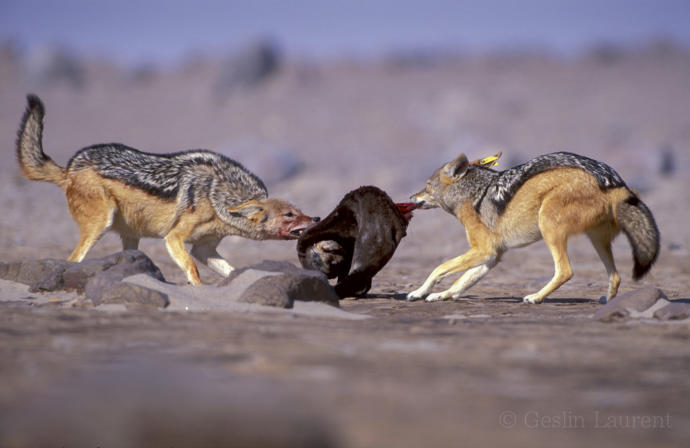
Black Backed
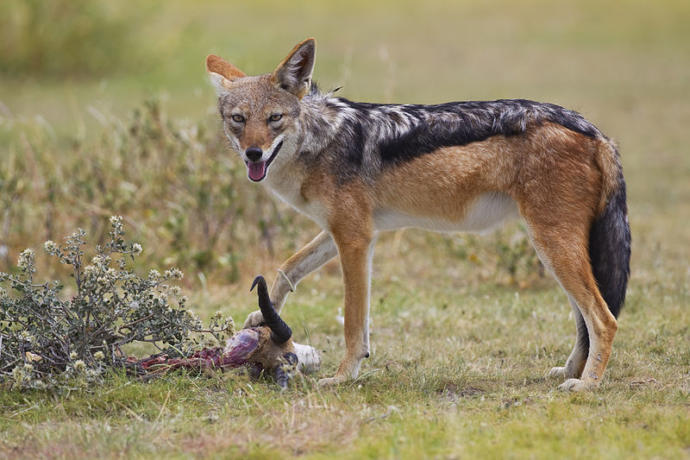
-The black jackal is a clever scavenger & predator.
-They feed on reptiles, birds, eggs, beached mussels, fish, carrion, and human garbage. As well as small mammals.
- They're nocturnal but may be active in daylight if humans aren't around.
-They're social w/ packs being led by a monogamous male and female pair, their young, and "non- breeding" adult helpers. Which are usually grown up offspring from previous litters.
-Their territories range to about 10 sq. km. and they guard them aggressively from other mated pairs.
-They have 1-9 pups per litter
-The pups are played with, cared for, and groomed by the helpers.
-They suffer from common k-9 diseases such as rabies, canine distemper, and rabies parvovirus.
-They've been known to infect domestic animals with these diseases.
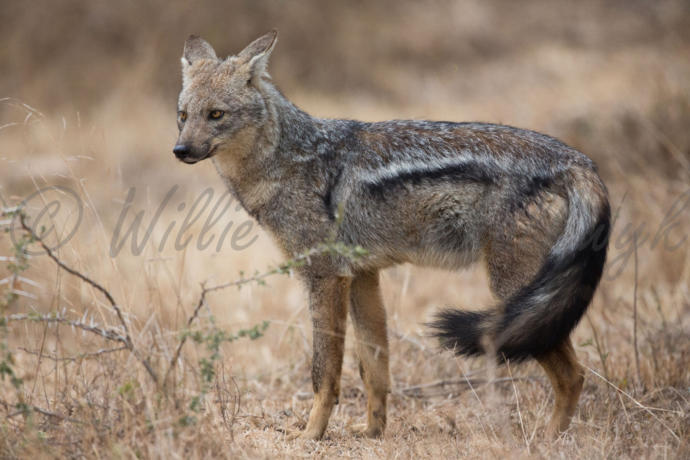
Side Striped 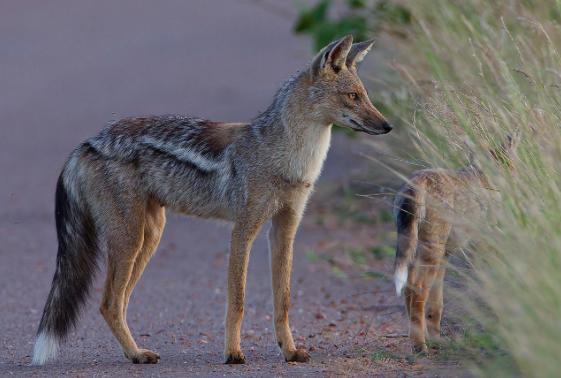
-The side striped jackal is found in sub-Saharan Africa.
-They inhabit woodlands, grasslands, scrubs, marshes, mountainous, and a variety of other habitats.
-More omnivorous than other jackal subspecies; feeding on fruit, carrion, and small animals.
-The side striped jackal is drawn to human settlements (they feed on garbage & livestock). This has led to their poisoning and being hunted. Out of concern for livestock and health (rabies outbreak).
Ethiopian Wolf:
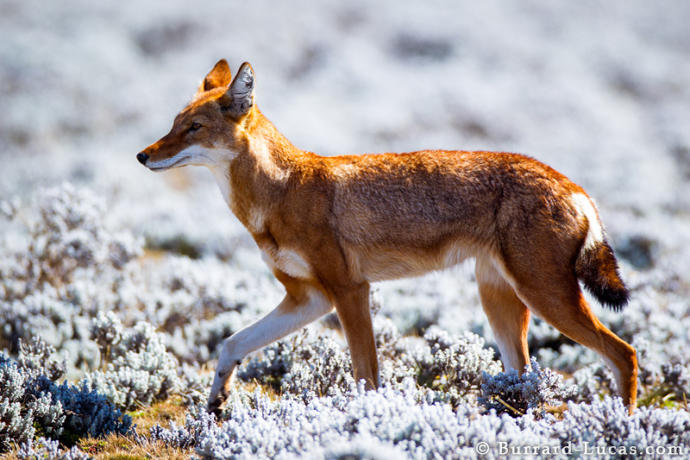
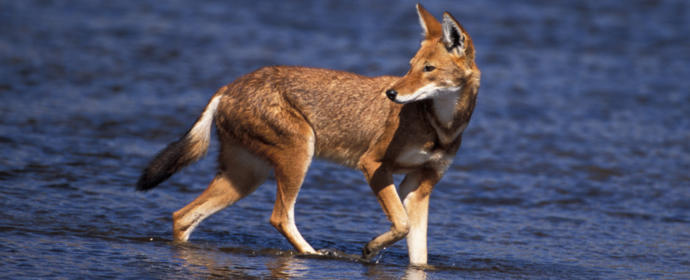
-The Ethiopian Wolf is native to the Ethiopian Highlands
-Unlike other large canines, this species almost exclusively feeds on Afroalpine rodents.
-It's one of the world's rarest Candids and an endangered species
-They're threatened by human settlements, interbreeding, diseases, and their restrictive diet and habitat needs (they only inhabit 7 specific mountains that are being settled by humans)
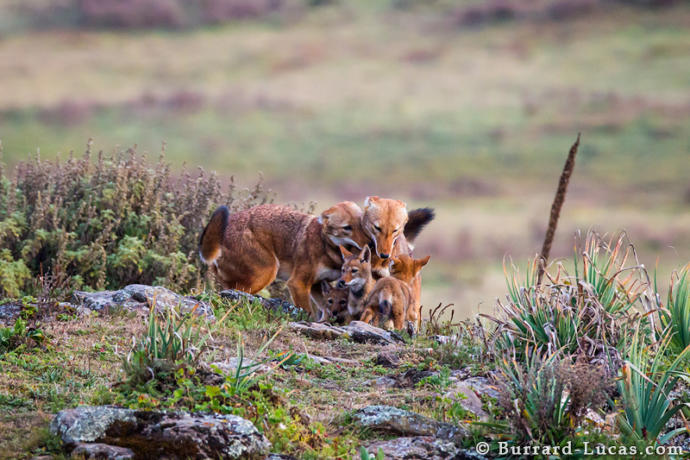
-They live in packs of 3-13 members.
-The dominant female births from 2-6 pups per litter and the other members will help guard the den from avian & terrestrial predators. Other pack members assist with raising the young.
-Pack bonds are very strong.
If you all enjoy this Take, I may do a part 2.. ;)

















Most Helpful Opinions