 Girl's Behavior
  Guy's Behavior
  Flirting
  Dating
  Relationships
  Fashion & Beauty
  Health & Fitness
  Marriage & Weddings
  Shopping & Gifts
  Technology & Internet
  Break Up & Divorce
  Education & Career
  Entertainment & Arts
  Family & Friends
  Food & Beverage
  Hobbies & Leisure
  Other
Other  Religion & Spirituality
  Society & Politics
  Sports
  Travel
  Trending & News


Love one of the most profound human experiences seems to be fading in its essence. In a world where relationships are marked by control, insecurity, and emotional unavailability, many of us find ourselves wondering: Do we even know what love is?
The Love Deficit: Why We Struggle in Relationships?
Love is not just an emotion; it’s a learned experience. But what happens when we grow up without seeing or receiving healthy love?
Studies show that childhood experiences shape our capacity for emotional connection in adulthood.
According to a Harvard Study of Adult Development, individuals who grew up in unloving or dysfunctional households struggle with emotional intimacy and forming secure relationships. Source
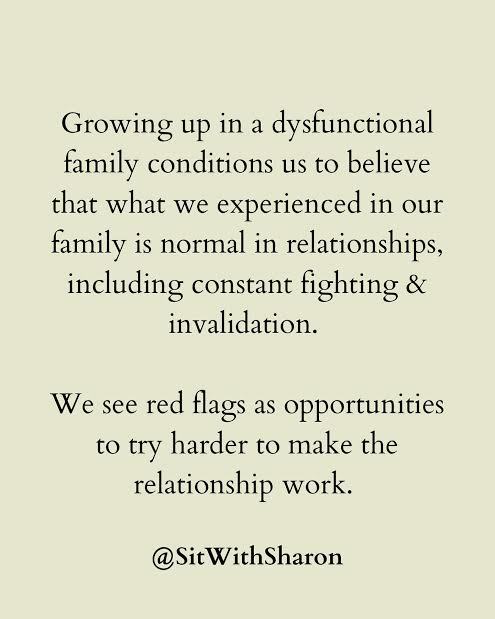
A 2018 study by the National Institute of Mental Health (NIMH) found that 40% of adults have an insecure attachment style, which significantly impacts their romantic relationships. Source

Research published in the Journal of Marriage and Family states that children who witness high parental conflict are more likely to develop relationship anxieties, leading to clinginess or avoidance in adulthood.

Many of us have never seen what love truly looks like our parents were distant, our childhood lacked warmth, and we never had a nurturing adult to guide us. As a result, we confuse love with attachment, control, and emotional dependency.
The Illusion of Love: Where We Go Wrong
Without a healthy foundation, we enter relationships with distorted perceptions of love. We mistake:
- Clinginess for love
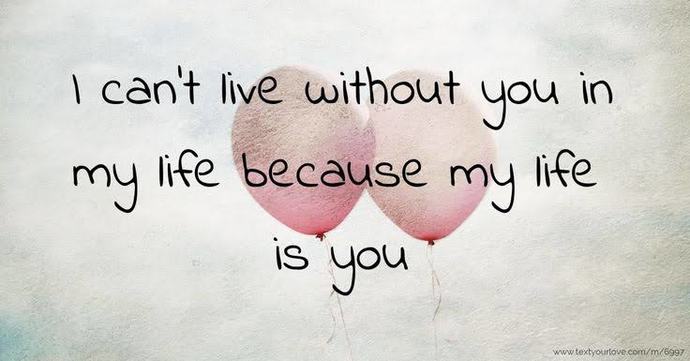
- "I can’t live without you" isn’t love; it’s emotional dependency.
- Control for love

- Setting excessive rules and restrictions isn’t love; it’s insecurity.
- Manipulation for love.
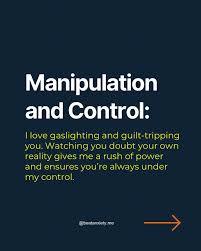
- Guilt-tripping a partner into staying isn’t love; it’s fear of abandonment.
A 2022 survey by the Pew Research Center found that 34% of young adults feel pressured in their relationships, either emotionally or mentally. This aligns with the reality that many of us enter relationships seeking to "fix" our inner emptiness, rather than experiencing true love.
Healing: The Missing Piece in Our Love Story
The truth is: we cannot give what we do not have. If we do not understand love, we cannot offer it to others. Healing is the key to breaking the cycle of toxic relationships.
✔ Self-awareness – Understand how your past affects your present relationships.
✔ Self-love – Develop a deep connection with yourself before seeking it externally.
✔ Emotional healing – Seek therapy, meditation, or self-reflection to address past wounds.
A study from the American Psychological Association found that individuals who engage in self-healing practices, such as mindfulness and therapy, have 30% higher relationship satisfaction compared to those who don’t.
A Call to Heal: The Future of Love
The world doesn’t need more relationships; it needs more healed individuals who can love without fear, control, or insecurity. Only when we bring harmony within ourselves can we create genuine, fulfilling love with another.
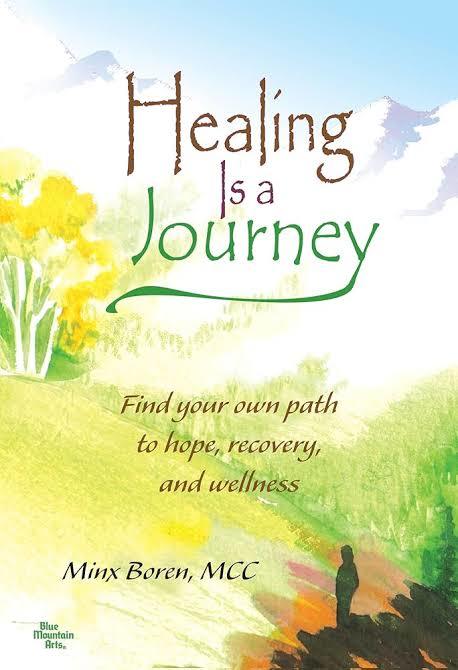
So, have you started your healing journey?











What Girls & Guys Said
Opinion
1Opinion
It might have faded in your world. Many of us live it every day.
I hate to break it to you, but what people call ‘love’ is just a chemical reaction that compels animals to breed. It hits hard, Morty, then it slowly fades, leaving you stranded in a failing marriage.