 Girl's Behavior
  Guy's Behavior
  Flirting
  Dating
  Relationships
  Fashion & Beauty
  Health & Fitness
  Marriage & Weddings
  Shopping & Gifts
  Technology & Internet
  Break Up & Divorce
  Education & Career
  Entertainment & Arts
  Family & Friends
  Food & Beverage
  Hobbies & Leisure
  Other
Other  Religion & Spirituality
  Society & Politics
  Sports
  Travel
  Trending & News

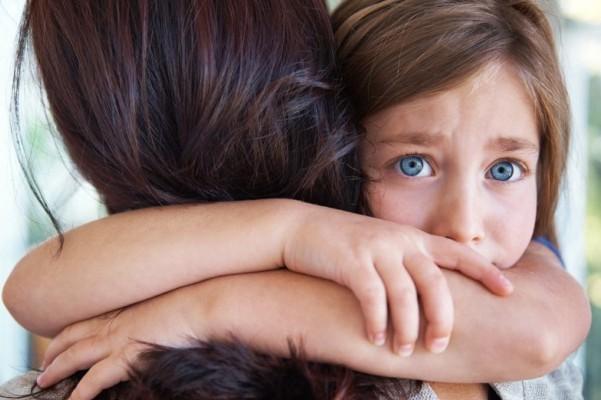
When a baby is born a couple of things are of immense importance for the survival of the infant; food, protection and love. You see when a child doesn’t receive love it simply dies, from the moment the mother is giving birth she starts to produce hormones, that makes the bonding between a mother and her child incredibly strong.
In an normal family the child will learn from it’s parents that they will be there for the child but that it also must learn to become an individual. And so there should be a healthy balance between either love / emotional support and giving the freedom to self-exploration and growth. When a child grows up in such circumstances it will develop a basic trust in others and itself.
Which is of tremendous importance for the way a person views oneself and how it will interact in future relationships.
But you probably already realized that not everyone grows up in the exemplary family as described above.
The following are 4 types of attachment styles:
Secure
This one applies to most people and is as what I described above, there is a healthy relationship between child and care-giver and a good balance between emotional support and the ability for the child to develop and grow.
Avoidant
These children often grow up with parents that are emotionally distant, they do not provide the correct amount of emotional support the child needs. It will become very independent and might even believe it doesn’t need love and affection at all, or even feel unworthy of love. As an adult these people will often be very distant and cold, they have difficulties discussing their problems and emotions as they never learned from their primary care-givers. Often they are more concentrated on self-growth than anything else, and do not have to need to be loved.
Note : often these children grew up in abusive and dysfunctional families. It is abnormal not to ever want to be loved.
Insecure
These children just like number 2 grew up with parents that were emotionally distant, but in contrast with the avoidant one, they have very low self-esteem. These children want nothing more than to be loved. As adults they will seek out any opportunity to get into a relationship, to feel loved and wanted. But not in a healthy way as they are very insecure about themselves they will be obsessed and overly dramatic. They will ‘suffocate’ their partner, as they are afraid of losing that love, afraid their partner will leave them or not like them for who they are.
Insecure resistant / ambivalent
These children grow up with care-givers that are very inconsistent and unpredictable in their behaviour, one moment they are loving and emotionally supportive the other moment they aren’t. The child doesn’t form a good solid attachment to its care-givers as they confuse the child with their unpredictably responsive caregiving. This manifests itself later on in being very insecure, distrustful of others, clingy and overly dependent on their partners. They fear abandonment but at the same time they do not trust their partner.
It is believed that the insecure and the ambivalent attachment are somewhat passed on through our genes. And it is also often found that the insecure will seek a relationship with the avoidant, because of the opposite attraction. I’m not going to go in to much detail on that, thought.
The interaction we have with others also influences our attachment style, it has been found most people change their attachment style for the better trough a relationship with an adult that learned to attach in a secure way. But the other way around is sadly also possible, one that has grown up in a secure way that deals with someone who didn’t could potentially mess with one’s self-esteem and trust.
This is a theory some might believe it and others don't, but I do think there is a lot of truth in this theory, for me it explains a lot about myself but also about the behaviour of others.
Whatever attachment style you have, you must know that it can be changed for the better. I believe that the moment you realize what you are doing wrong it’s the moment you are heading in the right direction.


























Most Helpful Opinions