 Girl's Behavior
  Guy's Behavior
  Flirting
  Dating
  Relationships
  Fashion & Beauty
  Health & Fitness
  Marriage & Weddings
  Shopping & Gifts
  Technology & Internet
  Break Up & Divorce
  Education & Career
  Entertainment & Arts
  Family & Friends
  Food & Beverage
  Hobbies & Leisure
  Other
Other  Religion & Spirituality
  Society & Politics
  Sports
  Travel
  Trending & News

Feminism is a touchy subject these days, and there are many reasons for that. But one major contributing factor is confusion about what people actually mean when they use the term "feminism". Traditionally, feminism refers to the fight for gender equality and the belief that women should be socially, politically, and economically equal to men.
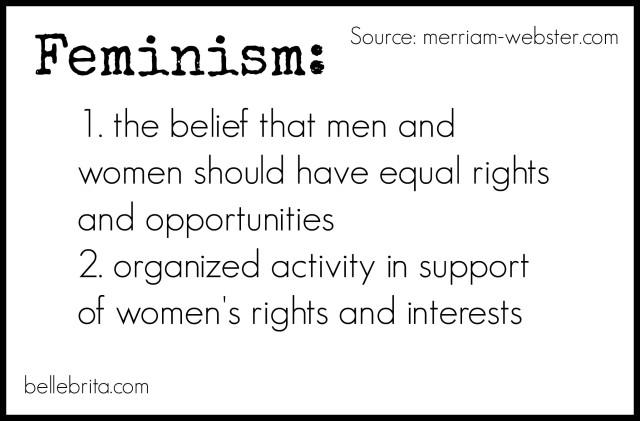
Despite the persisting dictionary definition, the rise of radical feminism has introduced new ideas about what "feminism" can mean. Feminism is now often associated with misandry, and the definition of the term "feminism" has become convoluted and messy. Some people would even go as far as to define feminism as a form of misandry or a misandristic concept- and that choice is not unfounded. But using an existing established term in a completely new way has consequences.
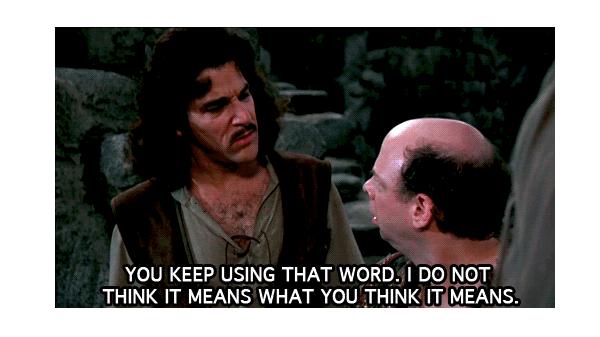
Person 1: "I'm against feminism."
Person 2: *gasps* "How could you?!"
Person 3: *Grabs popcorn*
I'm not here to tell you that you must adhere to the traditional dictionary definition of feminism. But when you talk about the subject of feminism with others, it is imperative to acknowledge that the person you're speaking with may be using a definition that differs from the one you choose to use. Neither of you is necessarily right or wrong; what's really important is where you stand on the issues themselves, not how you choose to define a term. So the next time you're having a discussion about feminism, remember to clarify what you really mean when you use the term. This will help you avoid meaningless disagreements and put you on the right path towards a productive conversation.
Thanks for reading!
Image sources:
bellebrita.com






























Most Helpful Opinions