 Girl's Behavior
  Guy's Behavior
  Flirting
  Dating
  Relationships
  Fashion & Beauty
  Health & Fitness
  Marriage & Weddings
  Shopping & Gifts
  Technology & Internet
  Break Up & Divorce
  Education & Career
  Entertainment & Arts
  Family & Friends
  Food & Beverage
  Hobbies & Leisure
  Other
Other  Religion & Spirituality
  Society & Politics
  Sports
  Travel
  Trending & News

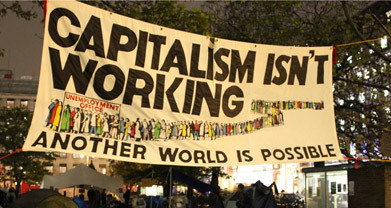
The environment is suffering because companies put profits before the health of our planet. This leads to pollution, depletion of resources, and loss of habitats for wildlife. Climate change, caused by burning fossil fuels and deforestation, is a huge threat and corporations are a big part of the problem.
Communities are also being hurt. The focus on consumerism leads to exploitation of workers and widening income inequality. People are struggling to make ends meet and communities are being weakened.
Our own lives are also affected. The pressure to keep consuming creates stress, anxiety, and a sense of emptiness, as we never feel satisfied with what we have.
A better future is possible. We need an economic system that prioritizes people and the planet over profits, such as the circular economy. In a circular economy, waste is minimized and resources are kept in use for as long as possible. This leads to a more sustainable and equitable future.
For example, instead of throwing away old phones, they are refurbished and reused. This creates jobs, reduces waste, and saves resources. Companies also focus on using renewable energy and creating products that can be easily repaired or recycled.
By adopting a circular economy, we can create a future that values people, communities, and the planet. Let's make this vision a reality and create a better future for all.
Cooperative Economy: Businesses are owned and run by employees, promoting equity and community-focused decision-making.
Sharing Economy: People share resources, reducing waste and strengthening communities.
Socialism: The means of production are owned and controlled collectively, leading to greater economic equality and a focus on meeting the needs of all people.
Capitalism's deep roots and powerful influence make it a tough system to challenge. However, its profit-driven priorities harm people and the planet. It's inherently unjust, promoting exploitation and exacerbating inequality, while ignoring the damaging effects on the environment. The need for change is clear and pressing, and it's time for more equitable and sustainable economic systems to take center stage.
To create a more equitable and sustainable world, we must challenge the hold that capitalism has on our society. This requires a multifaceted approach, including raising awareness of its negative impacts, promoting alternative economic systems, and advocating for government policies that prioritize people and the planet.
However, the greatest obstacle to change is the world elites who benefit from the current system. To achieve a truly equitable and sustainable future, it's crucial that they be held accountable and removed from power. This won't be easy, but the time for change is now. By working together, we can take on this challenge and create a better future for all.


















Most Helpful Opinions