 Girl's Behavior
  Guy's Behavior
  Flirting
  Dating
  Relationships
  Fashion & Beauty
  Health & Fitness
  Marriage & Weddings
  Shopping & Gifts
  Technology & Internet
  Break Up & Divorce
  Education & Career
  Entertainment & Arts
  Family & Friends
  Food & Beverage
  Hobbies & Leisure
  Other
Other  Religion & Spirituality
  Society & Politics
  Sports
  Travel
  Trending & News


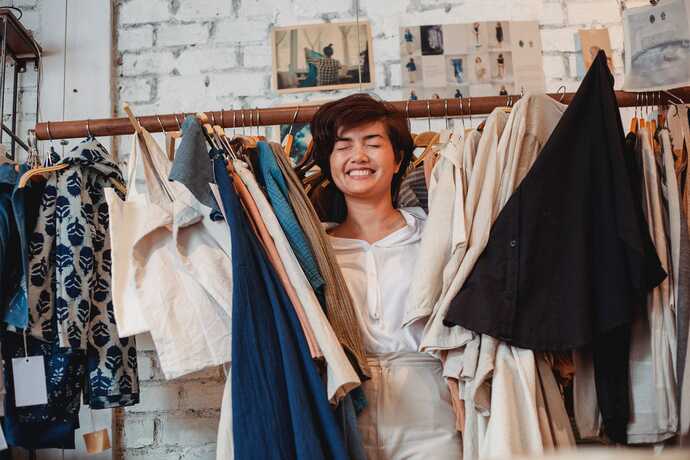
Thrifting started out as a way for low income families to be able to afford things like clothing, shoes, housewares, furniture, etc that was being discarded by others. On the environmental front, thrifting helped keep clothing, the number one filler of landfills, out of landfills and into a system that recycled them for good use.
Then came along the likes of eBAY, Poshmark, Depop, Thred-Up, Mercari, and others who sought to create an online market for used and discarded items. Instead of going to a store, people would now bring the store to you, and you as a buyer could browse through beautiful pictures of used items instead of maybe having to go to a messy store, or deal with touching what some people think of as dirty dingy clothes, in lieu of "the good stuff," already being found and presented at heavily discounted prices or at least offering more of an availability of hard to find or unique items.
Thus began the thrift wars. The battle between low income families, clothing re-sellers, and the stores. Low income families who used to be able to purchase clothing mainly for low prices were finding sticker shock as some items were now priced more like a discount store like Ross. They also argued that these re-sellers would come in "their stores," and sweep through, and take all the good things, leaving them with clothing outdated, and torn, or broken.
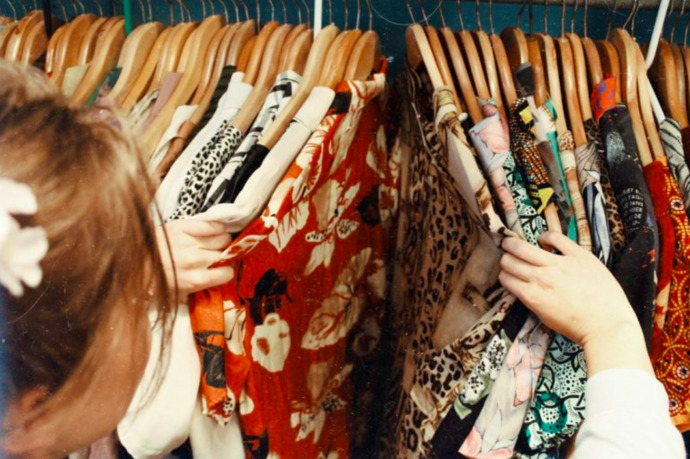
Re-sellers argued that what they were doing is well within their rights living in a free market economy and that anybody could in actuality do what they do if they wanted to as the reseller market is open to anyone. They also say, which is true, that thrift stores have thousands of items, and more coming in for free everyday donated by others. They are still helping to keep clothing out of landfills which is where the clothes still go if they aren't sold.
The stores, having quickly figured out that they could make more profit (which nowadays rarely actually goes to helping the needy), could charge more for certain popular items and argued that they needed to raise prices to keep up with the modern cost of doing business and keeping the lights on even if they do get items 100% for free in some cases.
So who is to blame? Is there anyone to blame? I've been a clothing re-seller for eight years. I started my business because I live with chronic illness and the medical costs are crazy high. It was a way to supplement my income and became extremely helpful to me during the covid years, as I had lost my other job which was dependent on human interaction. I do not then, and do not now apologize for what I do to anyone. Are you going to pay my medical bills?
As a kid, my mother thrifted for us because we were poor, and now I thrift for others to help me not be poor. If someone is mad at that, let them be mad. Stores that get items for free mind you, control those prices. Yes, there is an actual increase in costs, as there seem to be every year now, of doing business that takes into account a lot of things, but aside from covering that, they do not have to charge what they do over older pricing schemes. Survival clothing are your standard jeans, shorts, skirts, dresses, jackets, tees that can be found in heaps and yes, still at reasonable prices at the thrift (under $10, unless you're in a high end neighborhood) but so too can you find something dressier or suits if you need them.
If anything having lived through being poor and scrapping for every scent as a family in my youth, you know if you want to hit the sale, if you need something, you wake up early, you stand in the long lines, you look through the piles and make your peace so you can survive. Same thing for me as a reseller. Nothing has changed in that.
















Most Helpful Opinions