 Girl's Behavior
  Guy's Behavior
  Flirting
  Dating
  Relationships
  Fashion & Beauty
  Health & Fitness
  Marriage & Weddings
  Shopping & Gifts
  Technology & Internet
  Break Up & Divorce
  Education & Career
  Entertainment & Arts
  Family & Friends
  Food & Beverage
  Hobbies & Leisure
  Other
Other  Religion & Spirituality
  Society & Politics
  Sports
  Travel
  Trending & News


Emma Watson’s 2014 UN speech, launching the HeForShe campaign, threw down a gauntlet: “How can we have a thoughtful open discussion when only half the population feels invited to join in the conversation?” Her call to include men in the fight for gender equality was bold, but a decade later, the loudest feminist voices often slam the door on men, silence women who challenge the mainstream by branding them “pick me” girls, and sideline intersectionality, the critical lens that examines how race, class, and other identities shape experiences. From a male perspective, and for women who dare to differ, this exclusionary approach fuels division rather than unity. Let’s unpack the male experience, explore how dissenting women are sidelined, and dive into how feminism’s neglect of intersectionality alienates both, stifling the open dialogue Watson envisioned.
The Male Perspective: Caught Between Support and Suspicion
Imagine you’re a guy who believes in equality: equal pay, equal opportunities, tearing down systems that hold women back. You’re ready to rally for feminism. But then you scroll through X, and it’s a flood of “men are the problem” or “toxic masculinity” rants. Suddenly, you’re not an ally—you’re the villain. For many men, this is where feminism stings. It’s not that they reject the core fight; it’s that the rhetoric often paints them as a monolith, responsible for every societal ill, with no space to share their struggles.
Men face pressures too: the demand to bottle emotions, be the breadwinner, or navigate legal systems like family courts where fathers often lose out. A 2023 YouGov poll found 54% of US men think feminism has “gone too far,” compared to 39% of women [1]. That’s a red flag—over half of men feel pushed away, not invited. When their realities, like the expectation to be stoic or the fact that men account for 75% of suicides in the US (2023 CDC data [6]), are ignored, men don’t just disengage; they get defensive. And can you blame them? Being told you’re inherently the issue makes it hard to stick around for the conversation.
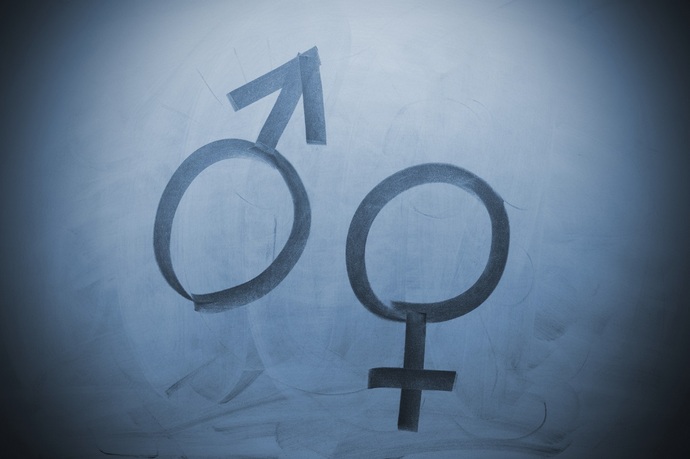
Silencing Sisters: The Pick Me Purge
Now, consider women who question the feminist mainstream. If a woman on X suggests men’s mental health matters or critiques #MeToo’s overreach, she’s swiftly labeled a “pick me” girl—accused of pandering to men at women’s expense. Originally a critique of internalized misogyny, the term has become a weapon to shut down dissent. A 2023 X post captured the frustration: “I’m a feminist, but I think family courts can be unfair to men. Now I’m a pick me? How is that fair?” Another, in 2024, wrote, “I said we should talk about men’s issues too, and got dogpiled. Feminism shouldn’t mean silencing women.”
This isn’t just online drama. A 2022 Journal of Social Issues study found 47% of women surveyed feared social backlash for expressing non-mainstream feminist views [5]. Women who argue for a broader approach—like tackling how gender norms harm everyone—are often ostracized, accused of betraying the sisterhood. This creates a paradox: a movement meant to empower women polices them, leaving dissenters feeling exiled. For men watching, it’s a warning: if feminism shuts down its own, what chance do they have to join without being called “mansplainers”?
Intersectionality: The Missing Piece
Feminism’s failure to fully embrace intersectionality—coined by Kimberlé Crenshaw in 1989 to describe how race, class, gender, and other identities intersect—widens this divide [8]. Mainstream feminism often centers white, middle-class women’s experiences, sidelining women of color, working-class women, or those with disabilities. For example, Black women face unique challenges, like hypersexualization or workplace discrimination at higher rates (a 2023 Pew study found 54% of Black women reported racial and gender-based workplace bias, compared to 26% of white women [9]). Yet, feminist discourse often glosses over these nuances, focusing on universal “women’s issues” that don’t fully resonate.
Men, too, experience intersectionality. Black men navigate stereotypes of aggression, while working-class men face economic pressures tied to “provider” roles. A 2021 Sociology of Race and Ethnicity study noted that Black men are less likely to engage with feminism due to its perceived focus on white women’s issues, with only 28% feeling the movement addresses their realities [10]. When feminism ignores these layered identities, it alienates men and women who don’t fit the dominant narrative, making Watson’s inclusive dialogue impossible.
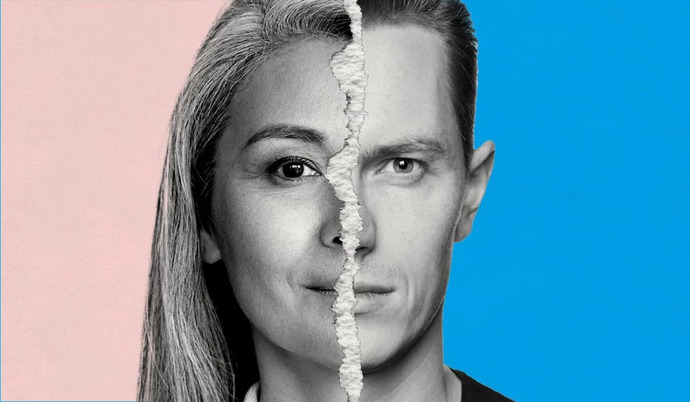
The Social Media Megaphone: Amplifying Outrage
X and other platforms supercharge this divide. Hashtags like #MenAreTrash, born from pain over issues like violence against women, end up demonizing an entire gender. A 2022 Pew Research Center study found 60% of men feel social media portrays them negatively, fueling resentment [2]. Women face similar pressures: align with the loudest feminist voices or risk being called out as pick me. The algorithm loves outrage—clicks and viral takedowns trump nuance. Moderate voices, like those echoing Watson’s HeForShe call for collaboration, get buried [3]. The result? Men feel attacked, dissenting women feel silenced, and intersectional perspectives are drowned out, leaving everyone stuck in a cycle of criticism for not engaging enough.
What’s Missing: A Space for Everyone’s Truth
Men bring perspectives shaped by their battles with gender norms: the pressure to “man up,” stigma against stay-at-home dads, or the mental health crisis (men’s suicide rates are a stark example [6]). These tie directly to feminism’s fight against rigid norms, yet men rarely feel welcome to share. Women who see these connections and speak up—like arguing for fairer family courts—are dismissed as diluting the cause. A 2023 Gender & Society study found women ostracized by feminism are less likely to identify with it, even if they support equality [7]. Intersectionality is the missing link: feminism that ignores how race, class, or other factors shape men’s and women’s lives misses the full picture.
Both men and women face a catch-22. Men risk “mansplaining” accusations; women risk pick me labels. A 2021 X post from a man summed it up: “I want to support feminism, but I’m told I’m centering myself. How do I join without being the villain?” A woman echoed in 2024: “I’m a feminist, but I think we need to hear men too. Why does that make me a traitor?” These voices, and those from marginalized groups, need space to be heard.

Building the Bridge: A Way Forward
To spark Watson’s open discussion, feminism must evolve:
Rewrite the Story: Frame gender norms as a shared enemy, restricting women, men, and everyone across identities. A campaign showing how equality frees us all could shift the vibe.
Amplify the Middle Ground: X could boost voices modeling real talk—feminists who engage men, dissenting women, and intersectional perspectives without shutting anyone down.
Create Safe Spaces: Expand HeForShe-style forums where men, women, and marginalized groups unpack gender norms without fear of cancellation. Imagine a space where a Black man can discuss stereotypes or a Latina woman can address economic barriers, and both are heard.
Center Intersectionality: Feminism must prioritize diverse experiences—how Black women face unique biases, how working-class men navigate provider roles, or how disabled women encounter exclusion. This builds a bigger tent.
Why It Matters: The Cost of Exclusion
Exclusion has consequences. Alienated men retreat to anti-feminist spaces, where frustration is weaponized. A 2024 American Psychological Association study found young men disconnected from feminism are more likely to embrace traditional gender roles, stalling progress [4]. Ostracized women disengage too, shrinking feminism’s base (2023 Gender & Society study [7]). Intersectionality’s absence pushes away those whose identities don’t fit the mainstream, like women of color or working-class men, limiting the movement’s reach.
Watson nailed it: equality isn’t zero-sum. But when feminism vilifies men, silences dissenting women, and ignores intersectionality, it feels like a battle, not a collaboration. From a male perspective, for women who challenge the script, and for those whose identities demand a broader lens, real dialogue starts with respect—seeing everyone’s struggles, humanity, and potential as allies. Let’s ditch the outrage megaphone and build a table where all are invited. That’s how we turn division into progress.
References
[1] YouGov. (2023). American Perspectives on Feminism.
[2] Pew Research Center. (2022). Social Media and Gender Perceptions.
[3] Watson, E. (2014). HeForShe Speech at the United Nations.
[4] American Psychological Association. (2024). Gender Norms and Young Men.
[5] Journal of Social Issues. (2022). Intragroup Dynamics in Feminist Movements.
[6] Centers for Disease Control and Prevention. (2023). Suicide Mortality in the United States.
[7] Gender & Society. (2023). Feminist Identity and Internal Exclusion.
[8] Crenshaw, K. (1989). Demarginalizing the Intersection of Race and Sex. University of Chicago Legal Forum.
[9] Pew Research Center. (2023). Workplace Discrimination and Gender.
[10] Sociology of Race and Ethnicity. (2021). Black Men and Feminist Engagement.

















Most Helpful Opinions