 Girl's Behavior
  Guy's Behavior
  Flirting
  Dating
  Relationships
  Fashion & Beauty
  Health & Fitness
  Marriage & Weddings
  Shopping & Gifts
  Technology & Internet
  Break Up & Divorce
  Education & Career
  Entertainment & Arts
  Family & Friends
  Food & Beverage
  Hobbies & Leisure
  Other
Other  Religion & Spirituality
  Society & Politics
  Sports
  Travel
  Trending & News


No one really thinks about being drafted in the US until you're somewhere in high school turning 18 and they call you in, if you're male, and tell you that you must legally sign up to be drafted. It feels eminent, like at any minute they could call you up and you'd be taken away from all your friends and family and may never see them again.
But here is the reality...
1. The US military is pretty freakin' big already
Standing behind China at 2 million+ soldiers, and India with 1.4 million+ soldiers, the US with 1.3 million+ soldiers, has the third largest military in the world. Not only that, it is strictly voluntary, meaning the military that exists have all willingly signed up to serve on their own, so they will 100% be first in line before they can even get to you.
2. What draft?
The last U.S. draft ended in 1973. Legislation signed by President Nixon officially ended the draft and despite being involved in MULTIPLE wars since then, the draft has not been reinstated as again, 3rd largest (voluntary) military already in existence.
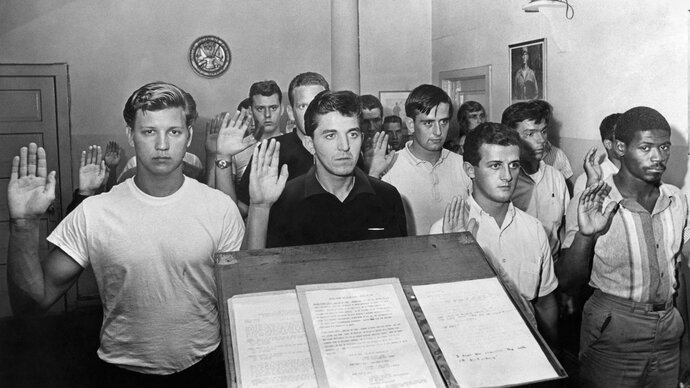
3. What age could a man be drafted?
Any time from age 18-26. Yes, the age range on paper is 18-25, but legally a man has up until the age of 26 to register during the period of liability. You can however be drafted up until the age of 35 if you have deferments for school, or you have a dependent.
4. How does the draft work?
A draft would use a lottery system, where the first priority goes to men turning 20 in the year of the lottery then follows the order of call. If additional soldiers are required, the next groups would be those turning 21, 22, 23, 24, and then 25, with calls progressing to age 18 if necessary.
4. What medical reasons would exclude you from a draft?
Certain chronic illnesses like Crohn's, diabetes, heart disease, lung disease, neurological disorders like epilepsy and head drama, significant physical disabilities like limb loss, major psychiatric disorders, and infectious diseases like active tuberculosis that could endanger others. Other factors include allergies causing anaphylaxis, conditions that prevent proper wear of military equipment, and conditions that require durable medical equipment.
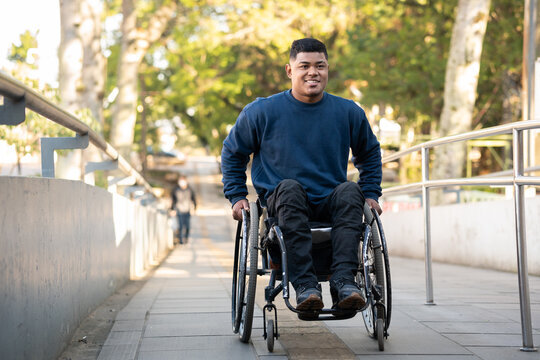
5. Is illness the only thing that can keep you from being drafted?
After you are called, you must be able to prove your fitness for service. Individuals are examined for mental, physical, and moral fitness before being inducted, deferred (for school or if you have an independent), or exempted from service. A person can also avoid a military draft through religious exemptions (you may still be required to serve in a civilian capacity that helps the war effort), occupational deferments, hardship exemptions, being too tall/short (min: 4'10/max 6'8) or overweight, or having a criminal record. Additionally, women are not currently subject to the draft in the US, and those who have already served in the military or are too old (over 26) can also be exempt.
6. Why is 26 the cut off age for selective service/the draft?
Younger men tend to be more physically fit and adaptable. They also tend to be without established families of their own or careers. After 26, the goal was to reduce life interruption and to allow men to begin families and move forward with their chosen careers.
7. Why weren't women drafted then and now?
When the draft laws were originally written, the U.S. military was largely male-only, with few roles available to women. Women were NOT allowed to serve in combat roles and thus there would be no point to a female draft registration as they would not legally be able to even serve in those needed positions in a war. In 1981, it was argued that the lack of a female draft was gender discrimination, however the Supreme Court in the case of Rostker v. Goldberg, upheld the ruling in favor of not having a female draft.
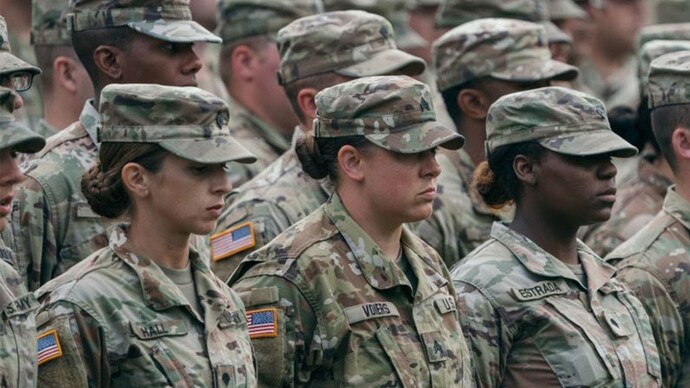
7. Okay, so again, why is there no female draft especially as the roles of women in the military have greatly been expanded?
It wasn't until 2015 where the rules against women in combat positions was finally lifted indicating there are now no more barriers for women to the law of a male only selective service. There were calls once again to enact a female draft. However, in 2021, The Supreme Court declined to hear a case (specifically, a challenge to the male-only draft by the ACLU) on the constitutionality of the male-only draft registration. The justices noted that Congress was actively considering legislation on the matter, indicating deference to the legislative process.
Despite passing the House committee and having some bipartisan support, the provision to include women in the Selective Service was ultimately removed from the final version of the FY2022 NDAA in December 2021 due to strong opposition from a group of conservative lawmakers in both the House and Senate. They accused the Biden administration and the Democrats which were pushing for the bill, of trying to implement a woke agenda at the Pentagon and asked them to "leave their daughters alone."
8. So what ARE your real odds of being drafted?
If you are a woman in the US, currently zero, but if you are an 18-26 year old male, uh, still very very very slim. Why? Well, just because you have been forced to sign up for the draft does not actually mean it can happen because your name is on some document.
-First, the opposition against forcing people to serve has been high since the last draft in 1973. It's not a feel good, win votes, win over the people kind of thing anymore as our attitudes about war and the horrors that come with it have vastly changed after Vietnam and the spread of social media. It's more like, you'll be responsible for the deaths of America's youth, sort of thing and we saw how people didn't appreciate that en masse in the 70s, even in violent opposition.
-Second to reinstate an actual draft, there has to be an actual need. Again, large voluntary army already, why do we need Todd who plays video games in his mom's basement?
-Third, it requires 3 complicated legal steps---it requires legislative action, presidential approval, and you need a crap ton of money and people and time and effort to mobilize that big of a war effort to actually draft these young men and navigate through a bureaucratic quagmire. If people are already in opposition to going to war, to forcing people into war, the likelihood of them wanting to help with this effort, would be slim, hence the problem with this method overall in modern times.





















Most Helpful Opinions