 Girl's Behavior
  Guy's Behavior
  Flirting
  Dating
  Relationships
  Fashion & Beauty
  Health & Fitness
  Marriage & Weddings
  Shopping & Gifts
  Technology & Internet
  Break Up & Divorce
  Education & Career
  Entertainment & Arts
  Family & Friends
  Food & Beverage
  Hobbies & Leisure
  Other
Other  Religion & Spirituality
  Society & Politics
  Sports
  Travel
  Trending & News


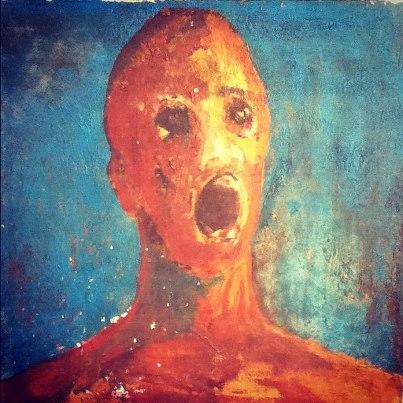
I always found art a boring subject in school. Never wanting to study it, only create it. When I eventually got into it, it wasn't the boring old Mona Lisa or Starry Night that did it (Two paintings that are good but terribly over-rated). No, it was the lesser known ones they fail to teach you about in school. So here are a few I find both fascinating and terrifying.
The Nightmare - Henry Fuseli
Fuseli's most famous painting, The Nightmare, may not seem creepy in the traditional sense. The incubus, by today's standards, looks a little like a cartoonish gremlin, for example. But the dream-like, surreal quality of the piece has kept its legacy alive. Even during the artist's lifetime, the work was so popular that he created an even creepier alternate version.

Judith Beheading Holofernes – Caravaggio
In the deuterocanonical Biblical story of Judith and Holofernes, Judith charms Holofernes with her beauty, gets him drunk, and then decapitates him, just like an episode of Game of Thrones. While the story has inspired hundreds of artists throughout history, Caravaggio's is easily one of the most gruesome interpretations.

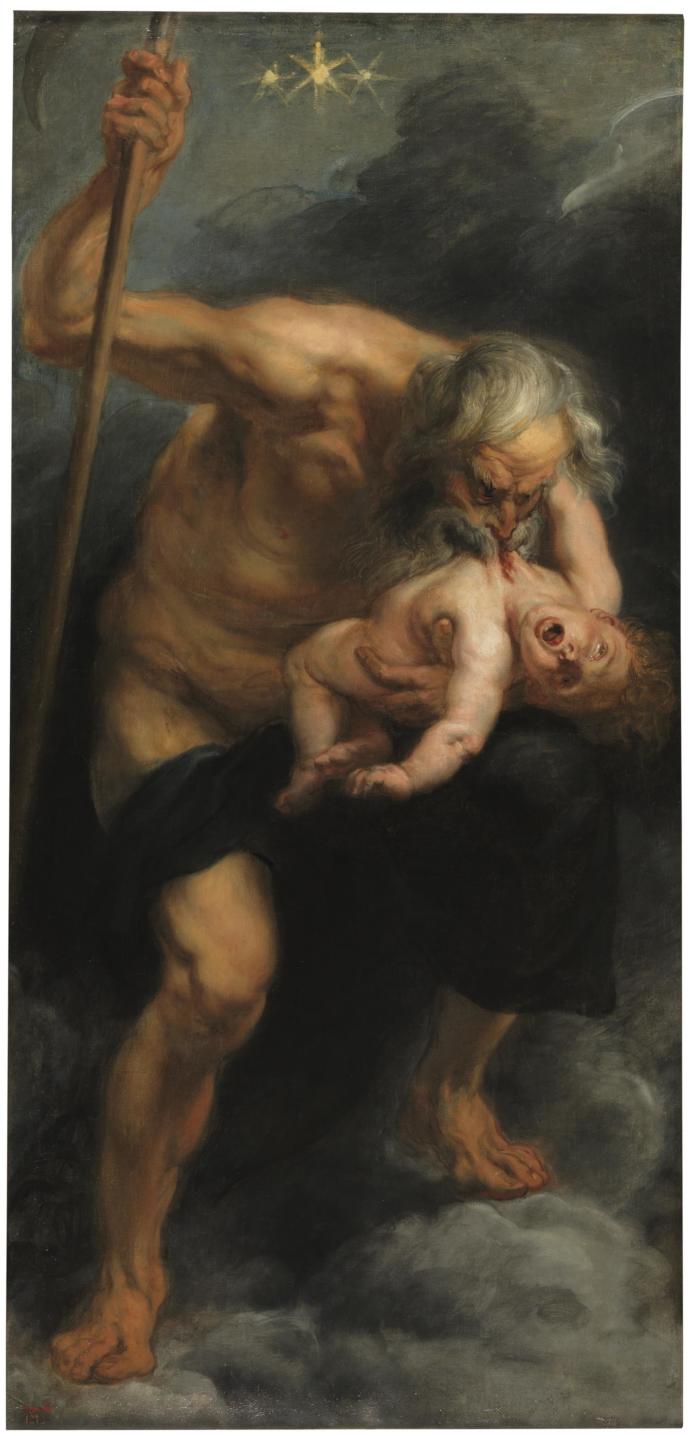
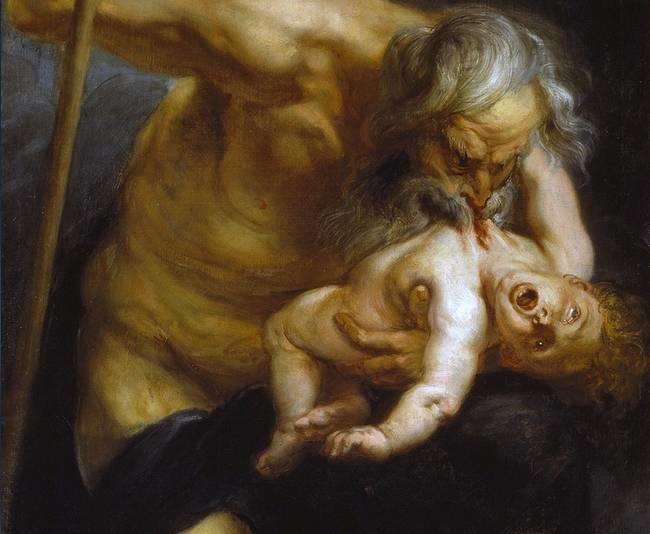
Saturn Devouring His Son – Francis Goya
In Greek mythology, the titan Cronus (Saturn in Roman texts), fearing that he would be overthrown by his children as he had usurped his own father, began swallowing each of them whole. (They're later purged, still alive, by Zeus.) However, in Goya's take on the tale, painted as a mural on the wall of his own house, a deranged-looking Cronus violently consumes them piece by piece instead.

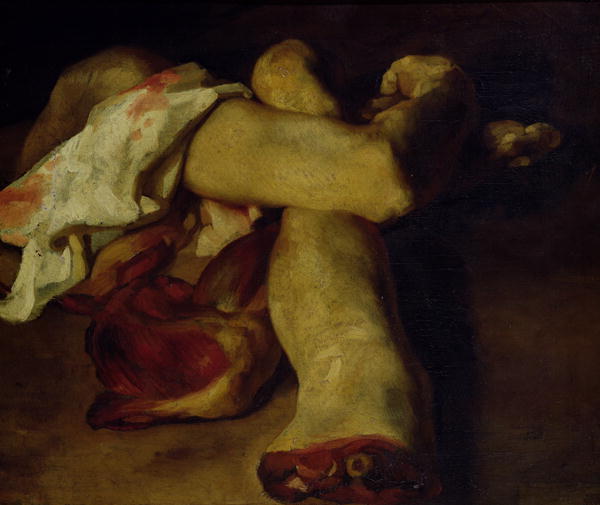
Anatomical Pieces - Théodore Géricault
This is but one of a series of works featuring disembodied body parts (including a painting of a pair of severed heads, equally as unsettling as this one) painted by French artist Théodore Géricault. The most disturbing part is that all the paintings were based on real model remains Géricault acquired from the Paris Morgue.
The Triumph of Death - Pieter Bruegel the Elder
An army of skeletons attacks peasants and royalty alike in Bruegel's The Triumph of Death. Every inch of the painting presents some new horror committed by the army of death. Although it's commonly mistaken as being a depiction of the Black Plague, it was actually painted over 200 years later.

The Garden of Earthly Delights - Hieronymous Bosch
This is but a detailed view of just one part of Bosch's famous Garden of Earthly Delights. The original is a triptych--a single work split among three panels--and the section here is merely from the bottom-right of the right-hand panel.































Most Helpful Opinions