 Girl's Behavior
  Guy's Behavior
  Flirting
  Dating
  Relationships
  Fashion & Beauty
  Health & Fitness
  Marriage & Weddings
  Shopping & Gifts
  Technology & Internet
  Break Up & Divorce
  Education & Career
  Entertainment & Arts
  Family & Friends
  Food & Beverage
  Hobbies & Leisure
  Other
Other  Religion & Spirituality
  Society & Politics
  Sports
  Travel
  Trending & News

MyPlate is an American government resource for promoting healthy food choices and eating habits. You can find the resource here (link: https://www.supertracker.usda.gov/myplan.aspx). You should ignore what type of body you should have to look attractive/hot. Instead of going for a certain physique, which may be unattainable, you should go for adequate, balanced nutrition and keep your vital organs, the brain and the muscles (including the heart), healthy and strong. You may not be the best-looking person in the world; you may not have high cheekbones; but at least you have the smarts and brains to get a very well-paid job because of the nutritious foods you eat!
Instead of going for a certain physique, which may be unattainable, you should go for adequate, balanced nutrition and keep your vital organs, the brain and the muscles (including the heart), healthy and strong.
MyPlate suggests AT LEAST 150 minutes of some kind of physical activity per week. Obviously, if your job mostly involves physical labor and movements, then that would easy for you. If your job is a white-collar office job, then you should always take the stairs instead of the elevator or park the car very far away from the workplace building, and at home, you should do all the housework as manually as possible. If you live about 2 miles from the library and 5 miles from the shopping center, then you may consider walking or biking to the locations instead of driving a car. You save money on gas, and you add more physical activity into your daily life. You are also not doing something unproductive, like sitting on an exercise bike in the gym and watching mindless TV without really going anywhere. The hillier your region is, the better it is. Hilly roads are good, because they force you to output more energy than a flat surface. The more you bike, the stronger you will become, and the quicker you can ride up the slope without stopping. Housework (including gardening) and running errands (preferably by walking, running or biking) are usually very physically stressful, but at least it's the most economical way to keep your house in good condition and yourself active. Doing housework for 150 minutes should be a breeze, as that means only 2 hours and 30 minutes. Time passes quickly when you're doing nothing but housework!
Required caloric intake depends on various factors -- age, sex, height, weight, and physical activity level. For me, my required caloric intake is probably going to be 1800 calories per day. This resource helps you find your daily checklist, so you know how much you should be eating per day. You should adjust the checklist to your personal preferences, food allergies and sensitivities, culture, tradition, and budget.
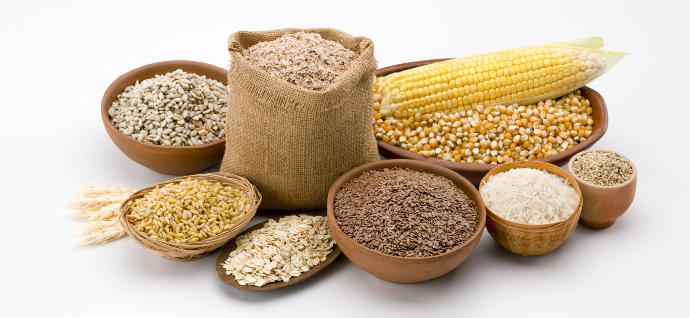
Grains
You don't have to buy all whole grain. You can just make half your grains whole.
For me, I eat rice every day as the main source of calories (hence the term, staple food) and as a reflection of my cultural background. In my house, I have one big sack of brown rice, one big sack of white rice, and one big sack of basmati rice. Rice lasts much longer than bread (1-2 weeks), making rice an economical source of grains. Brown rice and basmati rice are good for serving dry food. White rice is softer and thus good for serving rice porridges.
According to the daily checklist, I have to eat about 6 ounces of grains. Well, one-half cup of cooked rice is 1 ounce. One whole cup is 2 ounces. Eating 3 cups of cooked rice in one day makes 6 ounces. Each cup of cooked rice is about 200 calories. So, that provides me with a total of 600 calories in grains. If I take out my staple food source (rice), then I would eat about 1200 calories, which is low enough for a safe weight loss. I can get all the carbs I need from fruits and vegetables. If I want to maintain my weight, then I just have to add my staple food in. See how easy that is?
Vegetables
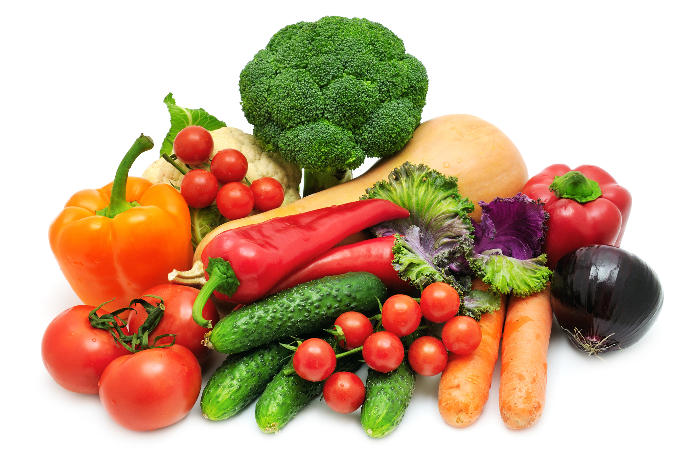
For vegetables, it is good to eat all the colors of the rainbow.
For me, vegetables usually complement the rice. They are typically stir-fried, cooked in soups, or steamed. At different times of the year, certain vegetable products at different grocery stores will be on sale, so the types of vegetables in my refrigerator reflect on what is currently cheap on the market. I typically eat fresh green, red, orange vegetables and legumes in the refrigerator, but I do have some frozen vegetables stocked in the freezer.
According to the daily checklist, I have to eat about two-and-a-half cups of vegetables. One cup of raw or cooked vegetables counts as one cup of vegetables. I don't drink vegetable juice, because store-bought vegetable juice tends to be pricy, and because I don't have a juicer. I also don't eat salad that much, because eating salad or raw vegetables is not part of my cultural background. Growing up in a Chinese immigrant household, I have always eaten vegetables cooked. However, I have adopted some of the American ways by eating crudités, salads, baby carrots, and celery sticks; and they taste quite yummy!
In the morning, 6 baby carrots can be eaten to fulfill 1/2 cup of vegetables. At noon and night, 1 cup of leafy green vegetables can be eaten. I just eyeball the amount of dry rice and vegetables. They should be the same in volume.
Meats & Legumes
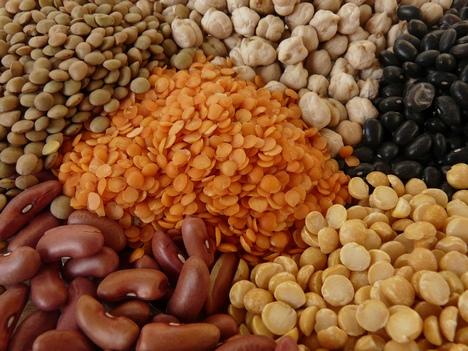
MyPlate uses the term "proteins" for protein-rich sources. I use a specific term, "meats and legumes," because they are rich in protein. It is important to eat a variety of protein-rich foods.
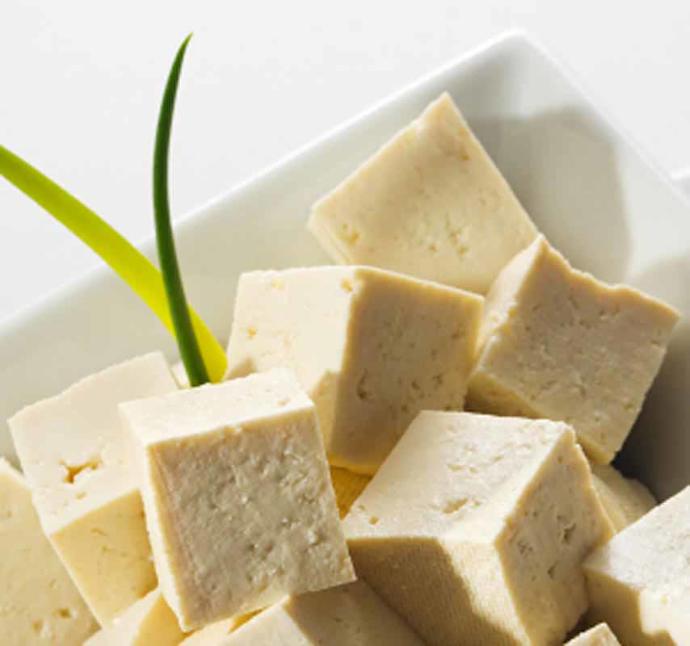
For me, meats and legumes (including tofu and dried tofu) usually complement the rice and are prepared in the same manner as the vegetables. When my parents were growing up in China, tofu might be the only protein-rich source, because meat was rationed and scarce. Times changed. As people become wealthier in China as well as in India, meat consumption increases. Growing up in the States for about 80% of my life and 20% of my life in a wealthier China, I tend to eat more meat in a week than my parents did in a month.
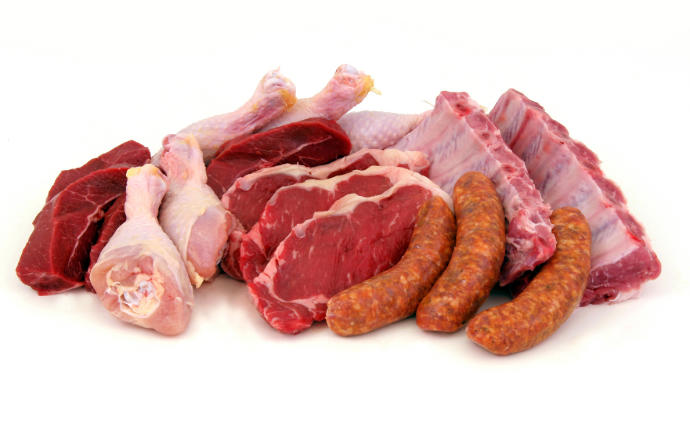
According to the daily checklist, I have to eat about 5 ounces of protein-rich foods. One ounce of protein-rich food may be one hard-boiled egg, one tablespoon of crunchy peanut butter for celery sticks, one ounce of lean red meat/poultry/seafood, 1/2 ounce of nuts/seeds, or 1/4 cup of cooked beans or peas. The chicken drumstick looks pretty large, and the package says that each serving size is about 4 oz. Assuming that 1 drumstick equates to 1 serving, I should just eat 1 chicken drumstick. Adding one hard-boiled egg will give me one extra ounce.
Fruits
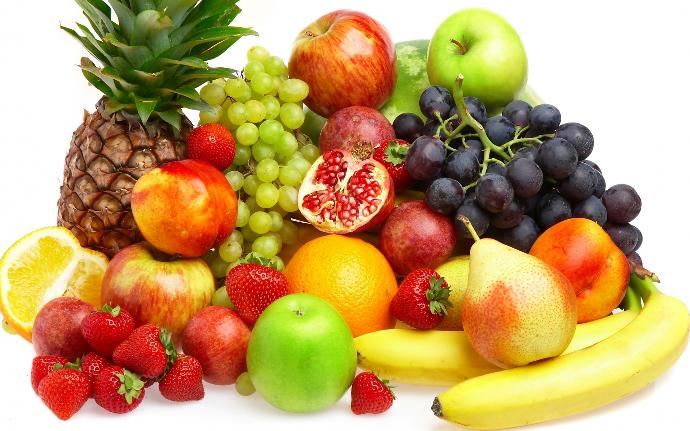
For fruits, it is good to focus on whole fruits -- fresh, frozen, canned, or dried.
For me, fruits are typically eaten as a snack or a simple dessert. It is summer, which means watermelon time!
According to the daily checklist, I have to consume one-and-a-half cups of fruit. Six melon balls of watermelon make half a cup. I think I eat bigger than that, so I probably consume 1-2 cups of watermelon in a day.
Dairy
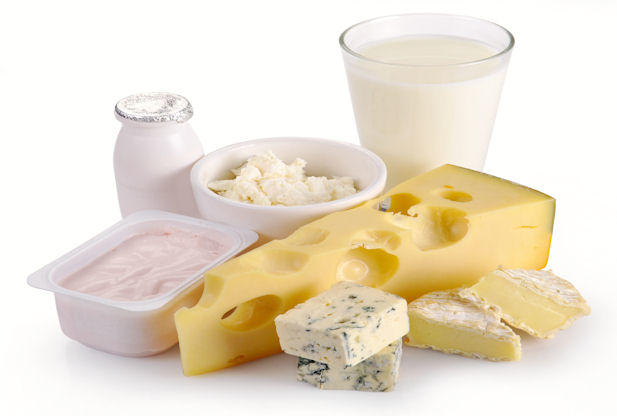
For dairy products, low-fat or fat-free dairy product is preferred.
For me, I have never been a heavy consumer of dairy products. First, it's not part of my cultural background. Second, I can get my vitamin D, calcium, protein, and fat from the vegetables and meats. Third, most adults in the world have some degree of lactose intolerance, unless they are of European origin.
According to the checklist, I have to consume 3 cups of dairy products. I still have 2 containers of yogurt in the fridge. Each container is about 5.3 ounces of Chobani Greek Yogurt. What that means in cups, I have no idea. Once those two containers are consumed, I will probably not consume dairy products for the next few months or about a year. I try to limit my dairy product intake, because I know dairy products may contain high salt and high added sugar.
Oils
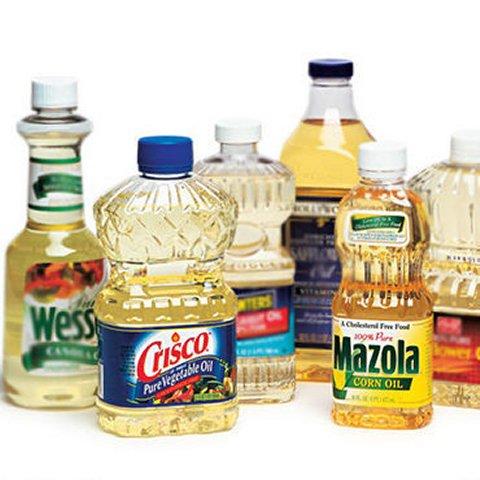
A little bit of oil is used in stir-fry cooking. I am not going to count that as food. The oil is minimal, so I don't think it will cause much of a problem.
Sodium
Sodium should be limited to 2,300 milligrams a day. This can easily be done by minimizing the consumption of processed foods, prepared meals, or restaurant foods.
Added Sugars
Added sugars should be limited to 45 grams a day. This can easily be done by minimizing the consumption of processed foods, prepared meals, or restaurant foods.
Trans Fats
Trans fats should be always avoided. This can easily be done by minimizing the consumption of processed foods, prepared meals, or restaurant foods.












What Girls & Guys Said
Opinion
1Opinion
I can easily adhere to all of that except the veggies. I hate veggies and will only be able to stomach potatoes or possible corn. But those are often counted as grains.
Did your parents eat vegetables?
no, because veggies are gross.