 Girl's Behavior
  Guy's Behavior
  Flirting
  Dating
  Relationships
  Fashion & Beauty
  Health & Fitness
  Marriage & Weddings
  Shopping & Gifts
  Technology & Internet
  Break Up & Divorce
  Education & Career
  Entertainment & Arts
  Family & Friends
  Food & Beverage
  Hobbies & Leisure
  Other
Other  Religion & Spirituality
  Society & Politics
  Sports
  Travel
  Trending & News

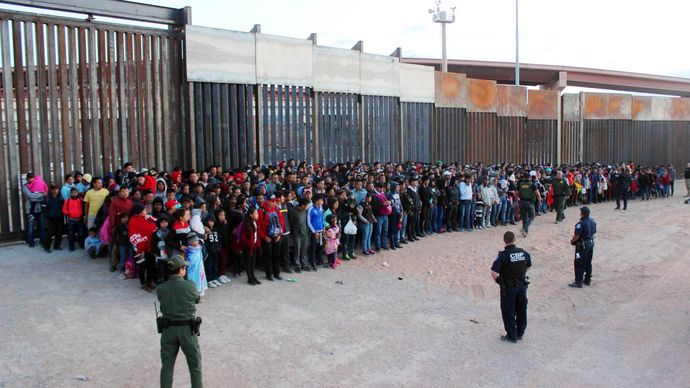
Migration is not new to my country—Nicaragua. For decades there has been a wave of fellow nationals, migrating to Costa Rica and Panama. There, they've started over, away from family and friends. Few went north and successfully established in Mexico, the US and Canada. A minority went elsewhere; wherever that could provide a higher quality of life.
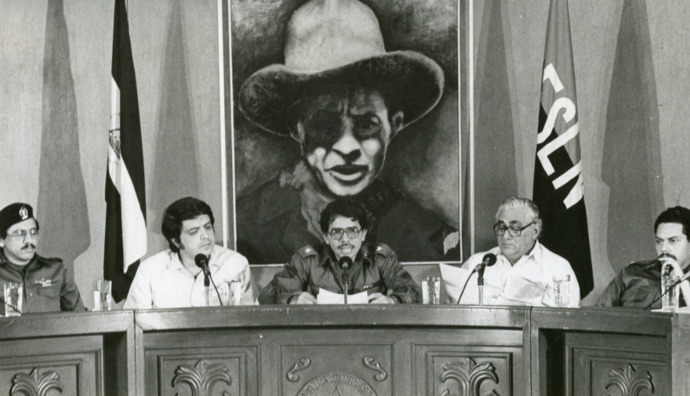
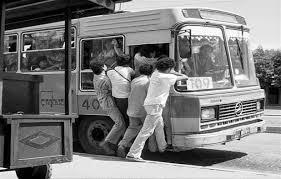
Between the 70s and 80s, the migration increased exponentially. The ongoing war obligated thousands to leave their homeland. Finally, in 1990, the war ended, the FSLN (ruling party) lost its power against the UNO (Union Nacional Opositora), in democratic elections. From there on, the economy was back on track, education was improving, the country was fairly secure—compared to other Central American countries—, and migration stabilized.
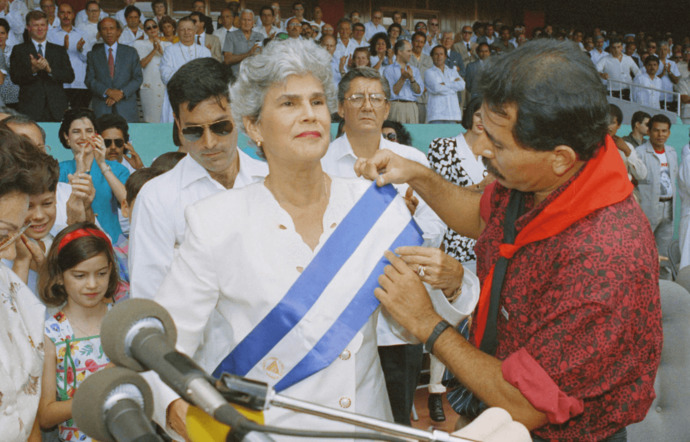
My entire childhood I lived in the 90s. In the 2000s I experienced my teen years. That lapse of time, democracy perdured.
Exactly, from the events of 2018, the migration grew. People, in Nicaragua—myself included: stop feeling safe. I could no longer take a walk and feel free of taking pictures, without facing the real risk of being detained.
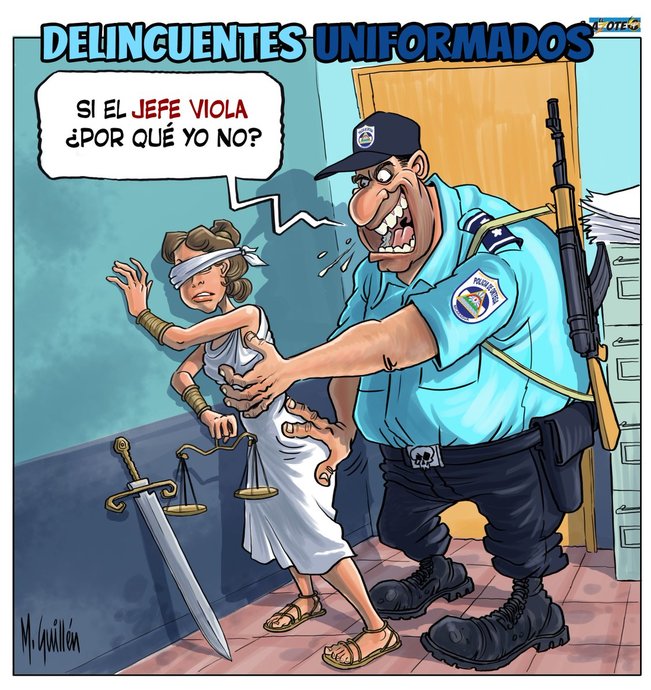
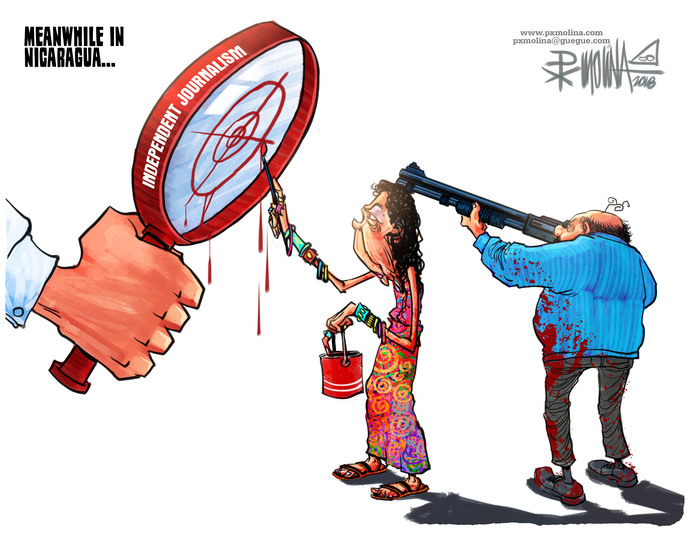
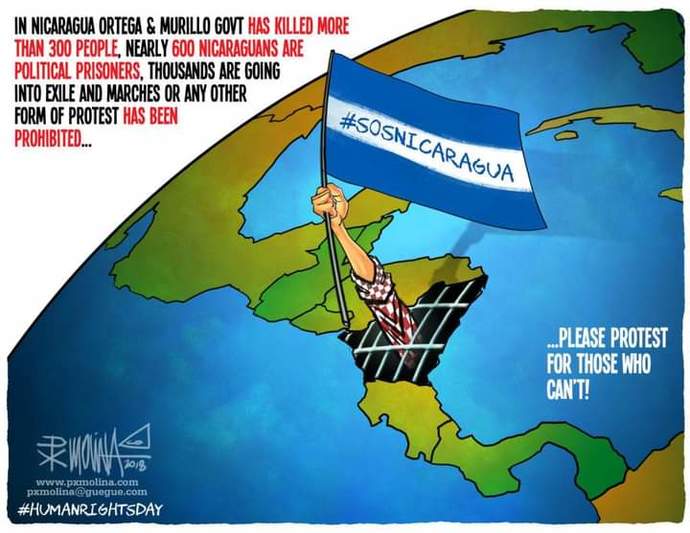
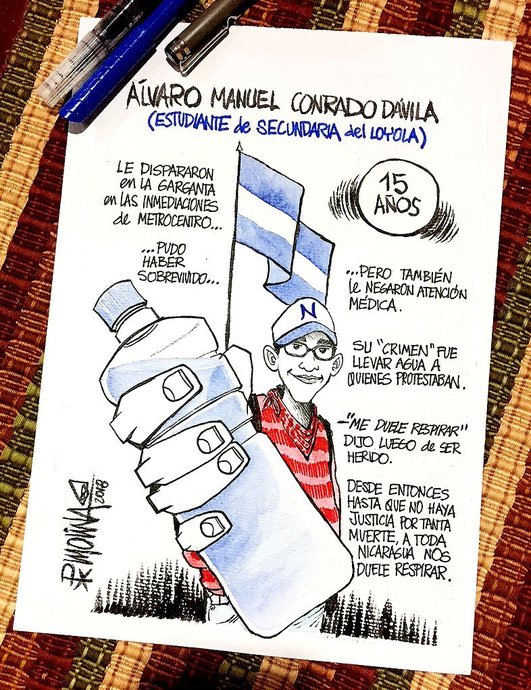
In the coming years, migration increased. Costa Rica registered 180,000 assylum aplication—89% of the applicants were Nicaraguan; a frequency never seen before by the neighboring country. Not even during the 80s.
The United Nations notice a worrying increase of Nicaraguan migrants. In September, 2021: 3,164 Nicaraguans migrated to the US. A year later, that number grew exponentially: 92, 037 were detected, lately, on their way to the US.
According to the UN, the actual migration wave is worst than the one that happened in the 80s—In the first Sandinista dictatorship.
Who are exactly the migrants, why they are travelling illegally to the US?
The migrants are from different backgrounds. Some—believe it or not—are professionals (professors, engineers, business men/women, biologist, etc). Others were college students who couldn't finish their carrier. Another part of the migrants don't have an academical formation, but they are hard working people with the capacity of doing jobs most would hesitate to accept. Jobs like: working in construction, cleaning up the streets, working as a gardener, or as maid, or in housecleaning, etc.
I am sure most are migrating with good intentions; although, sadly, not all of them are migrating with a harmless porpoise, by heart.
Among the noble migrants, there are those who are running from their crimes and those who are running to the very place they commited a crime.
Weeks ago I read a case of an inmigrant who was arrested in the US, after he was identified as the author of a murder, in US territory, around the 90s. He now lives in the US, locked up in a jail.
It seems even a US jail is better than living under the shadow of the Sandinista regime.
An interesting portion of the migrants are Sandinistas. They know that they will never be able to travel legally to the US, so they possibly create a false ID, in hope to trick the US immigration system; once in the US-Mexico frontier.
Those Sandinistas who opt for going to the US and to countries like Spain—another destination many nationals consider—are the ones who for one reason or another, stop receiving the benefits of the ruling party, but still identifie as "Sandinista", despite knowing how unwanted they are by the countries elected by convinience.
Personally, I think most fall as economical migrants. Not all fit the requirement of a political assylum; not all are politically persecuted.
Valid economical concerns and security concerns are the main reason why thousands from my homeland—and from Venezuela—are running away to the nearest developed country.
What all of them have in common?
Beside the growing crisis, all share in common the sorrow of leaving their home and the hope of finding a better place, for the sake of their future and the future of their beloved ones.
Thanks for your time.












What Girls & Guys Said
Opinion
2Opinion
I am so very fortunate to be a citizen of the US by birth (and a lifelong resident of the State of Florida by the grace of God.) Not once in my 67 years have I ever needed to contemplate emigrating to another country.
By the way, your English is remarkably good for someone who has never lived in the US and who was educated in a third world country!
Yeah, I believe several in developed countries don't know how fortunate they are. Is good to know you're concious about the privileges you have.
My English level is thanks to the teachers and professors I had; and the fact that I studied in a private school😅. If it wasn't for that, I would be using GaG Spanish version.
Thank you for sharing this. It's interesting to learn more about Nicaragua and its people since I don't hear much about it on the news.
I totally understand why so many Nicaraguans leave their country and their family behind. Unfortunately, like you said not all of them are seeking better life conditions, some are criminals. The problem is that once they get to another country is almost impossible to know who is being honest and who is not.
It's really shocking to know that a student was killed just for giving water to those who were protesting. And even more shocking to learn that he didn't get medical help. I suppose that doctors and nurses are being threatened by the government, so they're helpless.
Hopefully things will get better.
Indeed, doctors were threatened then, and they still are; although, his injury was letal. He received a shot in his kneck.
Let's see what happens😐
Oh, so they really wanted to kill him. This is awful!
I just hope that the situation doesn't get worse. 🤞🏽
No one is really sure if it was a lost bullete, or if it was done by a snyper. Either way, people were being shot.
Thanks❤️. Please share what's going on in my country. I can pass you the names of independent news media's that investigates the situation in the country. If you are ok with it, I'll DM you.
I can imagine. In a dictatorship no one is truly safe, and people are killed for no reason.
Sure, feel free to message me. :)
that is not a real refugee from real danger.