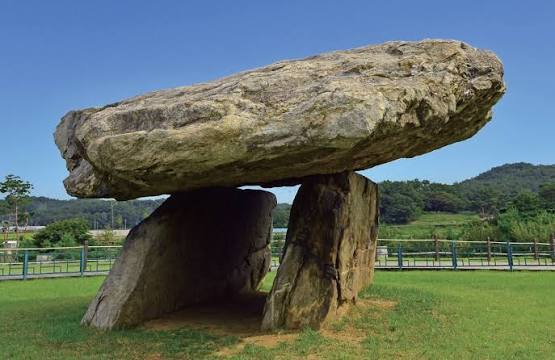
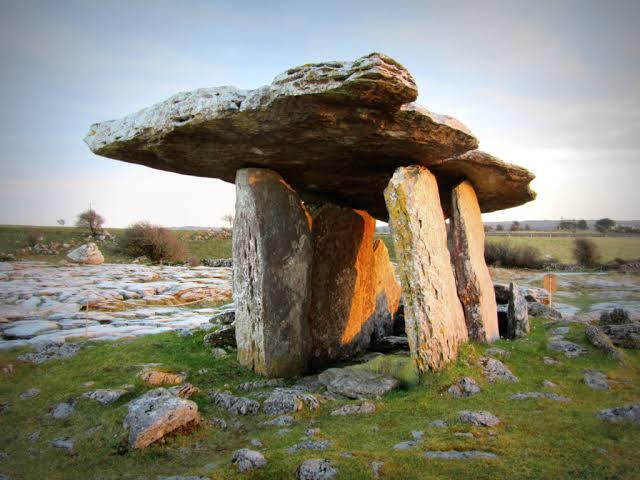
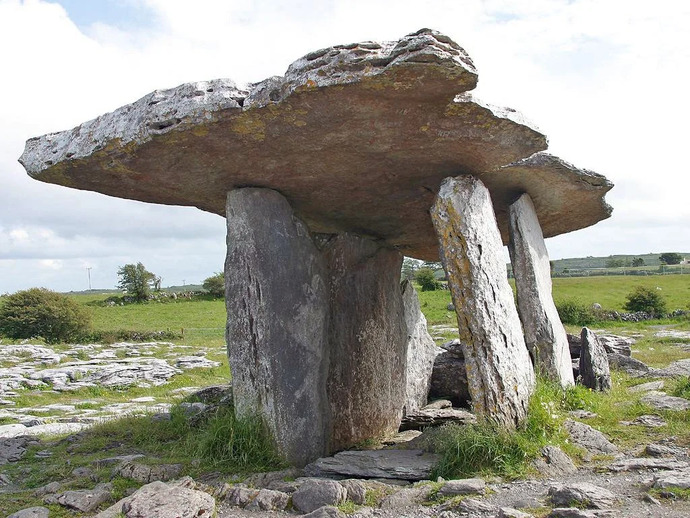
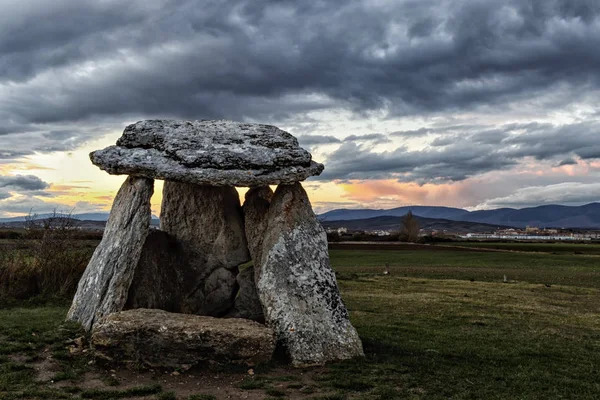
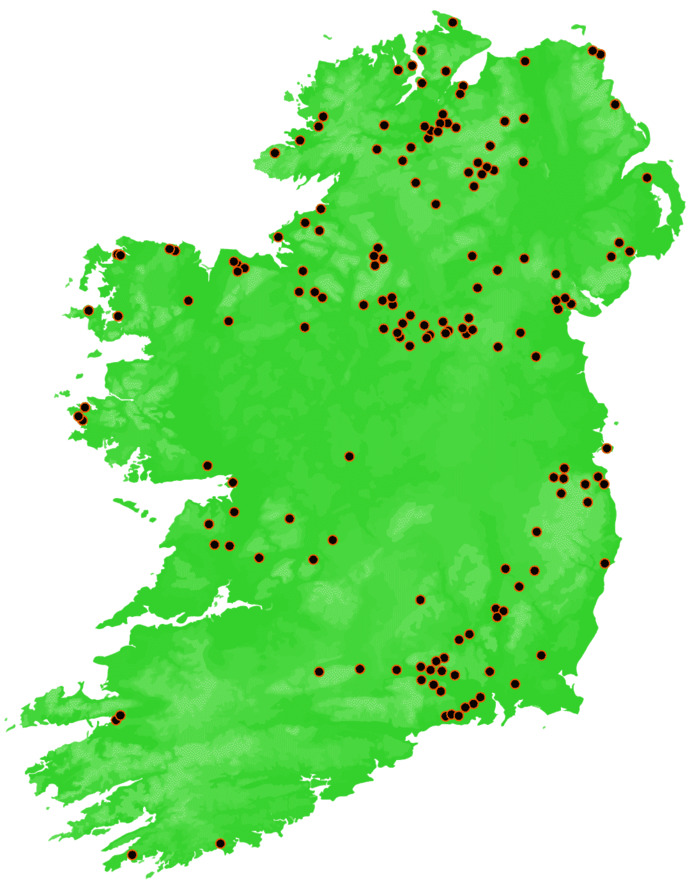



I saw some in Ireland. They're cool. A lot of effort went into building those suckers.
Here are theories about their purpose.
Primary Functions:
Burial Sites: Most experts agree dolmens were built as tombs, often for elites, with evidence of human remains and grave goods like tools, pottery, and weapons found inside or nearby, reflecting beliefs in an afterlife.
Commemoration:They marked the resting places for the dead, honoring ancestors and possibly symbolizing their continued importance, as seen with burial urns for commoners near dolmens for high-status individuals.
Secondary & Ritual Functions:
Ritual & Worship Centers: Dolmens were likely focal points for ceremonies, offerings, and cult worship, possibly to earth goddesses or sun deities, acting as sacred spaces.
Astronomical Markers: Some dolmens may have been aligned with solar or lunar cycles, serving astronomical purposes.
Shelter: A theory suggests larger dolmens, especially those covered by mounds, might have been used as temporary shelters from harsh weather or celestial events.
Storage: They could have functioned as stone vaults to protect valuable items like food, metal, or other treasures.
Cultural Significance:
Social Organization: Their monumental construction required significant planning, showcasing sophisticated social structures and communal effort.
Symbolism: Dolmens represented a deep connection between humanity, nature, and the spiritual world, marking territory and expressing beliefs about mortality
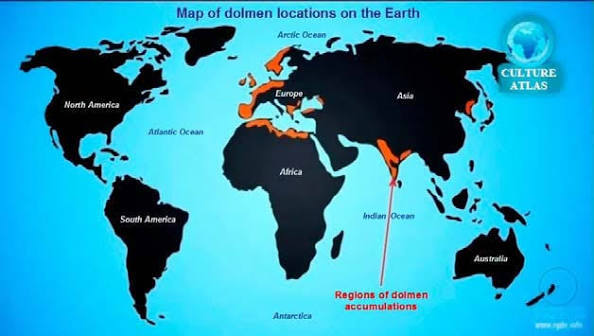
What's hard to explain is why they appeared in so many places.
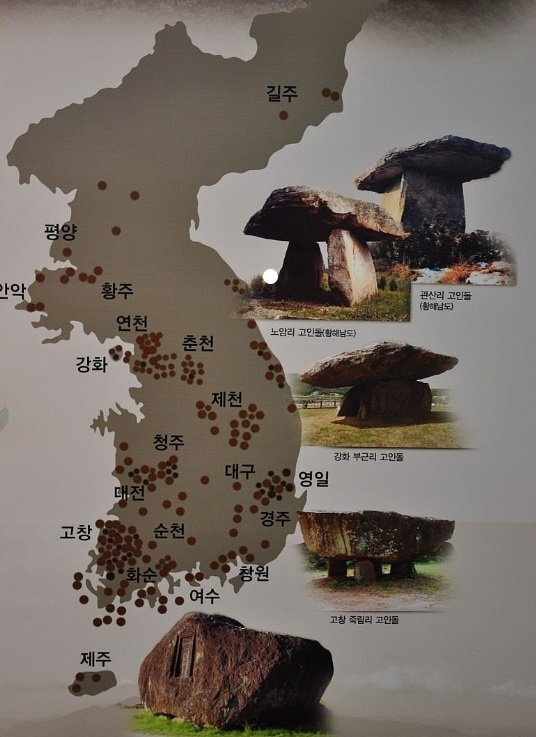
Dolmens appear in Europe, North Africa, India, and Korea during the Neolithic and Bronze Age, but evidence for a single, common, and direct diffusionist source is debated. While some early 20th-century theories suggested diffusion from a central source, current archaeology generally views them as resulting from, at least in part, independent, parallel, or convergent evolution by early agricultural societies.
Key Points on Dolmen Origin Theories:
Cultural Diffusion vs. Independent Invention: While some scholars historically proposed that Aegean-origin prospectors brought the concept of megalithic architecture to other regions, the wide geographical spread and differing time periods suggest that many cultures arrived at the idea independently due to similar cultural needs and social structures.
Common Purpose: Across various regions, including Europe and Korea, dolmens often served as communal, elite, or ancestor-worship tombs that required massive mobilization of labor.
Regional Variations: Dolmen types vary significantly; for example, North Korean dolmens, often from the Mumun pottery period, differ in structure from Western European megaliths, suggesting distinct local development.
Universal Human Expression: The "language of stone" could be a shared, universal human response to the desire to mark, honor, and define spaces of worship or burial rather than a single originating culture.
While cultural diffusion likely occurred in some regions, the evidence does not support a single, universally accepted origin point for all dolmens globally.
They look like some form of shelter, and when you don't have any technology like we do nowadays, you become pretty inventive/innovative with how you build things. So while we might not be able to fathom just how they accomplished those structures, there was probably a simple, primitive trick to propping them up.
Actually I just looked it up out of curiosity. Humans in the stone age and agricultural periods were significantly stronger and had more robust bone structures than modern humans. Their daily lives, involving high-intensity, full body labor, hunting, and foraging, resulted in superior bone density, greater grip strength, and more developed musculoskeletal systems.
Apparently, their bone density and strength 7400 to 7000 years ago was 11-16% stronger than modern elite athletes.
By that logic, it's very well possible that they accomplished this with manpower that we can't have fathomed
Yup my dentist actually shared that with me lol
Originally they would have been covered with an earth mound and used as burial chambers.
As far as I know they started in Brittany and spread from there. Just shows how far people were travelling around back then.
To hide from evil aliens
Opinion
8Opinion
Probably some kind of shelter or Sun worship thing. I'd be more interested in HOW they built them!
AMAZING how the one in India looks EXACTLY like the one in Ireland!! They're the exact same shape and even have the exact same scars and dents in the stones!! Even the distant landscape and trees back there look exactly the same!!
It is very clear. They were stone age shelter sheds for the kiddies to play in when it was raining.
Shelter from weather and animals when traveling on foot. Similar to bus stops and rest stops of modern day today
They were used to keep the rabbits out.
Rabbits didn't exist back then. They were spread from Spain across Europe much later by the Romans
@purplepoppy this is true. The Norman's brought them to Ireland from England.
It's why there's no native word for rabbit in Britain or Ireland
@purplepoppy technically rabbits are an invasive species. Little story; fur farming was banned in Northern Ireland in 2002 so on a mink farm in fermanagh as the minks were all going to be exterminated a group of woke eco activists decided to release them all from their cages. Now those minks are recking havoc on the local wildlife and farms. Minks aren't native to Ireland.
The advice these days is to kill them on sight. I've only seen one and that was in Shrewsbury in the park. Every dog that spotted it went berserk to get it
@purplepoppy talking to a farmer a while back. He shot 10 in one day.
They were built by early IKEA designers.
The town of Bedrock.😆
To honor their gods.
They were used as tombs or burial sites
Looks photoshopped
Those were usually burial sites.
Rain is cold.
To double down ran is cold but I want to be here so build shelter. Extra effort now less effort over time.
It's not rocket science but the same logic still applies.
Let's put some extra smart even double effort when times are good in this project so we can be lazy have an easier time when times are not great.
"The most powerful force in the universe is compound interest." – Attributed to Albert Einstein
You can also add your opinion below!