 Girl's Behavior
  Guy's Behavior
  Flirting
  Dating
  Relationships
  Fashion & Beauty
  Health & Fitness
  Marriage & Weddings
  Shopping & Gifts
  Technology & Internet
  Break Up & Divorce
  Education & Career
  Entertainment & Arts
  Family & Friends
  Food & Beverage
  Hobbies & Leisure
  Other
Other  Religion & Spirituality
  Society & Politics
  Sports
  Travel
  Trending & News



The Tonopah Test Range (TTR) "Area 52"
Although ideal for testing, the Groom Lake test "Area 51" was not a suitable location for an operational base, so a new covert base had to be established for the 4450th TG operations.
The TTR base was opened in 1957 by Sandia Laboratories under DOE contract for the development of delivery systems for atomic weapons. Eventually, the installation and its 6,000 ft asphalt runway was abandoned. The location had the potential for improvement and expansion, with the only public land overlooking the base miles away. Although not as hidden as the "Ranch", the base would be remote enough to operate the Senior Trend aircraft under total secrecy. However, the security surrounding the Tonopah Test Range was so effective that the new base was not publicly reported until 1985, after it had been operating for nearly two years.
The Tonopah Test Range (TTR) is a 525 square mile area (625 square miles according to new information...it apparently expanded) located at the very north end of the Nellis Complex, about 32 miles southeast of Tonopah, Nevada and 140 miles from Las Vegas, Nevada. The primary (paved) access is off of Hwy 6 at the north end of the facility. Dirt road access points also exist on the south and east sides of the range.
Provides research and development test support for the Department of Energy's weapon programs. The range also offers a unique test environment for use by other Government agencies and their contractors.
The Tonopah Test Range is a restricted military installation located about 30 miles southeast of Tonopah, Nevada. It is part of the northern fringe of the Nellis Range,
Tonopah Test Range is located about 70 miles northwest of Groom Dry Lake, the home of Area 51.

Operations Control Center
position is primarily responsible for range airspace and providing test status to fielded operators during test operations. By means of monitoring the graphic displayed run-in line of the Test and Evaluation Command and System (TECCS), Range Control follows the test aircraft's flight path and provides location status, countdown to camera activation, and test unit release point.
In conjunction with the Test Director, Range Control coordinates real time airspace use and operations with Silverbow Tower at the TTR Airfield, Nellis Air Traffic Control Facility (NATCF), and Nellis Air Force Base Range Control Operations Center (Blackjack). TECCS input displays from the Federal Aviation Administration (FAA) radars aid in acquisition and tracking of aircraft entering, within, and exiting the restricted airspace reserved by TTR.
The restricted airspace over TTR is controlled by the Nevada Test and Training Range, formerly the 98th Range Wing, located at Nellis Air Force Base.
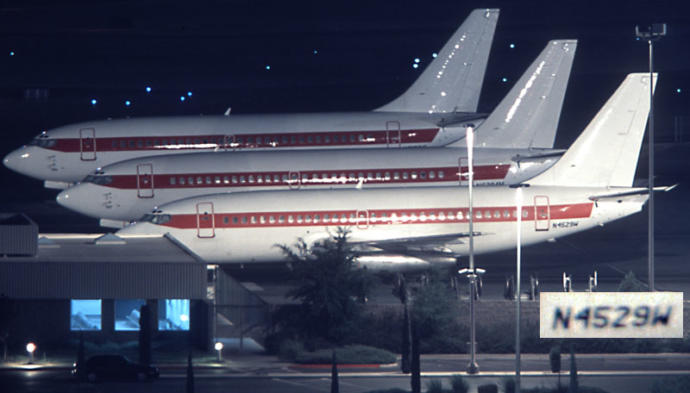
Transportation To the TTR
The Defense contractor EG&G operates a private terminal in Las Vegas, and it has been reported using several different aircraft, including six different Boeing 737s using the “JANET” call sign, and “N” numbers registered to the United States Air Force.
thousands of people are flown in from Las Vegas daily, to keep Tonapah Test Range, Area 51 and other classified bases in the area operational.
Capabilities
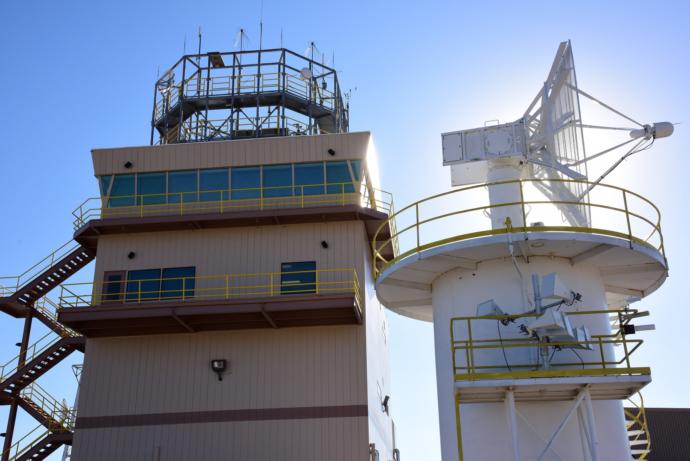
capabilities such as modern electronic tracking instrumentation and data acquisition systems, TTR assures customers' complete and accurate test data. TTR also provides facilities, a large land area, and the security to conduct a wide variety of tests.
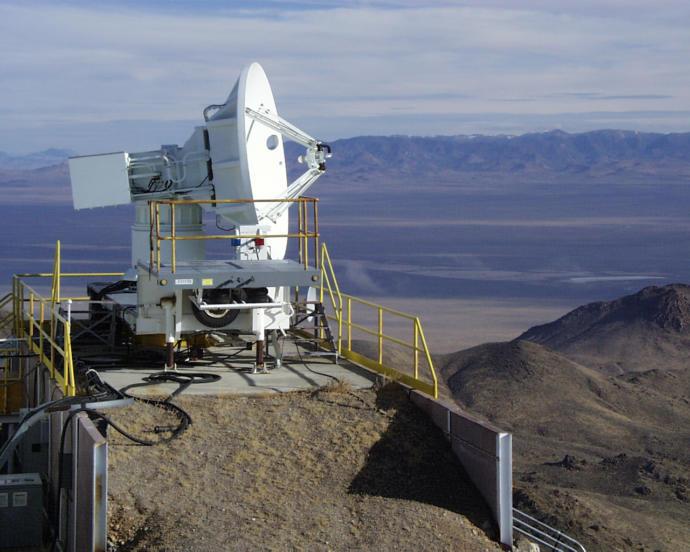
Radars at TTR provide data used for range safety, aircraft control, quick look data, and target acquisition and slaving for optics and telemetry systems on the range. All systems are capable of radar, optics, and beacon tracking.
They are sited at elevated positions around the range to provide maximum coverage and minimize the effects of ground clutter.
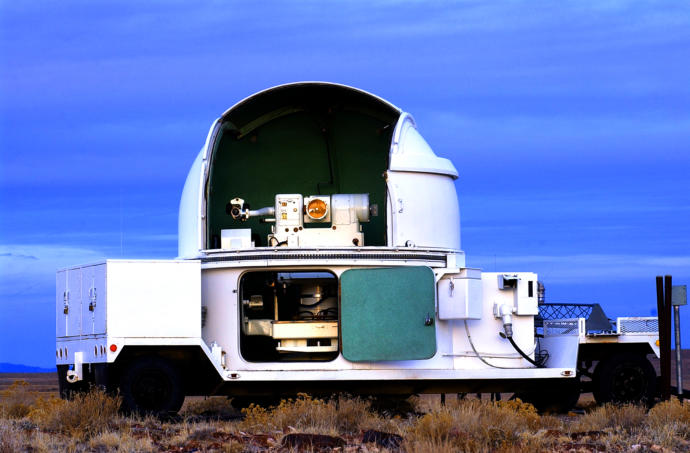
Cinetheodolites are used to record Time Space Position Information (TSPI). These instruments utilize 21 bit optical encoders to record the angular position from the mount location to the test object. By triangulating the vectors generated by 3 or more units, the geospatial position of the test object can be determined to within one cubic meter.
The instruments can be slaved to TTR's tracking radars for target acquisition and ranging information for camera focus. Each mount utilizes a digital camera for image capture; has a computer on board to create metadata, record data, and control operations of the mount; and a fiber optic slip ring to remotely transfer data onto and off the pedestal.
Currently all cinetheodolites must be manned during operations; however, development is underway to allow mounts to operate in either a manned or unmanned configuration.
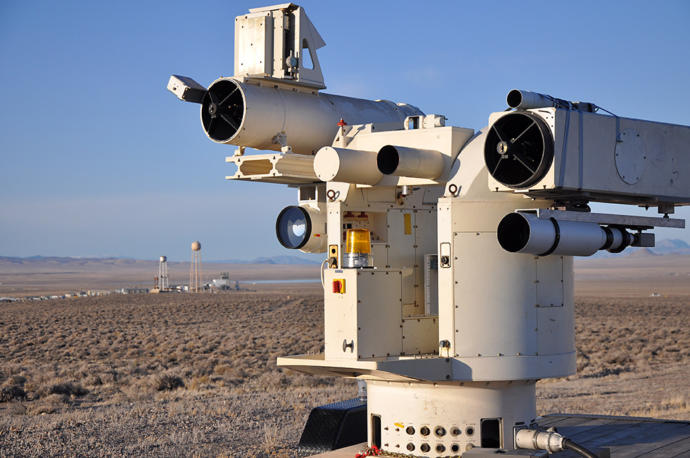
The R&D Tracking Telescope is a Research and Development platform that can be used to record event data. The mount can also be outfitted with an NTSC or high speed video camera to document the event, as well as provide real time video feed to the Control Point (CP) for situational awareness. The instruments can be slaved to TTR's tracking radars for target acquisition and ranging information for camera focus.
The platform acts as a testbed for new imagers and auto-tracker/remote operations development. The R&D mount is a universal platform which can accommodate up to two additional customer provided sensors.
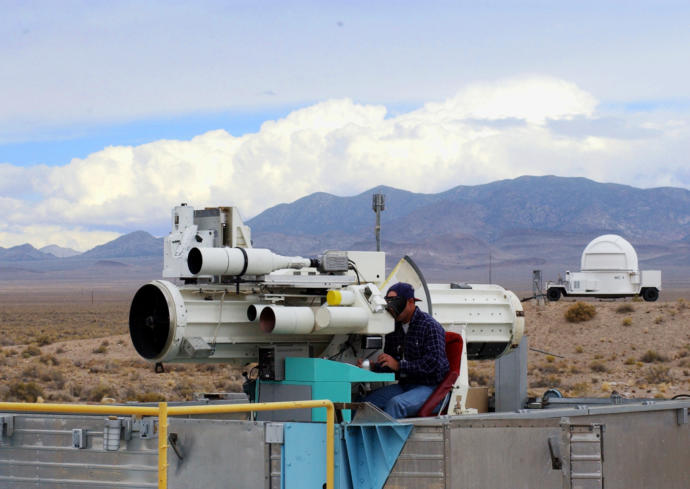
The Tracking Telescopes are used to record event data. These instruments utilize a 117 inch Newtonian lens to record data at a distance of 5 miles without distortion. Used in conjunction with high speed digital cameras, the units can determine event times to within 1/100 of a second. The instruments can be slaved to TTR's tracking radars for target acquisition and ranging information for camera focus.
The mount can also be outfitted with an NTSC or high speed video camera to document the event as well as provide real time video feed to the Control Point (CP) for situational awareness. Currently telescopes must be manned during operations; however, development is underway to allow mounts to operate in either a manned or unmanned configuration.
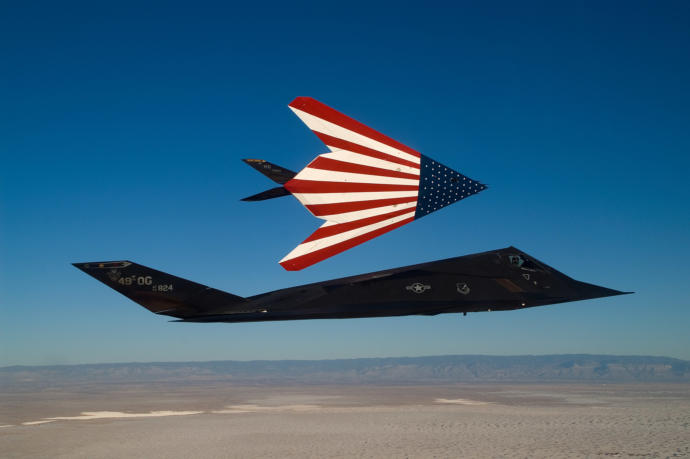
Lockheed F-117 Nighthawk
The F-117 Nighthawk lived and worked at Tonopah Test Range before being disclosed to the public in November of 1988, and its eventual migration to its “white world” (aka unclassified) base at Holloman AFB in 1992.
The F-117’s time at Tonopah was so hush-hush that many of those who were a part of program then still find the incredible secrecy around it intriguing.
One of the hardest parts of supporting the F-117 program during its classified days was the fact that the aircraft only flew at night. This was not just because of its unique mission profile but also for security reasons.
As the Cold War ended the F-117 came out of the black and into the light, with elements of the program slowly being declassified and the whole F-117 operation eventually move from Tonopah Test Range Airport to Holloman AFB in New Mexico.
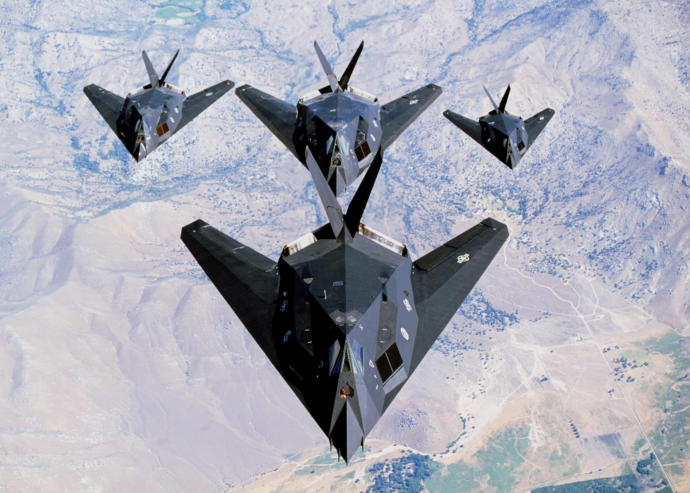
Avionics Engineer stated this with an official interview.....
“When we were briefed on the program, we were collected in a secure room at Nellis, signed a lot of paperwork and shown a film of the asset flying and on the ground. The official briefing us had us repeat the word ‘STEALTH’ three times and then told us to never say it again. When you sign a paper stating that you can be put to death for revealing government secrets, you tend to follow instructions.
“He did say humorously that if we ever had the need to say it, to kick the family out of the house, lock ourselves in a closet, put our hand over our mouth and whisper it three times,”











What Girls & Guys Said
Opinion
0Opinion
Share the first opinion in your gender
and earn 1 more Xper point!