 Girl's Behavior
  Guy's Behavior
  Flirting
  Dating
  Relationships
  Fashion & Beauty
  Health & Fitness
  Marriage & Weddings
  Shopping & Gifts
  Technology & Internet
  Break Up & Divorce
  Education & Career
  Entertainment & Arts
  Family & Friends
  Food & Beverage
  Hobbies & Leisure
  Other
Other  Religion & Spirituality
  Society & Politics
  Sports
  Travel
  Trending & News

Lt. Colonel Melvin Russell speaks at an Atlanta TEDTalk about his life as a police officer in the Eastern District of Baltimore. He worked his way from drug sergeant to district commissioner in 18 years. He is now the district commander of what is known as the worst district in Baltimore. The Eastern District is the most violent and impoverished district, 46 percent unemployment, and AIDS and tuberculosis rating are always top ten in zip codes across the nation in that one little neighborhood (TEDTalk, 2016).
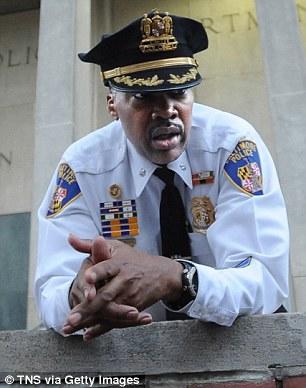
Russell says his work as an officer is not just a job, it’s a calling. He noticed that the department had to change. He noticed that the police came up ideas on how to serve to community but never asked the communities opinion on these decisions. So, he took action. He talked to communities, and asked what would work in their community. Russell then had to find a way to take the 130 cops under his tutelage, and take them from “from being occupiers of communities to being partners (TEDTalk, 2016).”
Police have become great protectors. But the police are here to serve and protect. Unfortunately police have invested so much time into protecting, that they are barely serving. Police have forgotten to look at the community as their community, their family, their friends.

As a community we rely heavily on the police. We no longer solve our own disputes, but rather call in the enforcer. If the next-door neighbor’s noise level is too loud, do we go talk to neighbor? No, we call the police. So why do we become outraged when the police act. We have trained the police to become our babysitter, making sure we are protected. But then if an officer kills someone in the line of action, it becomes plastered on the media. If that neighbor, didn’t like that the police were called and became violent, then the public outrage would sound. And if that neighbor was black, the officer would likely be labeled as racist.
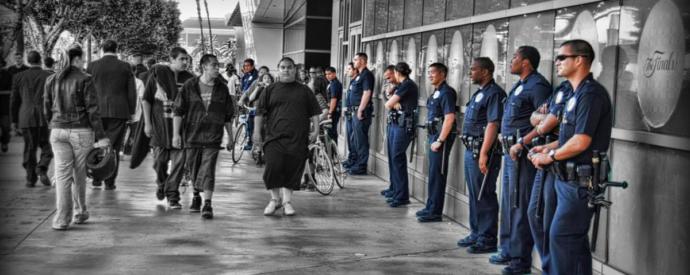
“Community and policing: we've all lost that precious gift, and I call it relational equity. We've lost it with one another. It's not somebody else's fault -- it's all of our fault (TEDTalk, 2016).” The responsibility falls on all of us. It’s not to late to rebuild out nation. We can make American great again. It’s never too late.
Back to Russell’s rebuilding of the Baltimore police. Russell worked to come up with incentives to rebuild trust between police and community. They began working with youth, gang, and those from the wrong side of the tracks. They knew the community needed healthcare, so they found partners, and teamed up to deliver. They battled unemployment with creating jobs. They focused on the needs of the community, not the crimes. “Because at the end of the day, if we took care of the needs of the people, if we got to the root cause, the crime would take care of itself. It would take care of itself (TEDTalk, 2016).” They did this for four years. Looking back at the records they found that the crime rates, homicide rates, everything, was at the lowest in the last 40 years. It had all dropping back to the rates of 1970, but record keeping had only just started in 1970, so it could go back further. For the first time in 30 years, Baltimore city had dropped to under 200 homicides. They had learned to become servers, servers first, and good servers.
Even though the last few years have seen an up rise in riots and violent crime, there is still hope. If we allow police to continue in serving and protecting. We need to support the police, and the police need to stay involved in community. Police need to remember to serve the community and treat everyone like human beings. If we follow the example of Russel and his Baltimore department, we will see results. This nation will become great again. We all have the same goal: peace. If we work together in the goal we will reach it. We all want to respect and love others, and believe we are on the route to this.
“TEDTalks: Melvin Russell: I Love Being a Police Officer, but We Need Reform.”
Films Media Group, 2016, fod.infobase.com/PortalPlaylists.aspx?wID=78910&xtid=133353. Accessed 14 Dec. 2017.






















Most Helpful Opinions