 Girl's Behavior
  Guy's Behavior
  Flirting
  Dating
  Relationships
  Fashion & Beauty
  Health & Fitness
  Marriage & Weddings
  Shopping & Gifts
  Technology & Internet
  Break Up & Divorce
  Education & Career
  Entertainment & Arts
  Family & Friends
  Food & Beverage
  Hobbies & Leisure
  Other
Other  Religion & Spirituality
  Society & Politics
  Sports
  Travel
  Trending & News

When we are sad or stressed, our skin seems to be less lustrous, rougher, dehydrated and with less colour than usual. However, if we feel good, our complexion seems to be in perfect harmony. This is evidence of the revealing relationship that exists between skin and emotions.
Momentary skin disorders
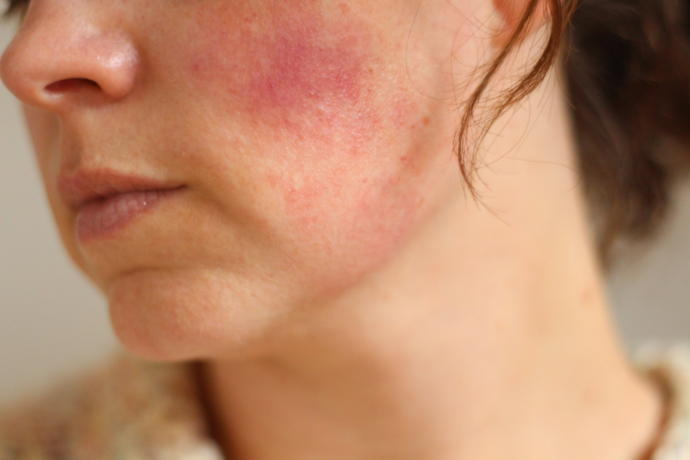
When we are shy our cheeks turn red. When we are afraid, a pale tone invades us. When we are in love, our face lights up.
Emotions in the area of altered skin
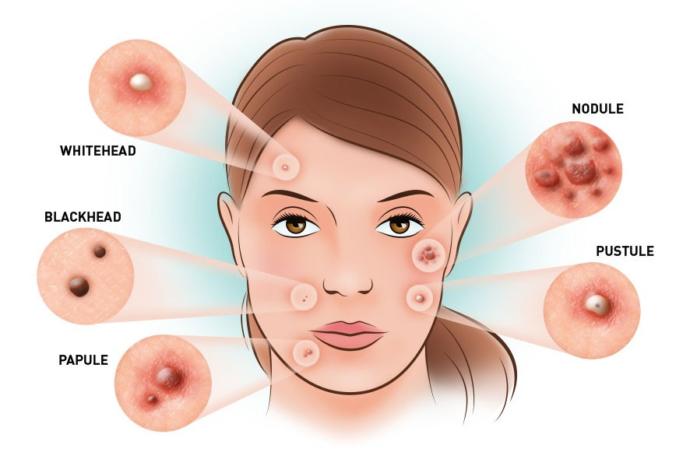
The area in which these changes occur shows the impact and intensity of emotion in that part of the body.
- If we see small pimples or pimples on the face, we may be feeling fear.
- On the head can be a sign that we need to change our thinking or we have emotional wounds.
- Herpes on the lips is usually a sign of restlessness and nervousness.
- Going out in the genitals means that we are facing a feeling of guilt or chastity.
Depending on the layer of the skin
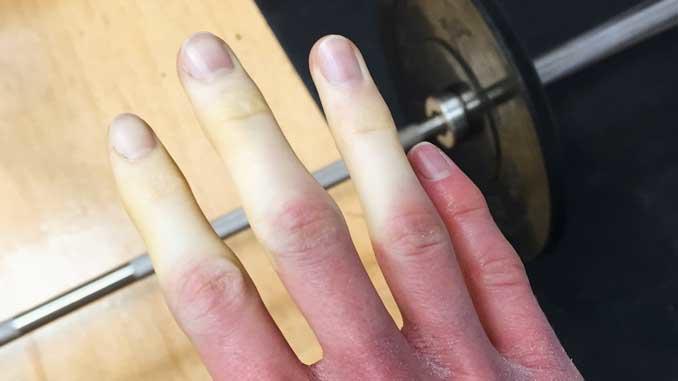
The skin is composed of three layers: the epidermis is the most superficial, the dermis the intermediate and the hypodermis, the deepest.
- The eczemas in this layer are a sign of fear or dread of being alone and isolated.
- Scleroderma may reflect a dramatic separation.
- Warts in the lower extremities are associated with childhood.
- Skin problems in the hypodermis indicate an aesthetic devaluation of oneself.
Emotional diseases
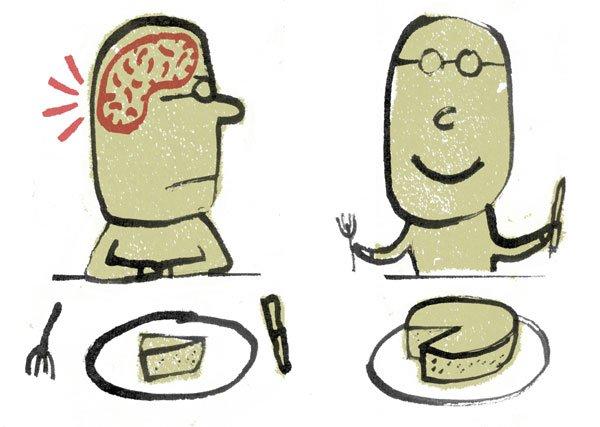
Emotions like harbouring, hatred, envy or anger for a long time has a serious impact on our physical health.
- Atopic dermatitis is related to the presence of anxiety and phobias.
- Urticaria is associated with the fantasy of being attacked.















Most Helpful Opinions