 Girl's Behavior
  Guy's Behavior
  Flirting
  Dating
  Relationships
  Fashion & Beauty
  Health & Fitness
  Marriage & Weddings
  Shopping & Gifts
  Technology & Internet
  Break Up & Divorce
  Education & Career
  Entertainment & Arts
  Family & Friends
  Food & Beverage
  Hobbies & Leisure
  Other
Other  Religion & Spirituality
  Society & Politics
  Sports
  Travel
  Trending & News

1.) Joan of Arc
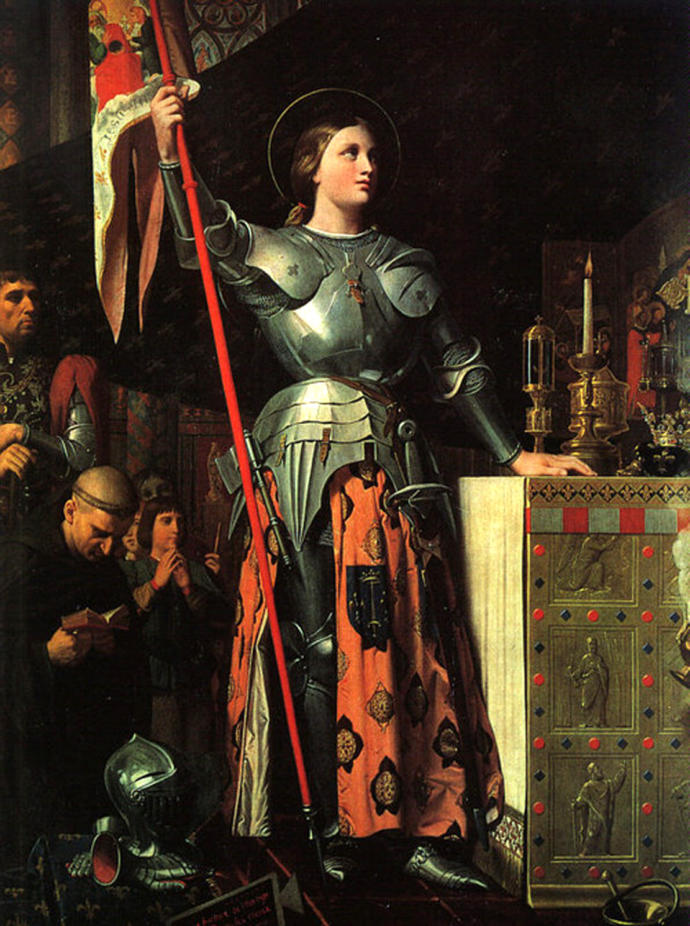
The Fiery Joana, the Maid of Orleans. The 17 year old teenage girl that forever changed the destiny of France, playing a vital role at recovering French sovereignty from British dominion. Her tactics are still used by french military. To the English, the ability of this peasant girl to defeat their armies was regarded as proof that "she was possessed by the Devil";
A clear showcase of her inherent genius and gentle soul is the following event from her trial. A trial which by the way was a trial for "heresy", and was of course politically motivated. The tribunal was composed entirely of pro-English and Burgundian clerics, and overseen by English commanders including the Duke of Bedford and the Earl of Warwick.
The trial record contains statements from Joan that the eyewitnesses later said astonished the court, since she was an illiterate peasant and yet was able to evade the theological pitfalls the tribunal had set up to entrap her. The transcript's most famous exchange is an exercise in subtlety: "Asked if she knew she was in God's grace, she answered, 'If I am not, may God put me there; and if I am, may God so keep me.'" [ The question is a scholarly trap. Church doctrine held that no one could be certain of being in God's grace. If she had answered yes, then she would have been charged with heresy. If she had answered no, then she would have confessed her own guilt]. The court notary Boisguillaume later testified that at the moment the court heard her reply, "Those who were interrogating her were stupefied."
Having outsmarted and outgraced the Court of much older scholars, the little peasant girl from Domrémy, had to be accused for something to justify her execution. And they came up with the ridiculous accusation of crossdressing(!) cause she was wearing male armor during war campaigns and had to cut her hair short to not get in her way! This accusation along with other half baked excuses guaranteed her sentence.
Execution.
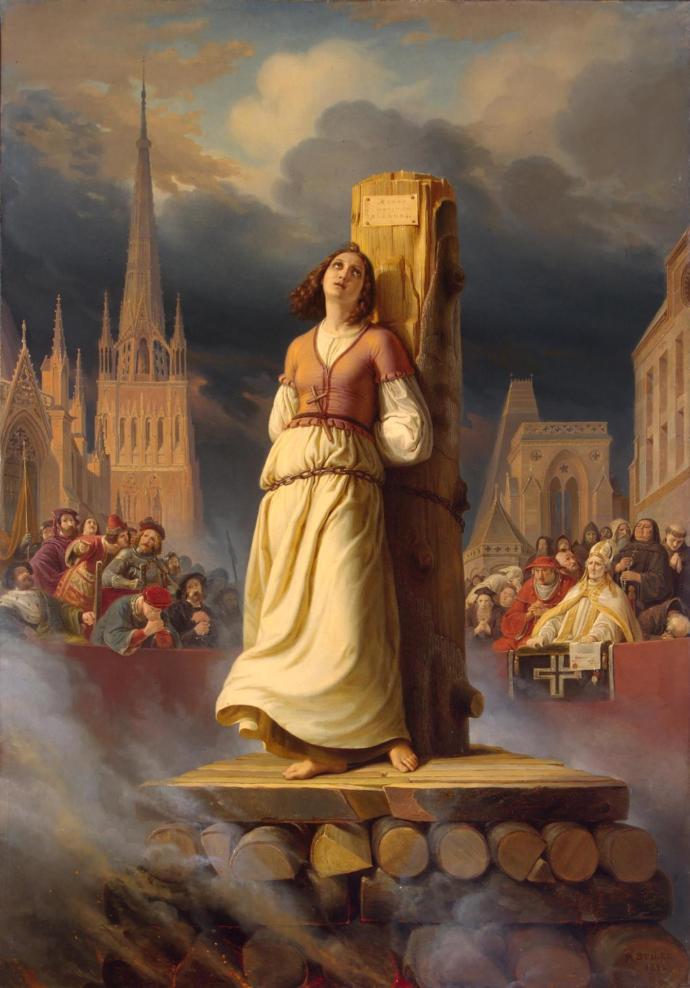
Eyewitnesses described the scene of the execution by burning on 30 May 1431. Tied to a tall pillar at the Vieux-Marché in Rouen, she asked two of the clergy, Fr Martin Ladvenu and Fr Isambart de la Pierre, to hold a crucifix before her. An English soldier also constructed a small cross that she put in the front of her dress. After she died, the English raked back the coals to expose her charred body so that no one could claim she had escaped alive. They then burned the body twice more, to reduce it to ashes and prevent any collection of relics, and cast her remains into the Seine River. The executioner, Geoffroy Thérage, later stated that he "greatly feared to be damned."
2.) Penthesilea
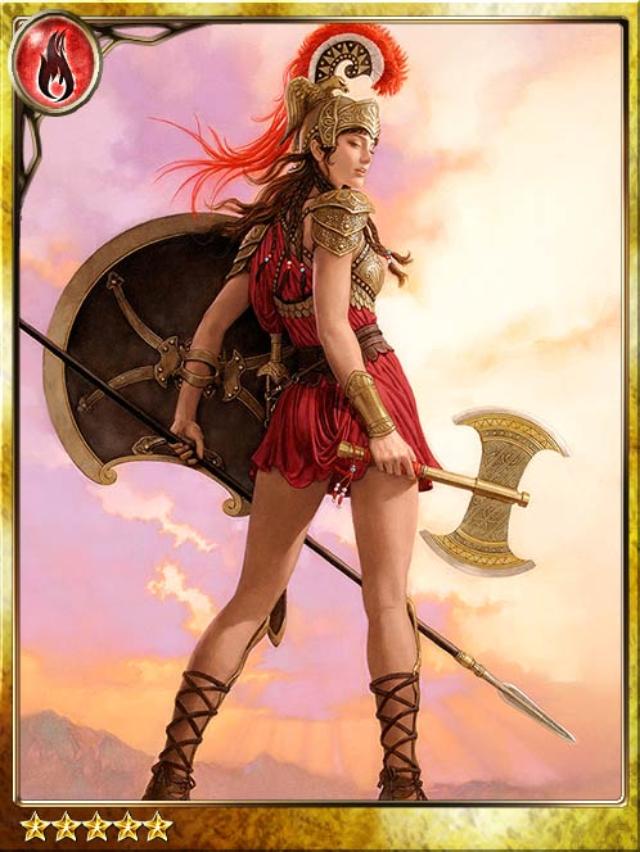
A Queen of the legendary Amazons race of female warriors. According to Diodorus Siculus she was the last of her kind still celebrated for her fierce bravery and fighting skill, cause with each generation the Amazons degenerated, which resulted after a point when men heard old stories about them, to consider them mere fables.
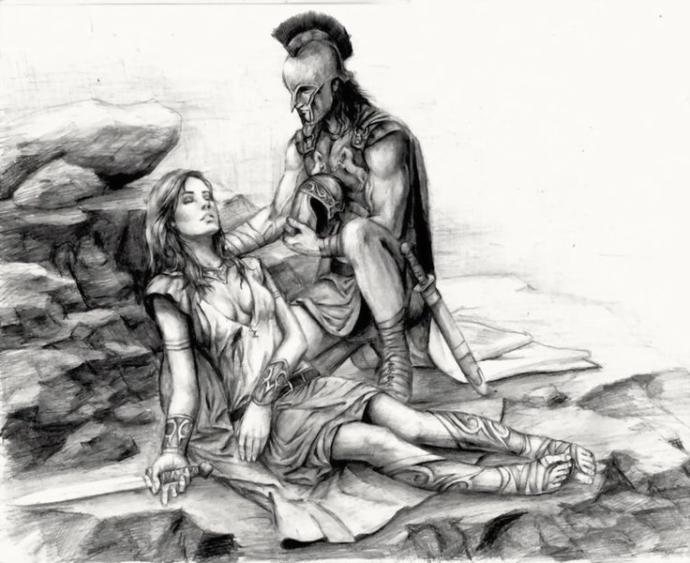
Hers was a quite tragic story. Lived during the Trojan war and while she didn't want the Amazons to intervene in the struggle, the sudden accidental loss of her sister though affected her deeply. This grief, compounded with her desire to be a strong warrior who would die an honorable death on the battlefield, led her to Troy, where after killing many warriors, she was killed by noone less but the fiercest of all men, the demigod Achilles. Even Achilles himself sunk in sorrow and regret for killing such a noble warrioress. They say he was in love with her so when Thersites, a comrade of his mocked him for his treatment of Penthesilea’s body after her death, Achilles turned his sword and slaughtered him out of anger and grief.
3.) Emilia Platter
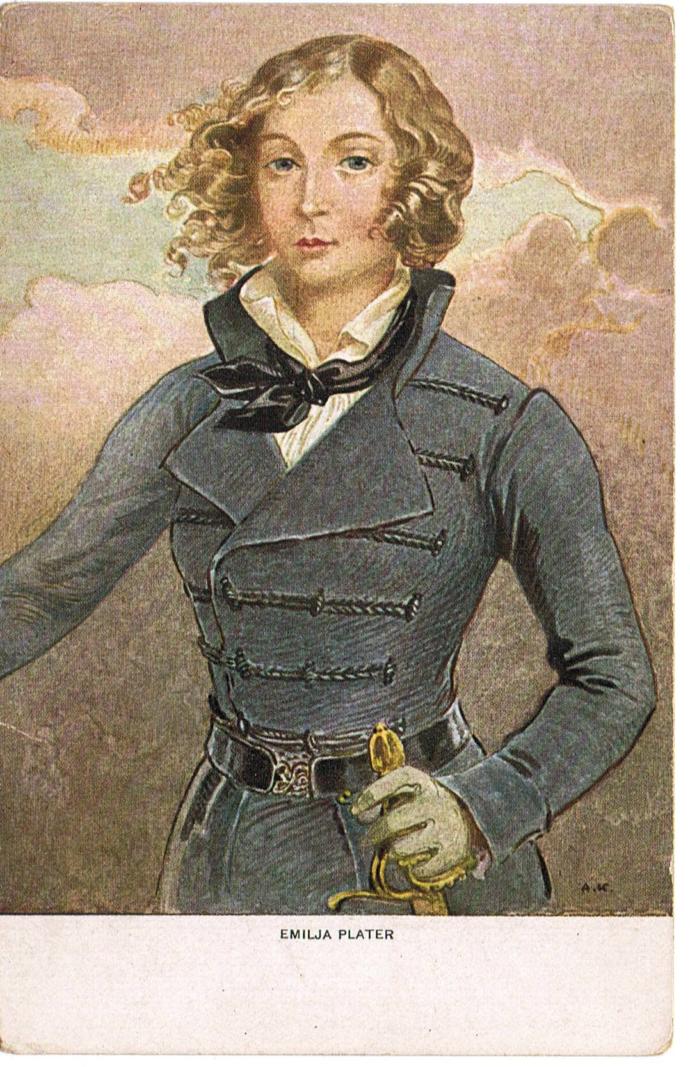
Polland's female warlord. After being raised on the legends of other famous women warriors (including that of Laskarina Bouboulina the brave heroine of the greek revolution epos against the ottoman tyrrany), she gave up a life of aristocratic luxury and raised her own regiment of 350 partisans to fight against Russia. After leading her small army at the battles of Prastavoniai and Mejszagoła, the young leader was awarded a captaincy in the Polish–Lithuanian 25th Infantry Regiment. Plater commanded a company of troops in the unit for most of 1831 until she fell ill in December in the field. She succumbed to a fever two days before Christmas.
4.) Tomoe Gozen
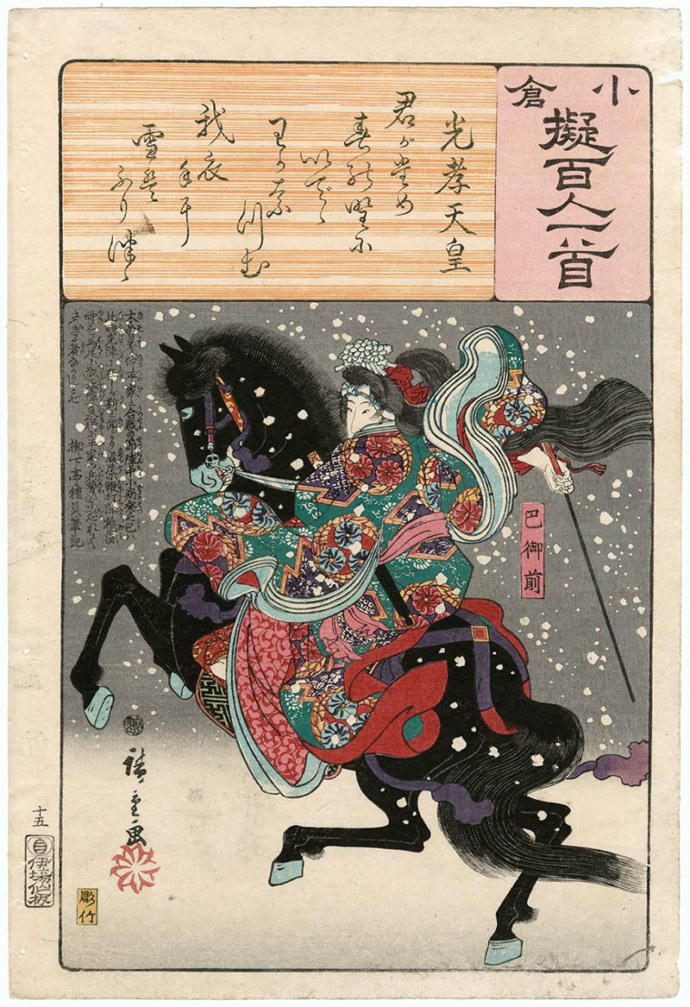
A female samurai living in the 1100s. Gozen was purportedly a title of respect given by her master, shogun Minamoto no Yoshinaka. Despite the fact that women in the 12th century didn’t typically receive martial arts training, Tomoe was skilled with a bow and arrow, sword, and horseback riding. Tomoe is described as “a remarkably strong archer, and as a swordswoman she was a warrior worth a thousand, ready to confront a demon or a god, mounted or on foot.” Her skill earned her the privilege of leading men into battle in an era when women couldn't even fathom joining the male samurai ranks.
5.) Telesilla
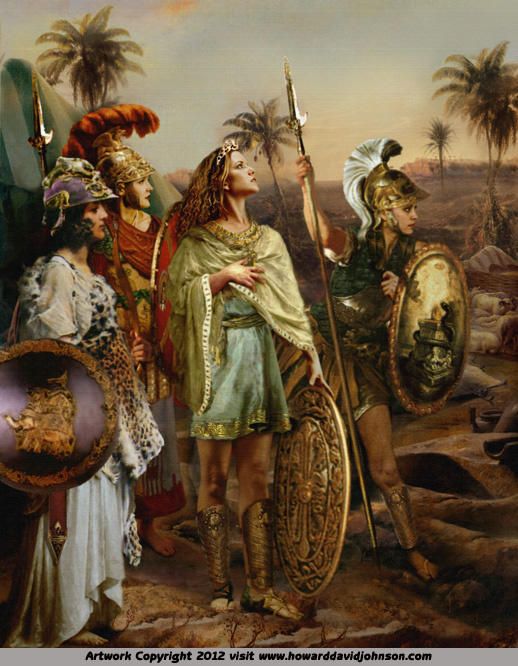
The female poet warrior from Argos that managed to beat the most fearsome war machine of the ancient world, the Spartan phalanx. She utilised even women and children and managed to demoralise the mighty Spartans knowing their psychology and stance of not fighting against anything else than adult men.
At around 493 BC, King Cleomenes I of Sparta came to invade the city of Argos. After luring the male warriors of the city out to a pine grove, he slaughtered them, leaving the city populated only by women, slaves, the very young, and the very old. Cleomenes marched on the city, and Telesilla took action. She gathered ornamental shields and swords from temples in the city, raided the city armory for whatever equipment was left over, and provided the women of the city with arms.
According to Plutarch in his On the Bravery of Women, “With Telesilla as general, [the women] took up arms and made their defense by manning the walls around the city, and the enemy was amazed.”
King Cleomenes saw that he was facing a tricky situation. He could fight against the women and defeat them, which would bring him dishonor in slaughtering women. Or, if they defeated him, Sparta would have been bested by a group of untrained women, also leading to dishonor.
In memory of Telesilla’s achievement, her statue was built in the temple of Aphrodite at Argos.
6.) Zenobia of Palmyra
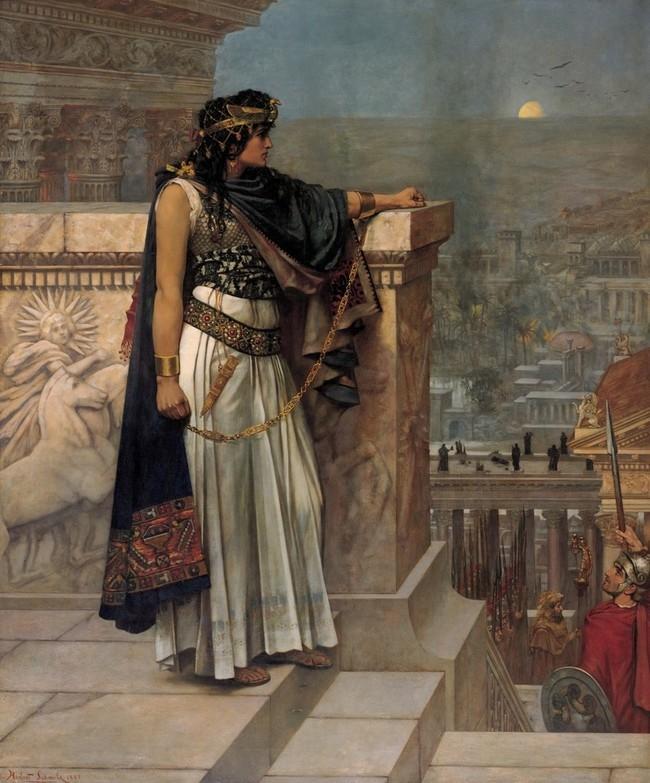
Perhaps no legendary female warrior on our list has as many notches in her belt from military victories as Zenobia, the third-century warrior queen of Palmyra (in modern-day Syria). Zenobia only became queen because of the assassination of her husband, who was heir to the throne. Judging from her accomplishments, though, she wasted no time taking to the role, winning enormously important battles against Egypt, Persia, Palestine, and even Rome. She even had the guts to declare independence from Rome.
































Most Helpful Opinions